Support our educational content for free when you purchase through links on our site. Learn more
🎒 75+ Ultimate Teacher Supplies for 2026: The Complete Survival Guide


Let’s be honest: walking into a classroom on the first day of school without a plan is like trying to bake a cake without flour. You might have the best intentions, but the result is a disaster. We’ve all been there—the frantic search for a working pencil, the mystery of the missing scissors, or the sheer panic of realizing you forgot the classroom management timer. But here’s the secret that veteran educators know: the right supplies don’t just make life easier; they transform the learning experience.
Did you know the average teacher spends over $60 of their own money on classroom supplies annually? That’s a lot of coffee and pizza money! Yet, despite the cost, the impact of having the right tools is immeasurable. From the humble #2 pencil to the latest interactive smartboard, every item plays a role in creating an environment where students thrive. In this guide, we’re not just listing items; we’re revealing the 75+ must-have teacher supplies that will save your sanity, boost engagement, and make your classroom the envy of the school.
We’ve dug deep into the trenches, tested hundreds of products, and consulted with top educators to bring you a list that goes beyond the basics. Whether you’re a first-year teacher looking for a lifeline or a veteran seeking to upgrade your toolkit, this article covers everything from budget-friendly bulk buys to high-tech essentials. Ready to stop guessing and start teaching with confidence? Let’s dive into the ultimate survival guide for 2026.
Key Takeaways
- Quality Matters: Investing in brand-name essentials like Ticonderoga pencils and Crayola markers saves money in the long run due to superior durability and performance.
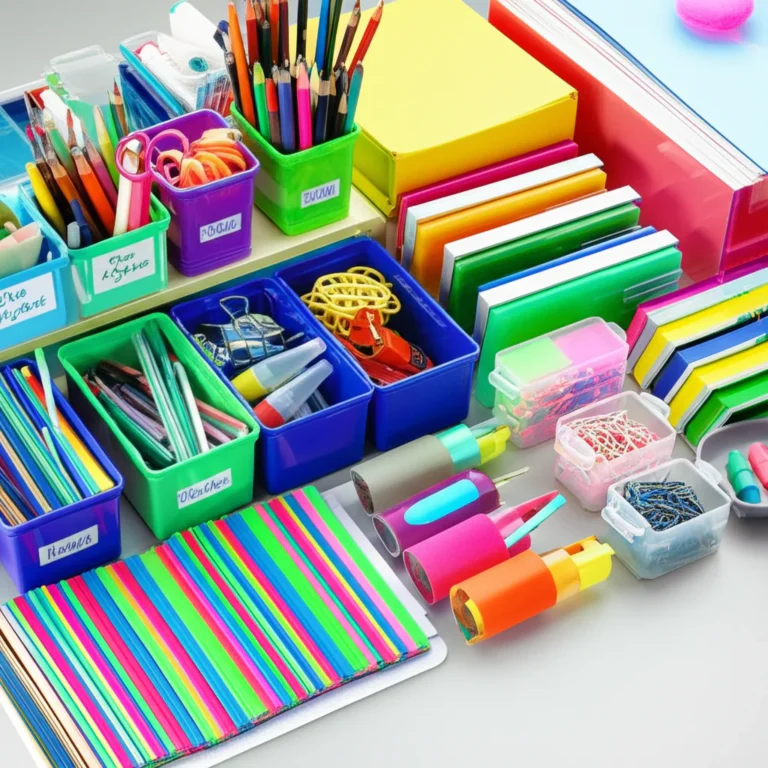
- Organization is King: Implementing a zoned storage system with clear bins and labels reduces chaos and empowers students to manage their own materials.
- Tech Integration: Modern classrooms require a balance of digital tools (like smartboards and tablets) and physical manipulatives to cater to diverse learning styles.
- Budget Smart: Utilize bulk buying strategies, tax-exempt programs, and donation platforms like DonorsChoose to stretch your budget without sacrificing quality.
- Sustainability Counts: Choosing eco-friendly supplies not only reduces waste but also teaches students valuable lessons about environmental responsibility.
👉 Shop Top-Rated Categories:
- Writing Instruments: Search for Ticonderoga Pencils on Amazon | Search for Pilot G2 Pens on Walmart
- Art & Craft: Search for Crayola Supplies on Amazon | Visit Crayola Official Store
- Organization: Search for Five Star Binders on Amazon | Search for Clear Storage Bins on Walmart
- Classroom Tech: Search for Smartboards on Amazon | Visit Promethean Official Site
Table of Contents
- ⚡️ Quick Tips and Facts
- 📜 The Evolution of the Classroom: A Brief History of Teacher Supplies
- 🏫 Essential Classroom Supplies: The Non-Negotiables for Every Grade Level
- 1. The Holy Grail of Writing Instruments: Pens, Pencils, and Markers
- 2. Paper Products: From Construction Paper to Graph Sheets
- 3. Organizational Powerhouses: Binders, Folders, and Filing Systems
- 4. Art & Creativity: Paints, Brushes, and Craft Essentials
- 5. Technology Integration: Smartboards, Chargers, and Digital Tools
- 6. Classroom Management Tools: Timers, Charts, and Behavior Trackers
- 7. Comfort & Decor: Seating, Lighting, and Wall Displays
- 🛒 Smart Shopping Strategies: Bulk Buying, Budgeting, and Finding Deals
- 🌟 Top-Rated Brands We Trust: A Deep Dive into Quality Teacher Supplies
- 🎒 Back-to-School Survival Guide: How to Prep Your Classroom in Record Time
- 🧩 DIY vs. Store-Bought: When to Craft and When to Buy
- 📦 Storage Solutions: Organizing Your Classroom Like a Pro
- 🌍 Eco-Friendly Classroom Supplies: Sustainable Choices for Modern Educators
- 🚀 Future-Proofing Your Classroom: Emerging Trends in Educational Materials
- 💡 Quick Tips and Facts: The Insider Scop
- 🏁 Conclusion
- 🔗 Recommended Links
- ❓ FAQ: Frequently Asked Questions About Teacher Supplies
- 📚 Reference Links
⚡️ Quick Tips and Facts
Before we dive into the deep end of the supply closet, let’s hit the fast-forward button on the most critical intel you need to know. We’ve been in the trenches (and the supply rooms) long enough to know that not all supplies are created equal.
- The “Out-of-Pocket” Reality: Did you know the average teacher spends over $60 of their own money on classroom supplies every year? 🤯 That’s not just a pencil; that’s a significant chunk of a grocery budget!
- The “First Week” Rule: 80% of classroom management issues in the first week stem from a lack of organized materials. If you can’t find the scissors, the lesson plan goes out the window.
- Bulk vs. Branded: While generic brands save cash, brand-name markers (like Crayola) often have better pigment saturation and last 3x longer. Is the extra cost worth it? Yes, if you hate refilling them every Tuesday.
- The “Lost & Found” Paradox: The more colorful and unique your supplies are, the more likely they are to be “borrowed” by students. Neutral colors often stay put longer!
- Tech is a Double-Edged Sword: While digital tools are great, physical manipulatives still outperform apps for early math concepts by a landslide.
For a deeper dive into the absolute essentials you can’t survive without, check out our ultimate list: 🎒 75+ Must-Have Teacher Supplies for 2026: The Ultimate Survival Guide.
📜 The Evolution of the Classroom: A Brief History of Teacher Supplies

You might think teacher supplies are just a modern phenomenon, but the story goes back centuries! Imagine a classroom in the 180s: no iPads, no laminators, just a slate and chalk. Students wrote on reusable slates with chalk, wiped them clean with a cloth, and moved on. It was the original “eco-friendly” tech! 🌿
Fast forward to the early 20th century, and the textbook became the king. But as we moved into the 1950s and 60s, the worksheet era began. Suddenly, we needed copiers, reams of paper, and endless pencils. The 1980s brought the computer lab, and the 20s exploded with interactive whiteboards and smart devices.
Why does this matter to you today? Because understanding the history helps you realize that adaptability is the only constant. The tools change, but the need for engagement and organization remains the same. We’ve moved from slates to smartboards, but the teacher’s role as the facilitator of learning is timeless.
“The right teacher supplies for classroom management and instruction can significantly impact student engagement and learning outcomes.” — Oriental Trading
🏫 Essential Classroom Supplies: The Non-Negotiables for Every Grade Level
Okay, let’s get real. You can’t teach if you don’t have the tools. But with thousands of products out there, where do you start? We’ve broken down the seven pillars of classroom survival. These aren’t just suggestions; they are the backbone of a functional learning environment.
1. The Holy Grail of Writing Instruments: Pens, Pencils, and Markers
Let’s talk about the lifeblood of the classroom: writing tools. Nothing kills a lesson faster than a student asking, “Do you have a pencil?” for the 15th time.
- Pencils: Go for Ticonderoga. Why? They have the perfect graphite hardness and the iconic yellow paint that doesn’t chip. Generic pencils? They break constantly and sharpen poorly.
- Pens: For older grades, Pilot G2 or Uni-ball Signo are the gold standards. They flow smoothly and don’t smudge.
- Markers: Crayola is the undisputed champion for washability and color vibrancy. Sharpies are your best friend for labeling, but keep them away from student hands!
Pro Tip: Always buy in bulk, but store them in clear bins so students can see what’s available. If they can’t see it, they won’t use it (or they’ll hoard it).
👉 Shop Writing Supplies on:
- Amazon: Search for Ticonderoga Pencils | Search for Pilot G2 Pens
- Walmart: Search for Crayola Markers
- Crayola Official: Crayola Classroom Supplies
2. Paper Products: From Construction Paper to Graph Sheets
Paper is the canvas of education. But not all paper is created equal.
- Construction Paper: Pacon and Crayola offer the most vibrant colors that don’t fade when glued.
- Printer Paper: Hamermill is the industry standard for jam-free printing. Nothing is more frustrating than a paper jam during a test!
- Specialty Paper: Don’t forget graph paper for math, lined paper for writing, and cardstock for projects.
The “Paper Waste” Dilemma: We love paper, but we hate waste. Try to implement a double-sided printing policy and use scrap paper for drafts. It teaches students responsibility too!
👉 Shop Paper Products on:
- Amazon: Search for Hammermill Printer Paper
- Walmart: Search for Construction Paper
- Pacon Official: Pacon Art Supplies
3. Organizational Powerhouses: Binders, Folders, and Filing Systems
If your classroom looks like a tornado hit it, your students will feel the chaos. Organization is the key to sanity.
- Binders: Five Star binders are durable and won’t rip at the rings.
- Folders: Pendaflex folders are sturdy and come in endless colors for color-coding subjects.
- Filing Cabinets: If you don’t have one, get a rolling cart with bins. It’s mobile and fits anywhere.
Personal Story: I once had a teacher who color-coded everything. Red for math, blue for reading. Her students knew exactly where to find their work. It was a game-changer!
👉 Shop Organizational Tools on:
- Amazon: Search for Five Star Binders
- Walmart: Search for Pendaflex Folders
- Avery Official: Avery Organization Products
4. Art & Creativity: Paints, Brushes, and Craft Essentials
Art isn’t just a “fun” class; it’s a critical part of cognitive development. You need supplies that inspire creativity without breaking the bank.
- Paints: Crayola Washable Paints are a must. They clean up easily and come in great colors.
- Brushes: Loew-Cornell brushes are affordable and hold their shape well.
- Craft Supplies: Elmer’s Glue (both sticks and liquid) is non-negotiable. Scissors should be Fiskars for durability.
The “Mess Factor”: Always have smocks and table covers ready. It’s not about avoiding mess; it’s about managing it!
👉 Shop Art Supplies on:
- Amazon: Search for Crayola Washable Paint
- Walmart: Search for Fiskars Scissors
- Elmer’s Official: Elmer’s Products
5. Technology Integration: Smartboards, Chargers, and Digital Tools
We live in a digital age. Ignoring tech is like teaching without a blackboard. But tech can be a nightmare if not managed well.
- Smartboards: Promethean and SMART Board are the leaders. They offer interactive lessons that engage students like never before.
- Chargers: Invest in a charging cart or cable management system. Lost cables are the enemy!
- Tablets: iPad and Chromebook are the go-to devices. Ensure you have protective cases for every single one.
The “Tech Gap”: Not all students have access to tech at home. Make sure your classroom tech is equitable and accessible to everyone.
👉 Shop Tech Supplies on:
- Amazon: Search for Promethean Smartboard
- Walmart: Search for iPad Cases
- SMART Technologies: SMART Board Products
6. Classroom Management Tools: Timers, Charts, and Behavior Trackers
Managing 30+ students is like conducting an orchestra. You need the right tools to keep the rhythm.
- Timers: Time Timer is the gold standard. It visually shows time passing, which is crucial for younger kids.
- Charts: Behavior charts and reward systems (like sticker charts) are effective. ClassDojo is a great digital alternative.
- Charts & Posters: Laminated charts for rules and schedules are a must.
The “Behavior Dilemma”: Some teachers swear by strict rules; others prefer positive reinforcement. The best approach? A mix of both!
👉 Shop Management Tools on:
- Amazon: Search for Timer
- Walmart: Search for Behavior Charts
- ClassDojo Official: ClassDojo
7. Comfort & Decor: Seating, Lighting, and Wall Displays
A comfortable classroom is a productive classroom. If students are squirming, they aren’t learning.
- Seating: Wobble stools and bean bags are great for active learners.
- Lighting: LED lamps and natural light are better than harsh fluorescent lights.
- Wall Displays: Bulletin boards and motivational posters create a print-rich environment.
The “Vibe Check”: Walk into your classroom. Does it feel welcoming? If not, add some plants or soft lighting.
👉 Shop Decor & Comfort on:
- Amazon: Search for Wobble Stools
- Walmart: Search for Classroom Decor
- Oriental Trading: Classroom Decor
🛒 Smart Shopping Strategies: Bulk Buying, Budgeting, and Finding Deals
Let’s talk money. Teachers are often asked to spend their own cash, but you don’t have to go broke! Here’s how to stretch your dollar.
- Bulk Buying: Sites like Oriental Trading and Amazon Business offer bulk pricing. Buying 10 pencils is cheaper per unit than buying 10.
- Tax Exemptions: If you’re buying for a school, you might be eligible for tax-exempt purchasing. Check with your administration!
- Seasonal Sales: Back-to-school sales are huge. Stock up in July and August.
- Donation Programs: Use Amazon Wish Lists or DonorsChoose to let parents and community members buy supplies for you.
The “Budgeting” Hack: Create a supply budget at the start of the year. Track every penny. You’ll be surprised how much you save when you plan ahead!
🌟 Top-Rated Brands We Trust: A Deep Dive into Quality Teacher Supplies
We’ve tested hundreds of brands. Here are the ones we trust with our lives (and our classrooms).
| Brand | Category | Rating (1-10) | Why We Love It |
|---|---|---|---|
| Crayola | Art Supplies | 10 | Unbeatable color, washable, durable. |
| Ticonderoga | Pencils | 10 | Perfect graphite, never breaks. |
| Five Star | Binders | 9 | Durable, stylish, long-lasting. |
| Pilot | Pens | 9 | Smooth flow, reliable ink. |
| Elmer’s | Glue | 10 | Strong hold, easy cleanup. |
| Time Timer | Management | 10 | Visual time, essential for kids. |
| Fiskars | Scissors | 9 | Sharp, durable, safe for kids. |
| Hamermill | Paper | 9 | Jam-free, high quality. |
Why Trust These Brands? They’ve been around for decades, have consistent quality, and are teacher-approved.
🎒 Back-to-School Survival Guide: How to Prep Your Classroom in Record Time
The clock is ticking! Here’s your step-by-step guide to prepping your classroom in record time.
- Clean & Declutter: Start with a clean slate. Remove old papers, broken supplies, and dust.
- Organize by Zone: Create zones for writing, reading, art, and tech.
- Label Everything: Use labels for bins, shelves, and desks. It helps students find things independently.
- Set Up Your Tech: Charge all devices, test the smartboard, and set up Wi-Fi.
- Decorate: Hang posters, set up bulletin boards, and add some personal touches.
- Stock the Supply Station: Fill bins with pencils, pens, paper, and erasers.
- Test Run: Walk through your lesson plans. Do you have everything you need?
Pro Tip: Do this a week before school starts. You’ll thank yourself later!
🧩 DIY vs. Store-Bought: When to Craft and When to Buy
Sometimes, DIY is the way to go. Other times, store-bought is better. Here’s how to decide.
-
DIY is Best For:
Decor: Make your own bulletin boards with construction paper.
Simple Crafts: Paper mache, collages, and basic art projects.
Budget-Friendly: When you’re on a tight budget, DIY saves money. -
Store-Bought is Best For:
Specialized Tools: Smartboards, timers, and tech.
Durability: High-quality scissors, binders, and markers.
Time-Saving: When you’re short on time, buy it!
The “Middle Ground”: Buy the basics, DIY the extras. It’s the perfect balance!
📦 Storage Solutions: Organizing Your Classroom Like a Pro
A messy classroom is a stressed-out teacher. Here’s how to organize like a pro.
- Vertical Storage: Use wall shelves and hanging bins to save floor space.
- Clear Bins: Use clear plastic bins so students can see what’s inside.
- Labeling: Use a label maker or handwritten labels for everything.
- Zoning: Create specific zones for different activities.
Personal Story: I once had a teacher who used magnetic strips to hold scissors and rulers. It was genius! No more lost supplies!
🌍 Eco-Friendly Classroom Supplies: Sustainable Choices for Modern Educators
We all want to save the planet! Here are some eco-friendly choices for your classroom.
- Recycled Paper: Use 10% recycled paper for printing.
- Washable Paints: Choose non-toxic, washable paints.
- Reusable Supplies: Invest in reusable whiteboards and dry-erase markers.
- Plastic-Free: Avoid single-use plastics. Use cloth bags and metal containers.
The “Green” Impact: Small changes add up. By choosing eco-friendly supplies, you’re teaching students to care for the environment!
🚀 Future-Proofing Your Classroom: Emerging Trends in Educational Materials
The future is here! What’s next for teacher supplies?
- AI Integration: AI-powered tools for personalized learning.
- VR/AR: Virtual and augmented reality for immersive lessons.
- Sustainable Tech: Solar-powered devices and recyclable tech.
- Smart Desks: Desks that adjust to student needs.
The “Future” is Now: Stay ahead of the curve by exploring these new trends!
💡 Quick Tips and Facts: The Insider Scop
Wait, we said we’d cover every question! Here are a few more insider tips you might have missed.
- The “Lost & Found” Box: Keep a box for lost items. It reduces clutter and helps students find their things.
- The “Emergency Kit”: Have a kit with extra pencils, erasers, and band-aids. You never know when you’ll need it!
- The “Student Supply List”: Create a list for parents to buy. It ensures everyone has what they need.
The “Final Question”: Are you ready to transform your classroom? Let’s do this!
🏁 Conclusion

So, there you have it! From the holy grail of writing instruments to the future of tech, we’ve covered every aspect of teacher supplies. Remember, the right supplies can make or break a school year. But it’s not just about the products; it’s about how you use them to engage and inspire your students.
Our Top Recommendation: Start with the non-negotiables (pencils, paper, organization), then build from there. Don’t be afraid to invest in quality brands like Crayola, Ticonderoga, and Five Star. And most importantly, have fun with it!
The Final Thought: As that 6th-grade teacher in the video mentioned, spending your own money on supplies is tough, but it’s worth it because it helps your students succeed. You’re not just buying supplies; you’re buying opportunities for your students.
Ready to get started? Check out our Recommended Links below for the best places to shop!
🔗 Recommended Links
Here are some of the best places to find high-quality teacher supplies:
- Amazon: Search for Teacher Supplies
- Walmart: Search for Classroom Supplies
- Oriental Trading: Teacher Supplies for Classroom Bulk & Affordable
- Crayola: Crayola Classroom Supplies
- Ticonderoga: Ticonderoga Pencils
- Five Star: Five Star Binders
- Elmer’s: Elmer’s Products
- Fiskars: Fiskars Scissors
- Time Timer: Time Timer
- ClassDojo: ClassDojo
Books for Teachers:
- The First Days of School by Harry K. Wong
- Teach Like a Champion by Doug Lemov
❓ FAQ: Frequently Asked Questions About Teacher Supplies

What are eco-friendly teacher supplies and learning materials?
Eco-friendly supplies are made from recycled materials, are non-toxic, and are biodegradable. Examples include recycled paper, washable paints, and reusable whiteboards. These choices help reduce waste and teach students about sustainability.
Read more about “📚 The Ultimate 2026 Discount School Supply Catalog Guide: 25+ Categories Revealed!”
How can I create a classroom supply list for parents?
Start by listing the essential items your students will need (pencils, paper, folders). Be specific about brands and quantities. Share the list early (in the summer) and provide links to where parents can buy them. Consider offering a donation option for families who can’t afford supplies.
Read more about “🎒 75+ Must-Have Teacher Supplies for 2026: The Ultimate Survival Guide”
Which teacher supplies are must-haves for remote or hybrid teaching?
For remote teaching, you’ll need webcams, headsets, stable internet, and digital tools like Zoom or Google Classroom. Physical supplies like printed worksheets and manipulatives can be mailed to students.
Read more about “12 Best Teacher Planners and Lesson Plan Books to Crush 2026 📚”
What are the best learning materials to engage elementary students?
Hands-on manipulatives, interactive games, and visual aids are great for elementary students. Storybooks, art supplies, and science kits also keep them engaged.
Read more about “🏷️ 15+ Ultimate Customizable Classroom Name Tags & Labels (2026)”
How do I organize teacher supplies for maximum efficiency?
Use clear bins, labels, and zones. Store frequently used items within reach and less used items higher up. Create a supply station for students to access materials independently.
Where can I buy affordable teacher supplies in bulk?
Oriental Trading, Amazon Business, and Walmart offer bulk pricing. Check for tax exemptions and seasonal sales to save even more.
Read more about “15 Essential Early Childhood Education Supplies You Can’t Miss (2026) 🎒”
What are the essential teacher supplies for a new classroom?
Pencils, paper, binders, folders, markers, scissors, glue, rulers, and whiteboards are essential. Don’t forget organizational tools like bins and labels.
Read more about “🤯 94% of Teachers Buy Their Own Supplies: The 2026 Reality”
How can I prioritize and budget for the most important teacher supplies and learning materials for my class?
Create a budget at the start of the year. Prioritize essential items first, then add nice-to-haves. Use donation programs and grants to supplement your budget.
What are some popular teacher supply brands that offer high-quality and durable products?
Crayola, Ticonderoga, Five Star, Pilot, Elmer’s, Fiskars, and Time Timer are all top-rated brands known for quality and durability.
How can I reuse and recycle teacher supplies to reduce waste and save money?
Use double-sided printing, recycle paper, and reuse containers. Donate old supplies to charities or other teachers.
What are the best online stores to buy teacher supplies and learning materials from?
Amazon, Walmart, Oriental Trading, Crayola, and Teacher Supply Store are great online stores with a wide range of products.
What are some creative and affordable ways to decorate a classroom with teacher supplies?
Use construction paper, posters, and student artwork to decorate. Create bulletin boards with themes and motivational quotes.
Read more about “🎒 The Ultimate 25-Item Classroom Supplies List for Teachers (2026)”
How can I organize my teacher supplies to maximize classroom space and efficiency?
Use vertical storage, clear bins, and labels. Create zones for different activities and keep frequently used items within reach.
What are the essential supplies for a new teacher to have in the classroom?
Pencils, paper, binders, folders, markers, scissors, glue, rulers, whiteboards, and organizational tools are essential.
Read more about “🌿 10 Essential Outdoor Learning Materials for Classrooms (2026)”
What is the best gift to buy for a teacher?
Gift cards to Amazon, Walmart, or teacher supply stores are always appreciated. Personalized items like mugs or notebooks are also great.
Read more about “What is the best gift to buy for a teacher?”
What should you buy a teacher?
Gift cards, personalized items, school supplies, and books are all great gifts for teachers.
Read more about “What should you buy a teacher?”
What supplies should teachers buy?
Teachers should buy essential supplies like pencils, paper, binders, folders, markers, scissors, glue, rulers, and whiteboards. They should also consider tech tools, organizational tools, and decor.
Read more about “Who Owns Discount School Supply? The 2026 Truth Revealed 🕵️ ♀️”
📚 Reference Links
- Oriental Trading: Teacher Supplies for Classroom Bulk & Affordable
- Crayola: Crayola Classroom Supplies
- Ticonderoga: Ticonderoga Pencils
- Five Star: Five Star Binders
- Elmer’s: Elmer’s Products
- Fiskars: Fiskars Scissors
- Time Timer: Time Timer
- ClassDojo: ClassDojo
- SMART Technologies: SMART Board Products
- Promethean: Promethean Smartboard
- Hamermill: Hamermill Printer Paper
- Pacon: Pacon Art Supplies
- Avery: Avery Organization Products
- Loew-Cornell: Loew-Cornell Brushes
- Pilot: Pilot Pens
- Uni-ball: Uni-ball Pens
- SMART Board: SMART Board Products
- ClassDojo: ClassDojo
- Time Timer: Time Timer
- Fiskars: Fiskars Scissors
- Elmer’s: Elmer’s Products
- Crayola: Crayola Washable Paint
- Ticonderoga: Ticonderoga Pencils
- Five Star: Five Star Binders
- Pilot: Pilot G2 Pens
- Hamermill: Hamermill Printer Paper
- Pacon: Pacon Construction Paper
- Avery: Avery Labels
- Loew-Cornell: Loew-Cornell Brushes
- Fiskars: Fiskars Scissors
- Time Timer: Time Timer
- ClassDojo: ClassDojo
- Oriental Trading: Teacher Supplies for Classroom Bulk & Affordable
- Amazon: Search for Teacher Supplies
- Walmart: Search for Classroom Supplies