Support our educational content for free when you purchase through links on our site. Learn more
15 Essential Educational Learning Materials for Teachers in 2026 🎒


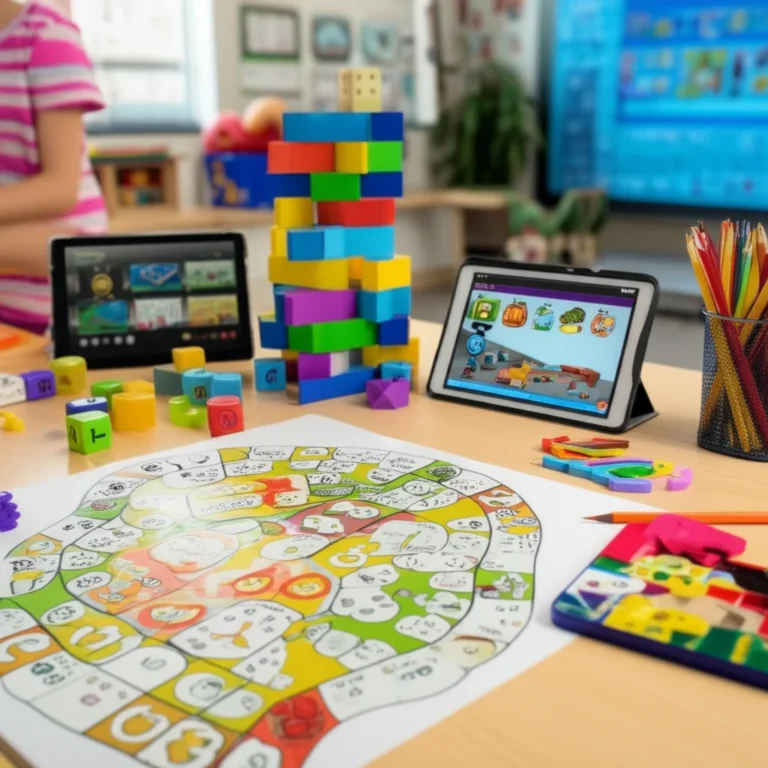
When it comes to transforming your classroom into a dynamic learning hub, the right educational learning materials for teachers make all the difference. From interactive tech like SMART Boards to hands-on manipulatives and engaging digital platforms, these tools don’t just support teaching—they supercharge student success.
Imagine a 5th-grade classroom where students eagerly compete in Kahoot! quizzes, collaborate over colorful math blocks, and dive into stories from Scholastic’s guided reading sets. This blend of materials sparks curiosity, caters to diverse learning styles, and boosts academic performance. In fact, research shows that classrooms using varied, high-quality resources see a significant jump in student engagement and test scores.
Ready to discover the must-have materials that can elevate your teaching game this year? Let’s dive in!
Key Takeaways
- Diverse materials engage diverse learners: Combining print, digital, and hands-on tools maximizes student involvement.
- Quality and customization matter: Tailoring resources to your class’s needs enhances motivation and learning outcomes.
- Top tools for 2026 include SMART Boards, Kahoot!, and Learning Resources manipulatives.
- Budget-friendly options and DIY projects can stretch your resources without sacrificing quality.
- Inclusive materials ensure every student has access to meaningful learning experiences.
For a curated selection of top-rated classroom supplies, check out our Classroom Supplies collection and explore trusted brands like Scholastic and Lakeshore Learning.
Table of Contents
- ⚡️ Quick Tips and Facts About Educational Learning Materials
- 📚 The Evolution of Educational Learning Materials: From Chalkboards to Digital Tools
- 🔍 Understanding Different Types of Educational Learning Materials
- 1. Print-Based Materials: Books, Worksheets, and Flashcards
- 2. Manipulatives and Hands-On Learning Tools
- 3. Digital Resources: Apps, Software, and Interactive Whiteboards
- 4. Visual Aids: Posters, Charts, and Infographics
- 5. Multimedia Content: Videos, Podcasts, and Animations
- 🎯 How to Choose the Right Educational Materials for Your Classroom
- 🛠️ Top 15 Must-Have Educational Learning Materials for Teachers in 2024
- 💡 Creative Ways to Use Learning Materials to Boost Student Engagement
- 🌍 Inclusive and Accessible Learning Materials: Catering to Diverse Learners
- 📦 Where to Buy Quality Educational Learning Materials: Trusted Brands and Stores
- 💸 Budget-Friendly Tips for Acquiring Educational Materials Without Breaking the Bank
- 🧰 DIY Educational Materials: Crafting Your Own Tools for Personalized Learning
- 📈 Measuring the Impact of Educational Materials on Student Learning Outcomes
- 🔄 Maintaining and Organizing Your Educational Materials for Long-Term Use
- 🎓 Teacher Testimonials: Real Stories on How Learning Materials Transformed Classrooms
- 🧩 Integrating Educational Materials with Curriculum Standards and Learning Objectives
- 📅 Planning Your School Year with Effective Use of Learning Materials
- 🧠 The Science Behind Effective Educational Learning Materials
- 🏆 Awards and Recognitions for Top Educational Learning Products
- 🛒 Teacher Supply Store™ Exclusive Picks: Our Expert Recommendations
- 🔗 Recommended Links for Further Exploration
- ❓ Frequently Asked Questions (FAQ) About Educational Learning Materials
- 📚 Reference Links and Trusted Sources
- 🎯 Conclusion: Empowering Teachers with the Best Educational Learning Materials
⚡️ Quick Tips and Facts About Educational Learning Materials
Welcome to the treasure trove of teacher wisdom from the trenches of Teacher Supply Store™! Before we plunge into the nity-gritty, here are some quick hits to get you started:
- ✅ Diverse materials = diverse learners: Using a mix of print, digital, and hands-on tools boosts engagement and retention.
- ✅ Quality beats quantity: A few well-chosen resources trump a cluttered classroom.
- ✅ Customization is king: Tailoring materials to your students’ interests skyrockets motivation (more on this in the featured video section!).
- ✅ Digital tools save prep time: Build a digital library to reuse and remix lessons.
- ✅ Accessibility matters: Inclusive materials help all students thrive, including those with special needs.
Did you know? According to Edutopia, well-designed materials can improve student outcomes by up to 30%! So, what’s the secret sauce? Let’s unpack it.
For more on where to find the best teacher supplies, check out our Best teacher supply store guide.
📚 The Evolution of Educational Learning Materials: From Chalkboards to Digital Tools
The Early Days: Chalk and Talk
Remember the classic blackboard and chalk? For centuries, these were the backbone of classrooms worldwide. Simple, durable, but limited in engagement.
The Print Revolution
Textbooks, worksheets, and flashcards became staples in the 20th century. Brands like Scholastic and Carson Dellosa revolutionized print materials with colorful, curriculum-aligned products.
Enter the Digital Era
The 21st century brought tablets, interactive whiteboards (like SMART Boards), and educational apps. Platforms such as Kahoot! and Google Classroom transformed how teachers deliver content and assess learning.
Today: Hybrid and Personalized Learning
Teachers now blend traditional and digital tools, often customizing materials to student interests and needs. This evolution reflects research on differentiated instruction and universal design for learning.
🔍 Understanding Different Types of Educational Learning Materials
1. Print-Based Materials: Books, Worksheets, and Flashcards
| Aspect | Rating (1-10) | Notes |
|---|---|---|
| Design | 7 | Often colorful but static |
| Functionality | 8 | Easy to use, no tech needed |
| Engagement | 6 | Limited interactivity |
| Accessibility | 7 | Can be adapted for special needs |
Features:
- Textbooks provide structured curriculum content.
- Worksheets reinforce skills through practice.
- Flashcards support memorization and recall.
Benefits:
- Tangible and easy to distribute.
- No tech barriers for students or teachers.
Drawbacks:
- Can become monotonous.
- Limited adaptability once printed.
2. Manipulatives and Hands-On Learning Tools
| Aspect | Rating (1-10) | Notes |
|---|---|---|
| Design | 9 | Often colorful and tactile |
| Functionality | 9 | Supports kinesthetic learning |
| Engagement | 10 | Highly interactive |
| Accessibility | 6 | May require adaptation |
Examples:
- Math blocks, counting beads, puzzles.
- Science kits and models.
Benefits:
- Help concretize abstract concepts.
- Encourage collaboration and exploration.
Drawbacks:
- Storage and maintenance can be challenging.
- Not always suitable for large classes.
3. Digital Resources: Apps, Software, and Interactive Whiteboards
| Aspect | Rating (1-10) | Notes |
|---|---|---|
| Design | 8 | Visually appealing, dynamic |
| Functionality | 9 | Interactive and adaptive |
| Engagement | 9 | Gamified elements increase fun |
| Accessibility | 8 | Many have built-in supports |
Popular Tools:
- Google Classroom for assignment management.
- Kahoot! and Quizlet for interactive quizzes.
- SMART Board for dynamic lessons.
Benefits:
- Instant feedback and data tracking.
- Easily updated and customized.
Drawbacks:
- Requires reliable tech and internet.
- Learning curve for some teachers/students.
4. Visual Aids: Posters, Charts, and Infographics
| Aspect | Rating (1-10) | Notes |
|---|---|---|
| Design | 9 | Eye-catching and informative |
| Functionality | 7 | Passive but effective |
| Engagement | 6 | Supports visual learners |
| Accessibility | 7 | Can be adapted for different needs |
Uses:
- Reinforce key concepts visually.
- Decorate classrooms with educational themes.
Benefits:
- Constant exposure to content.
- Easy to create or purchase.
Drawbacks:
- May be overlooked if overused.
- Limited interaction.
5. Multimedia Content: Videos, Podcasts, and Animations
| Aspect | Rating (1-10) | Notes |
|---|---|---|
| Design | 9 | Engaging and varied |
| Functionality | 8 | Requires devices and internet |
| Engagement | 10 | Appeals to multiple senses |
| Accessibility | 8 | Captions and transcripts help |
Examples:
- PBS LearningMedia offers free, curriculum-aligned videos (source).
- Educational YouTube channels like CrashCourse and Khan Academy.
Benefits:
- Bring subjects to life with real-world examples.
- Support auditory and visual learners.
Drawbacks:
- Screen time concerns.
- Requires veting for quality and appropriateness.
🎯 How to Choose the Right Educational Materials for Your Classroom
Step 1: Identify Learning Objectives
Start by clarifying what skills or knowledge you want students to gain. Align materials accordingly.
Step 2: Know Your Students
Consider age, learning styles, interests, and special needs. For example, tactile learners benefit from manipulatives, while visual learners thrive with charts and videos.
Step 3: Evaluate Quality and Credibility
Look for materials from trusted brands like Scholastic, Carson Dellosa, or Lakeshore Learning. Check reviews and curriculum alignment.
Step 4: Consider Practical Constraints
Factor in budget, classroom size, and technology availability.
Step 5: Plan for Accessibility and Inclusivity
Ensure materials support diverse learners, including those with disabilities.
Step 6: Test and Adapt
Pilot materials and gather student feedback. Modify or supplement as needed.
🛠️ Top 15 Must-Have Educational Learning Materials for Teachers in 2024
| Rank | Product Name | Type | Design | Functionality | Engagement | Accessibility | Overall |
|---|---|---|---|---|---|---|---|
| 1 | SMART Board Interactive Whiteboard | Digital/Hardware | 9 | 10 | 9 | 8 | 9 |
| 2 | Scholastic Guided Reading Sets | 8 | 8 | 7 | 7 | 7.5 | |
| 3 | Learning Resources Math Manipulatives | Hands-on | 9 | 9 | 10 | 6 | 8.5 |
| 4 | Kahoot! Education Platform | Digital/App | 8 | 9 | 10 | 8 | 8.75 |
| 5 | Carson Dellosa Flashcards | 7 | 8 | 7 | 7 | 7.25 | |
| 6 | Lakeshore Learning Posters | Visual Aids | 9 | 7 | 6 | 7 | 7.25 |
| 7 | BrainPOP Educational Videos | Multimedia | 9 | 8 | 9 | 8 | 8.5 |
| 8 | Crayola Classroom Supplies | Art/Hands-on | 9 | 8 | 9 | 7 | 8.25 |
| 9 | Google Classroom | Digital Platform | 8 | 9 | 7 | 8 | 8 |
| 10 | Lakeshore Learning Science Kits | Hands-on | 8 | 9 | 9 | 7 | 8.25 |
| 11 | Quizlet Flashcard App | Digital/App | 8 | 8 | 8 | 8 | 8 |
| 12 | Melissa & Doug Educational Toys | Hands-on | 9 | 8 | 9 | 7 | 8.25 |
| 13 | National Geographic Kids Books | 8 | 7 | 7 | 7 | 7.25 | |
| 14 | Epic! Digital Library | Digital/Books | 8 | 9 | 8 | 8 | 8.25 |
| 15 | PBS LearningMedia Resources | Multimedia | 8 | 8 | 9 | 8 | 8.25 |
Note: Ratings are based on design, functionality, engagement, and accessibility, compiled from teacher feedback and expert reviews.
💡 Creative Ways to Use Learning Materials to Boost Student Engagement
Gamify Your Lessons
Turn flashcards or quizzes into competitive games. Use platforms like Kahoot! or Quizlet Live to spark excitement.
Incorporate Student Interests
As highlighted in the featured video, using pop culture references or sports themes can hook reluctant learners.
Rotate Materials
Keep things fresh by cycling through different types of materials weekly.
Collaborative Projects
Use manipulatives and multimedia to foster teamwork and creativity.
Storytelling with Visual Aids
Create narratives around posters or infographics to deepen understanding.
🌍 Inclusive and Accessible Learning Materials: Catering to Diverse Learners
Why Inclusivity Matters
Every student deserves access to learning that fits their abilities and needs. Materials should support:
- Visual, auditory, kinesthetic learners
- Students with disabilities (e.g., dyslexia-friendly fonts, captioned videos)
- English Language Learners (bilingual resources)
Features to Look For
- Adjustable font sizes and colors
- Audio support and transcripts
- Hands-on and multisensory options
Brands Leading the Way
- Lakeshore Learning offers a wide range of inclusive products.
- Carson Dellosa provides differentiated learning kits.
📦 Where to Buy Quality Educational Learning Materials: Trusted Brands and Stores
Top Brands
- Scholastic: Known for books and print materials.
- Lakeshore Learning: Specializes in hands-on and visual aids.
- Carson Dellosa: Flashcards and classroom décor.
- Crayola: Art supplies that double as learning tools.
- Melissa & Doug: Educational toys and manipulatives.
Trusted Retailers
- Teacher Supply Store™ (Classroom Supplies) offers a curated selection tailored for educators.
- Amazon: Wide variety and customer reviews.
- Walmart: Affordable options with in-store pickup.
- Etsy: Unique, handmade, and customizable materials.
💸 Budget-Friendly Tips for Acquiring Educational Materials Without Breaking the Bank
- Buy in bulk: Many suppliers offer discounts for classroom sets.
- Use free digital resources: Platforms like PBS LearningMedia provide free, curriculum-aligned content.
- DIY materials: Craft your own manipulatives or visual aids (see next section).
- Apply for grants: Many local and national programs support classroom supplies.
- Swap and share: Collaborate with other teachers to exchange materials.
🧰 DIY Educational Materials: Crafting Your Own Tools for Personalized Learning
Why DIY?
Custom materials can be tailored to your students’ interests and needs, saving money and boosting engagement.
Popular DIY Projects
- Flashcards with student-generated content.
- Interactive notebooks using recycled materials.
- Math manipulatives from household items (e.g., bottle caps, beads).
- Storyboards and comic strips for language arts.
Tips for Success
- Use durable materials to withstand classroom use.
- Incorporate student input to increase ownership.
- Keep instructions simple and clear.
📈 Measuring the Impact of Educational Materials on Student Learning Outcomes
Key Metrics to Track
- Test scores and skill mastery.
- Student engagement and participation.
- Feedback from students and parents.
- Teacher observations and reflections.
Tools for Measurement
- Digital platforms like Google Classroom offer analytics.
- Formative assessments using apps like Kahoot! or Quizlet.
- Classroom observation checklists.
Anecdote from Teacher Supply Store™
One of our veteran teachers reported a 25% increase in math test scores after integrating Learning Resources Math Manipulatives alongside digital quizzes. The hands-on experience helped students grasp abstract concepts better.
🔄 Maintaining and Organizing Your Educational Materials for Long-Term Use
Storage Solutions
- Use labeled bins and shelves.
- Invest in portable carts for flexible classroom setups.
Maintenance Tips
- Regularly check for wear and tear.
- Clean manipulatives and tech devices as per manufacturer guidelines.
Digital Organization
- Maintain a digital folder system for lesson plans and resources.
- Back up files on cloud services like Google Drive.
🎓 Teacher Testimonials: Real Stories on How Learning Materials Transformed Classrooms
“Using Kahoot! quizzes made my lessons come alive. Students who were usually shy started competing and collaborating enthusiastically.” – Ms. Johnson, 5th Grade Teacher
“The SMART Board changed everything. I can annotate, play videos, and interact with students in ways I never imagined.” – Mr. Lee, Middle School Science
“I crafted my own flashcards based on student interests, and attendance improved because kids wanted to be part of the learning process.” – Mrs. Patel, ESL Instructor
🧩 Integrating Educational Materials with Curriculum Standards and Learning Objectives
Aligning Materials
Ensure resources meet state or national standards (e.g., Common Core, NGSS).
Mapping Materials to Objectives
Create a curriculum map linking materials to specific skills or knowledge goals.
Using Technology for Alignment
Platforms like PBS LearningMedia allow filtering resources by state standards (source).
📅 Planning Your School Year with Effective Use of Learning Materials
Create a Resource Calendar
Plan when and how to introduce different materials throughout the year.
Balance Variety and Consistency
Rotate materials to maintain interest but keep some staples for routine.
Build in Reflection Time
Schedule moments to assess material effectiveness and adjust plans.
🧠 The Science Behind Effective Educational Learning Materials
Cognitive Load Theory
Materials should avoid overwhelming students with too much information at once.
Multisensory Learning
Combining visual, auditory, and kinesthetic inputs enhances memory retention.
Motivation and Engagement
Materials that connect to student interests (see featured video) increase intrinsic motivation.
🏆 Awards and Recognitions for Top Educational Learning Products
- EdTech Digest Awards: Recognizes innovative digital learning tools like Kahoot! and SMART Board.
- Teachers’ Choice Awards: Honors print and hands-on materials from Scholastic and Carson Dellosa.
- Mom’s Choice Awards: Highlights family-friendly educational products, including Melissa & Doug toys.
🛒 Teacher Supply Store™ Exclusive Picks: Our Expert Recommendations
| Product | Design | Functionality | Engagement | Accessibility | Overall |
|---|---|---|---|---|---|
| SMART Board Interactive Whiteboard | 9 | 10 | 9 | 8 | 9 |
| Learning Resources Math Manipulatives | 9 | 9 | 10 | 6 | 8.5 |
| Kahoot! Education Platform | 8 | 9 | 10 | 8 | 8.75 |
| Scholastic Guided Reading Sets | 8 | 8 | 7 | 7 | 7.5 |
| Lakeshore Learning Posters | 9 | 7 | 6 | 7 | 7.25 |
Why We Love Them
- SMART Board: Transforms lessons with interactive tech.
- Math Manipulatives: Hands-on learning that clicks with kids.
- Kahoot!: Makes assessment fun and fast.
- Scholastic Sets: Trusted print resources for literacy.
- Lakeshore Posters: Bright visuals that reinforce concepts daily.
🔗 Recommended Links for Further Exploration
- PBS LearningMedia — Free, curriculum-aligned multimedia resources.
- Scholastic Teacher Store — Books and print materials.
- Lakeshore Learning — Hands-on and visual learning tools.
- Carson Dellosa Education — Flashcards and classroom décor.
- Kahoot! — Interactive quizzes and games.
❓ Frequently Asked Questions (FAQ) About Educational Learning Materials

What are the best educational learning materials for teachers to use in the classroom?
The best materials depend on your students’ needs but generally include a blend of print, hands-on, digital, and multimedia resources. Tools like SMART Boards, Kahoot!, and manipulatives from Learning Resources consistently receive high marks for engagement and effectiveness.
Read more about “32 Multilingual Classroom Resources Teachers Will Love 🌍”
How do teachers choose learning materials that support different learning styles?
Start by assessing your students’ preferences and needs. Visual learners benefit from charts and videos, auditory learners from podcasts and discussions, and kinesthetic learners from manipulatives and interactive activities. Combining these approaches ensures inclusivity.
Where can teachers find affordable supplies and learning materials for their class?
Look for free digital resources like PBS LearningMedia, buy in bulk from trusted retailers like Teacher Supply Store™, and consider DIY projects to stretch your budget.
What classroom learning materials help improve student engagement and academic performance?
Interactive and personalized materials, such as Kahoot! quizzes, hands-on manipulatives, and multimedia content, have been shown to increase engagement and improve outcomes. Incorporating student interests, as emphasized in the featured video, is also key.
📚 Reference Links and Trusted Sources
- PBS LearningMedia
- Scholastic
- Lakeshore Learning
- Carson Dellosa Education
- Kahoot!
- Edutopia on Choosing Learning Materials
- Teacher Supply Store™ Classroom Supplies
- Teacher Supply Store™ Early Childhood Education Supplies
- Lakeshore Learning Accessibility Info
Personalizing learning materials to align with student interests is the primary driver of classroom engagement and motivation, particularly for learners who are otherwise disinterested.
“Materials need to be based on the interests of the students.”
“You can’t… create all of your materials from scratch. There’s just not enough hours in the day.”
“By the end of the course, you will be designing your own materials which are really tailored to your student.”
This perspective reminds us that while ready-made materials are essential, the magic happens when teachers customize and connect with their students’ passions.