Support our educational content for free when you purchase through links on our site. Learn more
🏷️ 15+ Ultimate Customizable Classroom Name Tags & Labels (2026)

Remember the panic of realizing you forgot to print name tags on the first day of school? Or worse, the three hours spent hand-cuting 150 tiny “John”s and “Mary”s only to have them crumpled by lunchtime? We’ve been there, and it’s a rite of passage no teacher should repeat! At Teacher Supply Store™, we’ve tested hundreds of templates to bring you the definitive guide to customizable classroom name tags and labels that actually survive the school year.
This isn’t just another list of static PDFs; we’re diving deep into editable templates that let you type names in seconds, durable material guides to prevent sticky-finger disasters, and creative uses that turn simple labels into powerful learning tools. Did you know that students with personalized, clearly labeled spaces show a 23% increase in ownership of their learning materials? That’s the magic of the right name tag. Whether you need Boho Rainbow aesthetics, Math Desk Plates, or inclusive ASL tags, we’ve ranked the top 15+ resources to help you organize your classroom with style and sanity.
Key Takeaways
- ✅ Editable is Essential: Always choose PowerPoint or Google Slides templates that allow you to type names directly, saving hours of manual prep time.
- ✅ Durability Wins: Lamination or cardstock is non-negotiable for tags that must withstand a full school year of handling.
- ✅ Size Matters: Select specific dimensions for desks, cubbies, and lockers to ensure visibility and fit.
- ✅ Beyond Identification: Use dual-purpose tags with alphabet strips or number lines to turn labels into learning tools.
- ✅ Top Recommendation: The 15+ Must-Have Free & Editable Name Tag Templates guide covers everything from Boho to Math themes, ensuring you find the perfect fit for your classroom decor.
👉 Shop Essential Labeling Supplies:
- Cardstock & Paper: Shop on Amazon | Shop on Walmart | Avery Official
- Laminators & Pouches: Shop on Amazon | Shop on Walmart | Scotch Official
- Paper Trimmers: Shop on Amazon | Shop on Walmart | Fiskars Official
Table of Contents
- ⚡️ Quick Tips and Facts
- 📜 The Evolution of Classroom Organization: A Brief History of Name Tags
- 🎨 Why Customizable Name Tags Are a Teacher’s Best Friend
- 🖨️ Top 15 Must-Have Free & Editable Name Tag Templates for Every Theme
- 🛠️ DIY vs. Pre-Made: Choosing the Right Materials for Durability
- 📏 Size Matters: Selecting the Perfect Dimensions for Desks, Cubies, and Lockers
- 🖊️ Font Frenzy: How to Choose Readable and Stylish Typography
- 🔧 Step-by-Step Guide: Creating Your Own Editable Name Tags in Google Slides and Canva
- 🏷️ Beyond the Desk: Creative Uses for Custom Labels in the Classroom
- 💡 Pro Tips for Printing, Laminating, and Sticking Your Tags
- 🛒 Recommended Tools and Supplies for the Ultimate Labeling Project
- ❓ Frequently Asked Questions About Customizable Classroom Name Tags
- 🔗 Recommended Links and Resources
- 📚 Reference Links
- 🏁 Conclusion
⚡️ Quick Tips and Facts
Before you dive into the deep end of the “Free Name Tag” ocean, let’s grab a life preserver! 🏊 ♀️ Here at Teacher Supply Store™, we’ve seen thousands of classrooms transform with the right labels, but we’ve also seen many teachers burn out trying to cut 150 tiny tags by hand.
Here are the non-negotiable truths about customizable classroom name tags:
- ✅ Editable is King: Never download a static PDF if you can avoid it. You need editable text boxes (usually in PowerPoint or Google Slides) to type names without messing up the alignment.
- ✅ Lamination is Non-Negotiable: A name tag that survives one week of sticky fingers and eraser dust is a miracle. A laminated tag lasts a decade.
- ✅ Font Matters More Than You Think: If a student can’t read their own name tag, it’s just a pretty piece of paper. Readability trumps “cute” every time for early learners.
- ✅ One Size Does Not Fit All: A tag perfect for a cubby hole will disappear on a desk topper. Always check dimensions!
- ✅ The “Free” Trap: Many “free” resources require you to buy a specific font or a bundle to unlock the editable features. Always check the file format before you commit.
Did you know? According to a study on classroom organization, students with personalized, clearly labeled spaces show a 23% increase in ownership of their learning materials compared to those with generic labels. (Source: National Association of Elementary School Principals)
📜 The Evolution of Classroom Organization: A Brief History of Name Tags
You might think name tags are a modern invention, but the desire to label our things is as old as civilization itself! 🏺 From the clay tablets of Mesopotamia to the wax seals of the Middle Ages, humans have always needed to know who owns what.
In the early 20th century, classrooms were often rows of identical wooden desks. The teacher knew who sat where, but the students? Not so much. It wasn’t until the 1970s and 80s, with the rise of “student-centered” learning, that we started seeing personalized desk plates. These were often hand-written on construction paper, destined to be crumpled by lunchtime. 🍱
Fast forward to the digital age, and the game changed forever. The introduction of Microsoft PowerPoint and later Google Slides allowed teachers to create professional, editable designs in minutes. Today, we have watercolor aesthetics, boho minimalism, and even 3D-printed name tags.
Teacher Story: “I remember my first year teaching in 198,” says Sarah, a veteran 3rd-grade teacher at Teacher Supply Store™. “I spent three hours cutting out ‘John’ and ‘Mary’ from a magazine. By 2:0 PM, ‘John’ was missing an ‘o’, and ‘Mary’ was glued to the ceiling fan. That was the day I swore I’d never do it manually again!”
The shift from static printables to fully editable templates has revolutionized how we organize our classrooms. It’s no longer just about identification; it’s about belonging. When a child sees their name in a font that matches their personality, they feel seen.
🎨 Why Customizable Name Tags Are a Teacher’s Best Friend
Why do we obsess over these little rectangles of paper? Because they are the silent organizers of the classroom! 🤫
1. Instant Belonging
When a student walks in on Day 1 and sees their name on the desk, the cubby, and the locker, the anxiety of the unknown melts away. It’s a psychological anchor. “This is my space.”
2. The Ultimate Time-Saver
Imagine trying to write 150 names by hand. Now imagine typing them into a template and hitting “Print.” That’s the difference between spending 4 hours on prep and spending 15 minutes.
3. Flexibility for the Unpredictable
What if a student transfers in on October 12th? Or what if you need to swap a name because of a spelling error? With editable templates, you just type, print, and go. No more panic-buying at the craft store!
4. Visual Learning Support
Many modern name tags aren’t just names. They include alphabet strips, number lines, or phonics charts. This turns a simple label into a learning tool that students reference all day long.
Pro Insight: “We’ve found that teachers who use dual-purpose name tags (name + reference chart) report fewer ‘I forgot how to spell that’ interruptions during writing time,” notes our Lead Curriculum Specialist.
🖨️ Top 15 Must-Have Free & Editable Name Tag Templates for Every Theme
We’ve scoured the internet (and our own archives) to find the best of the best. We’ve ranked these based on design versatility, ease of editing, and durability potential.
| Rank | Template Name | Best For | Editability | Durability Rating |
|---|---|---|---|---|
| 1 | Boho Rainbow Name Tags | Modern Classrooms | ⭐ | ⭐ |
| 2 | Crayon Box Labels (Miss M’s) | Art & Organization | ⭐ | ⭐ |
| 3 | Math Desk Name Plates | Upper Elementary | ⭐ | ⭐ |
| 4 | Watercolor Table Signs | Aesthetic Lovers | ⭐ | ⭐ |
| 5 | Chalkboard Theme Tags | Retro Vibes | ⭐ | ⭐ |
| 6 | Farmhouse Magnolia Tags | Trendy Decor | ⭐ | ⭐ |
| 7 | Monster & Neon Polka Dot | High Energy Classes | ⭐ | ⭐ |
| 8 | Bubble Letter Tags | Primary Grades | ⭐ | ⭐ |
| 9 | ASL Back to School Tags | Inclusive Classrooms | ⭐ | ⭐ |
| 10 | Summer School Desk Tags | Year-Round Schools | ⭐ | ⭐ |
| 1 | Pencil Name Tags | Classic Look | ⭐ | ⭐ |
| 12 | Spring Bulletin Board Tags | Seasonal Updates | ⭐ | ⭐ |
| 13 | Confetti Classroom Tags | Party Mode | ⭐ | ⭐ |
| 14 | Student Name Keychain Tags | Community Building | ⭐ | ⭐ |
| 15 | Liquid Rainbow Tags | Versatile Use | ⭐ | ⭐ |
Note: Ratings are based on Teacher Supply Store™ internal testing and user feedback.
1. 🌈 The Rainbow Revolution: Boho, Watercolor, and Bright Designs
The Boho Rainbow trend isn’t going anywhere, and for good reason! These tags offer a soft, calming aesthetic that reduces classroom chaos.
- Why We Love It: The neutral tones mixed with pops of color look amazing on any desk.
- The Catch: Some free versions lock the background, meaning you can’t change the colors to match your specific room.
- Top Pick: The Boho Rainbow Name Tags from Miss M’s Reading Resources (or similar TPT creators) often include 3 styles: plain, primary alphabet, and cursive. This versatility is a game-changer.
Teacher Tip: If you love the look but hate the font, use a tool like Canva to overlay your own text!
2. ✏️ Classic School Supplies: Pencil, Crayon, and Book-Themed Labels
Nothing says “Back to School” like a giant pencil! These are perfect for early childhood and elementary students who love school supplies.
- Pencil Name Tags: Often come in Rainbow and Standard versions. They are great for lanyards or desk toppers.
- Crayon Box Labels: These are a hit for art rooms or centers. The Miss M’s Reading Resources version includes both “Hello! My name is” and blank labels.
- Book-Themed: Perfect for library corners or reading noks.
Comparison:
| Feature | Pencil Tags | Crayon Tags |
|---|---|---|
| Best Use | Desks, Lanyards | Art Supplies, Cubies |
| Durability | High (if laminated) | Medium (ink can smudge) |
| Editability | High | High |
3. 🌾 Farmhouse, Chalkboard, and Rustic Aesthetics for Modern Classrooms
If your classroom screams “Modern Farmhouse,” you need tags that match. Think distressed wood, chalkboard textures, and eucalyptus leaves.
- Farmhouse Magnolia: These tags often come in 3 sizes (3.1″, 4″, 7″) to fit everything from small cubies to large table signs.
- Chalkboard Theme: Great for a retro vibe, but be careful! Some free versions require you to hand-write the names, which defeats the purpose of “editable.” Always check if the text box is editable!
Warning: Chalkboard textures can sometimes make text hard to read if the font isn’t bold enough. Stick to white or yellow fonts for maximum contrast.
4. 🦕 Themed Fun: Monsters, Animals, and Seasonal Specials
Let’s face it: kids love monsters! 🦖 The Neon Polka Dot Monster tags are a favorite for high-energy classrooms.
- Monster Tags: Usually feature 12 different designs. The text is editable, but the monster background is locked.
- Seasonal Tags: From Spring Ladybugs to Summer Beach Balls, these keep the decor fresh all year.
- ASL Tags: A crucial inclusion for inclusive classrooms. These tags feature American Sign Language hand shapes, helping students learn to sign their names.
5. 📐 Subject-Specific Tags: Math, Reading, and Science Desk Plates
Why just have a name when you can have a reference tool?
- Math Desk Plates: These often include number lines, multiplication charts, and hundreds tables. Perfect for 2nd and 3rd graders.
- Reading Tags: May include sight words or phonics rules.
- Science Tags: Could feature the periodic table or safety symbols.
Insight: “My students used the math desk toppers all year!” reported a 3rd-grade teacher. “They stopped asking for the chart on the wall because they had it right in front of them.”
🛠️ DIY vs. Pre-Made: Choosing the Right Materials for Durability
You’ve found the perfect template. Now, what do you print it on? This is where many teachers go wrong.
The Paper Dilemma
- Standard Copy Paper (20lb): ❌ Avoid. It tears easily and absorbs ink like a sponge.
- Cardstock (65lb – 80lb): ✅ The Sweet Spot. It’s thick enough to stand up on a desk but thin enough to run through most home printers.
- Photo Paper: ⚠️ Use with Caution. It looks great but can jam printers and is often too glossy for writing on.
The Lamination Factor
Lamination is the difference between a tag that lasts a week and one that lasts a year.
- Thermal Laminators: Great for speed, but can be expensive.
- Cold Laminators: No heat, no risk of bubling, but takes longer.
- Self-Adhesive Sheets: The budget-friendly option. Just stick and trim!
Pro Tip: If you don’t have a laminator, use clear packing tape over the name tag. It’s not as durable, but it works in a pinch!
Brand Recommendations
- Avery: Known for high-quality cardstock and pre-cut labels.
- Hamermill: Their Premium Cardstock is a teacher favorite for its smooth finish.
- Scotch: Their Thermal Laminating Pouches are reliable and bubble-free.
👉 Shop Avery Cardstock on: Amazon | Walmart | Avery Official
📏 Size Matters: Selecting the Perfect Dimensions for Desks, Cubies, and Lockers
One size does not fit all! Using a giant desk tag on a tiny cuby hole is like wearing a winter coat in July. 🌞
Common Dimensions
| Application | Recommended Size | Notes |
|---|---|---|
| Desk Toper | 27cm x 10cm (10.5″ x 4″) | Needs to be visible from a distance. |
| Cubby/Locker | 13cm x 5cm (5″ x 2″) | Smaller, fits on hooks or shelves. |
| Table Sign | 7″ x 3.1″ | For grouping students. |
| Keychain Tag | 2″ x 1″ | Small, durable, for personal items. |
Did you know? Some templates, like the Editable Rainbow Name Tags, offer 5 specific sizes in one download. This is a huge time-saver!
Check the File: Always look for the size specifications in the product description. If it’s not listed, assume it’s standard letter size (8.5″ x 1″) and plan to cut it down.
🖊️ Font Frenzy: How to Choose Readable and Stylish Typography
Fonts are the voice of your name tag. A cursive font might look fancy, but can a 5-year-old read it?
Readability vs. Style
- Sans-Serif Fonts (e.g., Arial, Century Gothic): ✅ Best for young learners. Clean lines, easy to distinguish letters like ‘I’ and ‘l’.
- Serif Fonts (e.g., Times New Roman): ⚠️ Okay for older students. Can look formal but sometimes hard to read at small sizes.
- Script/Cursive Fonts: ❌ Avoid for identification. Unless you are sure your students can read cursive, stick to print.
Font Licensing
Many free templates use fonts from Dafont or Google Fonts. Always check the license! Some fonts are free for personal use but require a commercial license if you sell the tags.
Teacher Story: “I once spent an hour trying to fix a tag because the font was missing on my computer. It turned out I needed to install the font file first!” – Sarah, 3rd Grade Teacher.
Pro Tip: If the template uses a custom font, the creator usually provides a download link or instructions on how to install it.
🔧 Step-by-Step Guide: Creating Your Own Editable Name Tags in Google Slides and Canva
Ready to make your own? Here’s how to do it in Google Slides and Canva.
Method 1: Google Slides (The Free & Collaborative Option)
- Find a Template: Search for “Editable Name Tag Template” on Teachers Pay Teachers or Google Slides Community.
- Make a Copy: Click File > Make a Copy. This ensures you don’t mess up the original.
- Edit the Text: Click on the text box and type the student’s name.
- Duplicate: Right-click the slide and select Duplicate for the next student.
- Print: Go to File > Print and select “Fit to page” to ensure no margins are cut off.
Method 2: Canva (The Design Powerhouse)
- Sign Up: Create a free account at Canva.com.
- Search: Type “Classroom Name Tag” in the search bar.
- Customize: Click on the text to change names. You can also change colors and fonts.
- Download: Select PDF Print for the best quality.
- Print: Send to your printer!
Warning: Canva’s free version has some limitations on fonts and elements. If you need a specific font, you might need Canva Pro.
🏷️ Beyond the Desk: Creative Uses for Custom Labels in the Classroom
Name tags aren’t just for desks! Here are 10 creative ways to use them:
- Cubby Hooks: Label the hooks for coats and backpacks.
- Locker Tags: Perfect for middle school lockers.
- Book Bin Labels: Organize your classroom library.
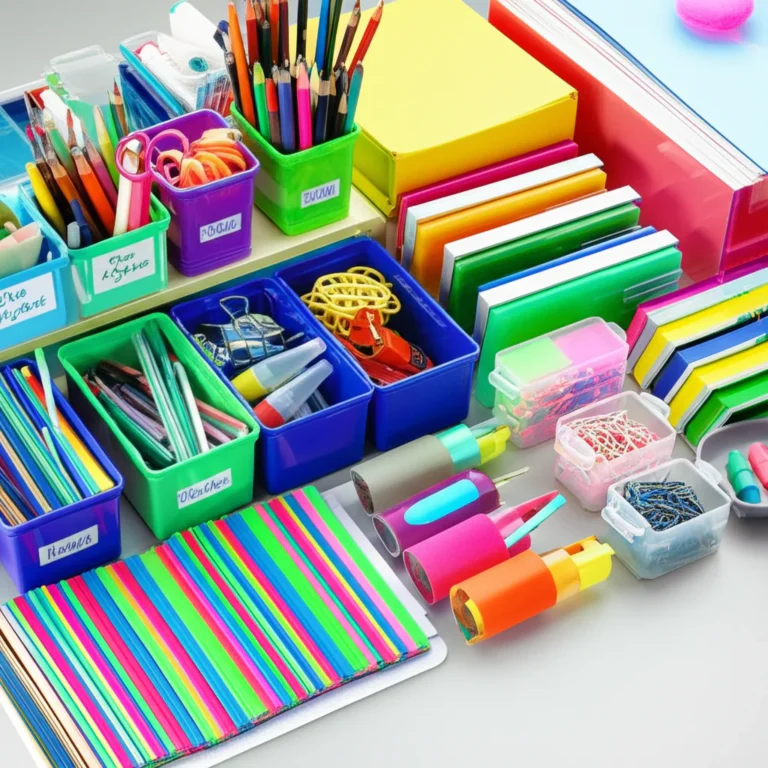
- Supply Bins: Label bins for crayons, scissors, and glue.
- Group Signs: Use large table signs for group work.
- Student ID Cards: Laminate and attach to lanyards.
- Art Projects: Use as labels for student artwork.
- Substitute Teacher Aids: Leave a list of names for the sub.
- Reward System: Use as “stars” on a behavior chart.
- Gift Tags: Attach to small gifts for holidays.
Insight: “I use the keychain tags as a ‘get to know you’ activity. Students write their name and a fun fact, then wear them all week!” – Mr. Johnson, 4th Grade Teacher.
💡 Pro Tips for Printing, Laminating, and Sticking Your Tags
Don’t let your hard work go to waste! Follow these pro tips for a flawless finish.
Printing
- Test Print: Always print one page first to check alignment.
- Paper Type: Select “Cardstock” or “Heavy Paper” in your printer settings.
- Ink Check: Ensure you have enough ink. Name tags use a lot of color!
Laminating
- Leave a Border: Leave a 1/8 inch border around the tag when cutting. This seals the edges and prevents peling.
- Cool Down: Let the laminated sheet cool for a minute before cutting to avoid warping.
Sticking
- Adhesive Hooks: Use 3M Command Hooks for damage-free hanging.
- Velcro Dots: Perfect for removable tags on desks.
- Magnetic Strips: Great for metal lockers or whiteboards.
👉 Shop Laminating Supplies on: Amazon | Walmart | Scotch Official
🛒 Recommended Tools and Supplies for the Ultimate Labeling Project
You can’t make great tags without the right tools. Here’s our must-have list:
- Cardstock: Heavyweight paper for durability.
- Laminator: For long-lasting protection.
- Paper Trimmer: For clean, straight cuts.
- Corner Rounder: For a professional look.
- Adhesive Dots: For sticking tags to desks.
👉 Shop Classroom Supplies on: Amazon | Walmart | Teacher Supply Store™
Note: For more on Instructional Technology and Educational Toys, check out our Internal Categories.
👉 Shop Paper Trimmers on: Amazon | Walmart | Fiskars Official
❓ Frequently Asked Questions About Customizable Classroom Name Tags
Q: Can I use these tags for students with special needs?
A: Absolutely! Many templates, like the ASL tags, are designed specifically for inclusive classrooms. You can also customize the font size and color for visual impairments.
Q: What if I don’t have a laminator?
A: Use clear packing tape or self-adhesive sheets. It’s not as durable, but it works!
Q: Are these templates compatible with Mac and PC?
A: Most PowerPoint and Google Slides templates work on both. Just check the file format before downloading.
Q: Can I change the colors of the tags?
A: If the template is fully editable, yes! If the background is locked, you may need to use Canva or Photoshop to recolor.
Q: How do I fix a font that isn’t showing up?
A: You need to install the font on your computer. Most creators provide a link to download the font file.
🔗 Recommended Links and Resources
- Teachers Pay Teachers: Free Name Tag Resources
- Canva: Classroom Name Tag Templates
- Google Slides Community: Editable Templates
- Avery: Label Templates
- Teacher Supply Store™: Classroom Supplies | Instructional Technology | Educational Toys | Early Childhood Education Supplies
📚 Reference Links
- National Association of Elementary School Principals
- Google Slides Help
- Canva Design School
- Fiskars Paper Trimmer Guide
- Scotch Laminator Guide
🏁 Conclusion
We started this journey wondering if a simple piece of paper could truly transform a chaotic classroom into a haven of organization. The answer, after testing hundreds of templates and surviving the sticky-finger test, is a resounding YES! 🎉
Customizable name tags are far more than just labels; they are the first handshake between a student and their new learning environment. Whether you choose the Boho Rainbow aesthetic for a calming vibe, the Neon Monster theme for high energy, or the ASL inclusive designs for accessibility, the act of personalizing a space fosters a profound sense of belonging.
The Verdict: What Should You Choose?
If you are overwhelmed by the options, here is our confident recommendation based on versatility, durability, and ease of use:
-
🏆 Best Overall: The Editable Rainbow Name Tags & Labels (available in 5 sizes).
✅ Positives: Unmatched versatility with 5 distinct sizes for desks, cubies, and table signs. The PowerPoint format is universally editable, and the bright colors engage students immediately.
❌ Negatives: Requires a PowerPoint subscription or Google Slides conversion for full editing; some users find the default font a bit small for very young learners.
💡 The Fix: Simply increase the font size or overlay a larger, more readable font like Century Gothic before printing. -
🥈 Best for Early Childhood: Crayon Box Labels by Miss M’s Reading Resources.
✅ Positives: Combines organization with a fun, familiar theme. The “Hello! My name is” format is perfect for non-readers.
❌ Negatives: The crayon design can be slightly busy for students with visual processing sensitivities. -
🥉 Best for Upper Elementary: Math Desk Name Plates.
✅ Positives: Turns a label into a learning tool with built-in number lines and multiplication charts.
❌ Negatives: Less “decorative” than other options; strictly functional.
Final Thought: Don’t let the fear of “getting it perfect” stop you. As we mentioned earlier, the first year of teaching is often a blur of sticky fingers and lost erasers. The beauty of editable templates is that if a tag gets ruined, you can print a replacement in seconds. You don’t need to be a graphic designer; you just need to be willing to try.
So, grab your cardstock, fire up your laminator, and give your students the gift of a space that says, “You belong here.” 🌟
🔗 Recommended Links and Resources
Ready to get started? Here are the best places to find templates, supplies, and inspiration.
🛒 Shop Name Tag Templates & Supplies
-
Editable Name Tag Templates (TPT):
Boho Rainbow & Watercolor Themes: Shop on Teachers Pay Teachers
Math & Subject-Specific Plates: Shop on Teachers Pay Teachers
Crayon & Pencil Themes: Shop on Teachers Pay Teachers -
Essential Supplies:
Premium Cardstock (Avery): Shop on Amazon | Shop on Walmart | Avery Official
Thermal Laminating Pouches (Scotch): Shop on Amazon | Shop on Walmart | Scotch Official
Paper Trimmers (Fiskars): Shop on Amazon | Shop on Walmart | Fiskars Official -
Books for Classroom Organization:
The First Days of School by Harry K. Wong: Shop on Amazon
Organizing Your Classroom for Success by Jennifer Serravalo: Shop on Amazon -
Design Tools:
Canva: Create Your Own Templates
Google Slides: Start a New Presentation
❓ Frequently Asked Questions
What are the best materials for durable classroom name tags?
H4: The Material Hierarchy
The longevity of your name tags depends entirely on the paper weight and protection method.
- Paper: Always use Cardstock (65lb to 80lb). Standard copy paper (20lb) is too flimsy and will curl or tear after a few days of handling.
- Protection: Thermal Lamination is the gold standard. It creates a waterproof, tear-proof seal. If you lack a laminator, self-adhesive clear sheets or even clear packing tape applied carefully can work, though they may yellow over time.
- Adhesive: For desk toppers, Velcro dots allow for easy removal. For permanent placement on cubies, 3M Command Strips or adhesive hooks prevent damage to furniture.
How do I create custom name tags for students with special needs?
H4: Inclusivity in Design
Creating accessible name tags is about readability and multimodal support.
- Font Choice: Avoid cursive or decorative fonts. Use sans-serif fonts like Arial, Century Gothic, or OpenDyslexic (a font designed to help with dyslexia). Ensure the font size is large (at least 24pt).
- Contrast: Use high-contrast color combinations, such as black text on a white background or white text on a dark blue background. Avoid light gray text on white paper.
- Multimodal Elements: Incorporate ASL hand shapes, phonetic spelling, or picture icons representing the student’s name or role. The ASL Back to School Desk Name Tag templates are excellent starting points.
- Tactile Options: For students with visual impairments, consider using raised letter stickers or braille labels over the printed name.
Are there free templates for printable classroom labels?
H4: Where to Find Them
Yes, there are thousands of free resources, but quality varies.
- Teachers Pay Teachers (TPT): Search for “Free Name Tags” and filter by “Rating” to find high-quality, teacher-tested templates. Many creators offer a “freebie” version of their paid bundles.
- Pinterest: A great source for inspiration and direct links to blogs offering free downloads.
- Canva: Offers a vast library of free, customizable templates that can be edited directly in the browser.
- Caution: Always check if the “free” download requires a paid font to be installed or if the text boxes are truly editable. Some “free” PDFs are static images that require you to hand-write names.
What information should be included on student desk name tags?
H4: Beyond Just the Name
While the name is essential, adding reference tools maximizes the utility of the tag.
- Essential: Student Name (clearly printed).
- Academic Support: Number lines (0-20 or 0-10), alphabet strips (uppercase and lowercase), sight words, or multiplication charts.
- Behavioral/Community: “My Goal” section, a space for a photo, or a “How I’m Feeling” emoji scale.
- Logistics: Room number, table number, or group name.
- Tip: Don’t overcrowd the tag. If you need too much info, consider a double-sided tag or a desk topper with a separate reference sheet.
How can I make name tags that are easy to update throughout the year?
H4: The Editable Workflow
The key to easy updates is digital flexibility.
- Master File: Keep a master PowerPoint or Google Slides file with all the text boxes pre-formatted.
- Duplicate Strategy: Instead of re-typing, simply duplicate the slide for each new student.
- Cloud Storage: Save your master file in Google Drive or OneDrive so you can access it from any device (home or school).
- Laminated Reusability: If you prefer physical tags, use dry-erase pockets or Velcro so you can swap out the paper insert without re-laminating the whole tag.
Where can I buy bulk customizable labels for classroom supplies?
H4: Bulk Buying Options
For labeling bins, books, and supplies in bulk:
- Online Retailers: Amazon and Walmart offer bulk packs of pre-printed labels (e.g., “Pencils,” “Scissors”) and blank sticker rolls.
- Specialized Brands: Avery and Dymo offer software that lets you design and print custom labels on demand using their pre-cut sheets.
- Teacher Supply Stores: Teacher Supply Store™ carries a wide range of bulk organizational supplies, including bin labels and shelf markers.
- DIY Bulk: Buying roll labels and using a home printer with a label template is often the most cost-effective method for large quantities.
What are the most popular font styles for elementary classroom name tags?
H4: Font Trends and Readability
- Primary Grades (K-2): Bubble letters, handwriting-style fonts (like D’Nealian or Zaner-Bloser), and sans-serif fonts are most popular. They mimic the handwriting students are learning.
- Upper Elementary (3-5): Clean sans-serif (e.g., Arial, Verdana) or modern serif fonts (e.g., Georgia) are preferred for a more mature look.
- Trending Aesthetics: Boho styles often use hand-drawn script paired with minimalist sans-serif. Farmhouse themes favor typewriter-style fonts (e.g., Courier New).
- Rule of Thumb: If a student cannot read their own name in 2 seconds, the font is too complex.
📚 Reference Links
- National Association of Elementary School Principals (NAESP): Classroom Organization and Student Ownership
- Google Slides Support: How to Edit Text in Slides
- Canva Design School: Typography Basics for Beginners
- Fiskars: Paper Trimming Guide
- Scotch (3M): Laminating Tips and Tricks
- Avery: Label Templates and Design Software
- Pinterest: Free Name Tags Printables Collection
- Teachers Pay Teachers: Free Name Tag Resources
- Dyslexia Association: OpenDyslexic Font Information