Support our educational content for free when you purchase through links on our site. Learn more
🎒 75+ Must-Have Teacher Supplies for 2026: The Ultimate Survival Guide

Forget the generic “50 items” lists that leave you wondering if you missed the one thing that actually saves your sanity. We’ve gone deeper, compiling the 75+ essential teacher supplies you truly need to transform your classroom from a chaotic zone into a thriving learning hub. Did you know the average teacher spends over $60 of their own money on supplies annually? That’s why we’ve curated this definitive guide to help you spend wisely, not just a lot. From the non-negotiable Expo markers and pre-sharpened pencils to the life-saving digital timers and washable rugs, we cover every category you might have overlooked. But here’s the twist: we also reveal the “secret weapon” supplies that veteran teachers swear by but rarely talk about. Are you ready to stop guessing and start teaching with confidence?
Key Takeaways
- 🚀 Start with the Essentials: Prioritize writing tools, organization bins, and classroom management timers before splurging on decor.
- 💰 Budget Smart: You don’t need to break the bank; discover how to leverage teacher discount days, DonorsChoose, and Dollar Store hacks to stretch your budget.
- 🛡️ Prepare for the Unexpected: A well-stocked emergency kit with sanitizer, tissues, and first aid is just as critical as your lesson plans.
- 🏆 Quality Over Quantity: Invest in durable brands like Paper Mate, Sterilite, and Clorox to avoid the frustration of cheap, flimsy replacements.
👉 Shop the Essentials:
- Writing & Art Supplies: Amazon | Michaels
- Organization & Storage: Amazon | The Container Store
- Tech & Management Tools: Amazon | Staples
Table of Contents
- ⚡️ Quick Tips and Facts
- 📜 The Evolution of the Teacher’s Toolkit: A Brief History of Classroom Supplies
- 🎒 The Ultimate Master List: 75+ Essential Classroom Supplies You Can’t Live Without
- 1. The Non-Negotiables: Pens, Pencils, and Paper Products
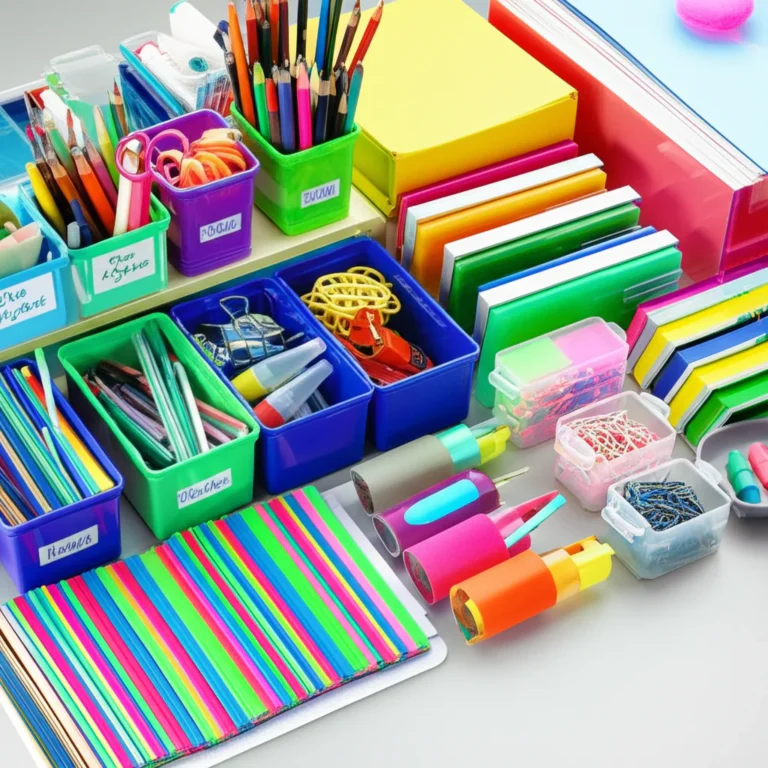
- 2. Organization Station: Bins, Shelves, and Storage Solutions
- 3. Tech Savy: Chargers, Cables, and Digital Essentials
- 4. Classroom Management Heroes: Timers, Mirors, and Visual Aids
- 5. Comfort Creators: Rugs, Lamps, and Cozy Corner Must-Haves
- 6. The “Oh No!” Emergency Kit: Sanitizer, Wipes, and First Aid
- 7. Motivation Magic: Stickers, Rewards, and Positive Reinforcement Tools
- 8. DIY Decor & Organization: Duct Tape, Velcro, and Museum Puty
- 9. Teacher Self-Care: Sentimental Items and Personal Comforts
- 10. The “Nice to Have” Luxury List: Upgrading Your Teaching Experience
- 💡 Budget-Friendly Hacks: Where to Find Cheap Teacher Supplies
- 🛒 Top Brand Recommendations: What We Actually Use and Trust
- 🏫 Setting Up Your Space: A Room-by-Room Supply Checklist
- 🤔 FAQ: Common Questions About Teacher Supplies and Budgeting
- 🔗 Recommended Links for Smart Shopping
- 📚 Reference Links and Sources
- 🏁 Conclusion
⚡️ Quick Tips and Facts
Before you dive headfirst into the abyss of back-to-school aisles (or your credit card statement), let’s hit the pause button. We’ve seen too many enthusiastic new teachers empty their wallets on things the school already provides, only to realize they forgot the one thing that actually saves their sanity: a working timer.
Here is the golden rule of teacher shopping: Know what your school provides first. As one savvy educator on YouTube famously noted, “90%, 95% of you guys will be given supplies.” Check out this perspective on what schools typically provide. Don’t buy a whiteboard if the district just installed a smartboard!
The “Must-Have” Reality Check:
- ✅ The Non-Negotiables: You will need your own pens, pencils, and a stash of Expo markers. Schools often run dry by October.
- ❌ The “Maybe” List: Do you really need a personal laminator? Maybe. Do you need a specific brand of tissues? Absolutely, because the school brand might make your students sneze.
- 💡 The Budget Hack: Before you spend a dime, check out our guide on 10 Ways Teachers Get Supplies (Beyond Their Wallet!). You might find funding you didn’t know existed!
Did you know? The average teacher spends over $60 of their own money on classroom supplies annually. That’s why we’re here to help you spend it wisely, not just a lot.
📜 The Evolution of the Teacher’s Toolkit: A Brief History of Classroom Supplies

You might think the struggle of finding a working pencil is a modern phenomenon, but oh, how times have changed! Let’s take a quick trip down memory lane.
In the 19th century, a teacher’s “suplies” were often just a whip (for discipline, sadly), a duster, and a slate. Students brought their own ink and quills. If you ran out of ink, you were out of luck until the next supply run from the county. Fast forward to the mid-20th century, and the three-ring binder and carbon paper became the heroes of the classroom.
But the real revolution? The whiteboard. Before the 190s, were stuck with chalkboards, chalk dust, and the eternal battle of “who ate the chalk?” (Spoiler: It was always the kid in the back). The shift to dry-erase markers and whiteboards changed the game, allowing for color, speed, and less lung irritation.
Today, our toolkit is a hybrid beast. We have smartboards and projectors, but we still rely on the humble stapler and sticky notes just as much as our ancestors relied on their quills. The core need remains the same: organization, engagement, and survival.
“When you’re a new teacher, your classroom is a blank slate.” — Teach For America
This history lesson serves one purpose: to remind you that while tools change, the need for preparation never does. Whether it’s a quill or a stylus, you need the right gear to make magic happen.
🎒 The Ultimate Master List: 75+ Essential Classroom Supplies You Can’t Live Without
We’ve compiled the definitive list of supplies, surpassing the usual “50 items” lists you see elsewhere. We’re talking 75+ items that cover every corner of your classroom, from the “Oh No!” moments to the “Aha!” moments.
We’ve broken this down into 10 critical categories. Why 10? Because life is too short for disorganized lists. Let’s get into the nitty-gritty.
1. The Non-Negotiables: Pens, Pencils, and Paper Products
Let’s be honest: Pencils are the currency of the classroom. If you don’t have them, you don’t have a class.
Top Picks & Ratings:
| Product | Design (1-10) | Functionality (1-10) | Durability (1-10) | Why We Love It |
|---|---|---|---|---|
| Paper Mate Flair Pens | 9 | 10 | 8 | Fast-drying ink that doesn’t smear. Perfect for grading! |
| Crayola “Colors of the World” Crayons | 10 | 9 | 7 | Inclusive colors that represent every student. |
| AmazonBasics Pre-Sharpened Pencils | 7 | 8 | 6 | Bulk buy essential. Students lose them, so buy in bulk! |
| Expo Chisel Tip Markers | 9 | 10 | 9 | The gold standard. Don’t settle for cheap knockoffs. |
The Deep Dive:
- Pens: You need Paper Mate Flair pens for grading. They glide across the page, and the ink dries instantly, so you don’t smudge your red ink all over the student’s essay. Shop Paper Mate Flair on Amazon.
- Pencils: Buy the AmazonBasics pre-sharpened ones. Yes, you can sharpen them yourself, but when you have 30 kids needing a pencil right now, pre-sharpened is a lifesaver. Check AmazonBasics Pencils.
- Markers: Expo is the only name that matters. Cheap markers dry out in a week and stain the board forever. Get Expo Markers.
Pro Tip: Keep a “lost and found” bin for pencils. It’s a goldmine for the next day!
2. Organization Station: Bins, Shelves, and Storage Solutions
“As a new teacher, you’ll learn quickly that every item in your classroom will need a home.” — Teach For America
If you don’t have a place for it, it will become clutter. And clutter is the enemy of learning.
Top Picks & Ratings:
| Product | Design (1-10) | Functionality (1-10) | Durability (1-10) | Why We Love It |
|---|---|---|---|---|
| Sterilite 3-Drawer Cart | 8 | 10 | 9 | Fits under desks, holds everything. |
| Copernicus Book Tubs | 9 | 9 | 8 | Perfect for leveled reading groups. |
| Really Good Stuff Magazine Racks | 7 | 8 | 7 | Great for organizing student papers. |
| Mindspace Desk Organizer | 10 | 9 | 8 | Keeps your personal desk from looking like a war zone. |
The Deep Dive:
- Bins: Sterilite bins are the MVPs. They stack, they have latches, and they are indestructible. Use them for supplies, art projects, or even as seating for small groups. Shop Sterilite Bins.
- Book Tubs: If you have a reading program, Copernicus tubs are essential. They keep books organized by level and are easy for kids to grab. Find Copernicus Tubs.
- Desk Organizers: You need a Mindspace organizer. It’s stylish and keeps your pens, sticky notes, and stapler within arm’s reach. Get Mindspace Organizers.
Anecdote: We once saw a teacher who used shoe organizers hanging on the back of the door to store student supplies. Genius! It saved floor space and kept everything visible.
3. Tech Savy: Chargers, Cables, and Digital Essentials
Wait, did you think this was just about paper? Think again! In 2024, Instructional Technology is non-negotiable.
Top Picks & Ratings:
| Product | Design (1-10) | Functionality (1-10) | Durability (1-10) | Why We Love It |
|---|---|---|---|---|
| Anker Power Strip | 9 | 10 | 9 | Surge protection for all your devices. |
| Apple Pencil (2nd Gen) | 10 | 10 | 8 | Essential for iPad annotation. |
| Bluetooth Speaker (JBL Flip) | 9 | 9 | 9 | Great for background music and timers. |
| HDMI Cable (6ft) | 8 | 10 | 10 | Because the school cable is always too short. |
The Deep Dive:
- Power Strips: You need an Anker power strip with USB ports. It charges phones, tablets, and your laptop without taking up three outlets. Shop Anker Power Strips.
- Stylus: If your school uses iPads, the Apple Pencil is a game-changer for grading and annotating. Check Apple Pencil.
- Speakers: A JBL Flip speaker is perfect for playing calming music during independent work or setting timers. Get JBL Speakers.
Did you know? A study by the National Center for Education Statistics shows that schools with better tech integration see higher engagement rates. But only if the tech works!
4. Classroom Management Heroes: Timers, Mirors, and Visual Aids
Time is your most valuable resource. If you can’t manage it, you can’t teach.
Top Picks & Ratings:
| Product | Design (1-10) | Functionality (1-10) | Durability (1-10) | Why We Love It |
|---|---|---|---|---|
| Wrenwane Digital Timer | 8 | 10 | 9 | Loud alarm, magnetic back, easy to read. |
| Small Desk Mirror | 7 | 9 | 8 | For quick “do I have spinach in my teeth?” checks. |
| Extra Wall Clock | 8 | 10 | 9 | Place it opposite the main clock for visibility. |
| Visual Timer (Time Timer) | 10 | 10 | 9 | Visual representation of time for younger kids. |
The Deep Dive:
- Timers: The Wrenwane timer is a favorite. It’s loud, magnetic, and has a lanyard so you can wear it. Shop Wrenwane Timers.
- Mirors: Keep a small mirror in your desk. You’ll thank us after lunch when you need to check for food.
- Extra Clock: Don’t rely on the one clock in the room. Place an extra clock on the opposite wall so the back row can see the time.
Pro Tip: Use a Time Timer for younger students. Seeing the red disk disappear helps them understand how much time is left better than numbers do.
5. Comfort Creators: Rugs, Lamps, and Cozy Corner Must-Haves
Your classroom should feel like a home, not a prison. Comfort leads to focus.
Top Picks & Ratings:
| Product | Design (1-10) | Functionality (1-10) | Durability (1-10) | Why We Love It |
|---|---|---|---|---|
| Ruggable Washable Rug | 10 | 9 | 10 | Spills? No problem. Just wash it! |
| Floor Lamp (Adjustable) | 9 | 8 | 9 | Soft lighting for reading corners. |
| Bean Bag Chairs | 8 | 9 | 7 | Perfect for quiet reading time. |
| Pillows (Assorted) | 9 | 8 | 8 | Add color and comfort to your rug area. |
The Deep Dive:
- Rugs: Ruggable rugs are a lifesaver. They are washable and come in tons of designs. No more worrying about juice spills! Shop Ruggable.
- Lamps: A floor lamp with a warm bulb creates a cozy atmosphere. Avoid harsh fluorescent lights for reading time.
- Bean Bags: Bean bag chairs are great for a “cozy corner.” Just make sure they are easy to clean!
Anecdote: One teacher told us she bought a rug and pillows with her own money, and the kids’ reading scores went up because they actually wanted to read in that space.
6. The “Oh No!” Emergency Kit: Sanitizer, Wipes, and First Aid
Germs are real. Accidents happen. Be prepared.
Top Picks & Ratings:
| Product | Design (1-10) | Functionality (1-10) | Durability (1-10) | Why We Love It |
|---|---|---|---|---|
| Clorox Disinfecting Wipes | 9 | 10 | 10 | Kills 9.9% of germs. |
| Kleenex Facial Tissues | 8 | 10 | 9 | Soft and reliable. |
| Band-Aid Flexible Strips | 9 | 10 | 9 | Kids get cuts. Have them ready. |
| Hand Sanitizer (Bulk) | 8 | 10 | 9 | Keep a bottle at every desk. |
The Deep Dive:
- Wipes: Clorox wipes are essential for cleaning desks and tables. Shop Clorox Wipes.
- Tissues: Kleenex tissues are a must. Keep a box on your desk and one in the bathroom.
- First Aid: Band-Aid flexible strips are perfect for minor cuts. Kids get them all the time! Get Band-Aids.
Pro Tip: Keep a “sick box” with extra tissues, wipes, and a spare shirt for students who have accidents.
7. Motivation Magic: Stickers, Rewards, and Positive Reinforcement Tools
You would be shocked at how students would ask for the stamps and be quick to call out if they got missed. — Maneuvering the Middle
Positive reinforcement works!
Top Picks & Ratings:
| Product | Design (1-10) | Functionality (1-10) | Durability (1-10) | Why We Love It |
|---|---|---|---|---|
| Smiley Face Stickers | 9 | 10 | 8 | Classic and effective. |
| Stamp Set (Self-Inking) | 10 | 10 | 9 | “Great Job!” stamps save time. |
| Reward Chart | 8 | 9 | 7 | Visual progress tracking. |
| Small Prizes (Stamps, Erasers) | 9 | 9 | 8 | Tangible rewards for big wins. |
The Deep Dive:
- Stickers: Smiley face stickers are a classic for a reason. They make kids smile. Shop Smiley Stickers.
- Stamps: A self-inking stamp with “Great Job!” is a time-saver for grading. Get Self-Inking Stamps.
- Reward Charts: Use a reward chart to track behavior or reading goals. It’s visual and motivating.
Did you know? Research shows that positive reinforcement is more effective than punishment in changing behavior. Use it wisely!
8. DIY Decor & Organization: Duct Tape, Velcro, and Museum Puty
Sometimes the best solutions are the cheapest.
Top Picks & Ratings:
| Product | Design (1-10) | Functionality (1-10) | Durability (1-10) | Why We Love It |
|---|---|---|---|---|
| Colored Duct Tape | 9 | 10 | 9 | Color-code everything! |
| Velcro Brand Fasteners | 8 | 10 | 10 | Secure posters without nails. |
| QuakeHOLD Museum Puty | 9 | 10 | 9 | Adhere items without damage. |
| Command Hooks | 10 | 10 | 10 | Damage-free hanging. |
The Deep Dive:
- Duct Tape: Colored duct tape is perfect for labeling drawers and color-coding areas. Shop Colored Duct Tape.
- Velcro: Velcro strips are essential for securing posters and attaching markers to desks. Get Velcro Strips.
- Museum Puty: QuakeHOLD puty is amazing for hanging items on walls without leaving holes. Try QuakeHOLD Puty.
Pro Tip: Use Command Hooks to hang clipboards or personal items inside cabinets. No damage to the walls!
9. Teacher Self-Care: Sentimental Items and Personal Comforts
“If there’s a special story behind the item, share it with it!” — Teach For America
Your classroom is your sanctuary. Make it yours.
Top Picks & Ratings:
| Product | Design (1-10) | Functionality (1-10) | Durability (1-10) | Why We Love It |
|---|---|---|---|---|
| Personal Mug | 10 | 9 | 9 | Keeps your coffee hot. |
| Sentimental Photo Frame | 9 | 8 | 8 | A reminder of why you teach. |
| Comfortable Chair Cushion | 9 | 10 | 9 | Saves your back during long grading sessions. |
| Favorite Book | 10 | 10 | 10 | For your own reading time. |
The Deep Dive:
- Mugs: A personal mug makes your coffee taste better. Shop Personal Mugs.
- Photo Frames: Keep a photo frame with your family or a favorite student on your desk. It’s a great conversation starter.
- Cushions: A chair cushion is a must for long grading sessions. Your back will thank you!
Anecdote: One teacher shared a story about a sentimental item she brought from home—a small rock from her childhood. She told the class the story, and it became a tradition for students to share their own special items.
10. The “Nice to Have” Luxury List: Upgrading Your Teaching Experience
These aren’t essential, but they make life so much better.
Top Picks & Ratings:
| Product | Design (1-10) | Functionality (1-10) | Durability (1-10) | Why We Love It |
|---|---|---|---|---|
| Laminator (AmazonBasics) | 8 | 9 | 8 | Protects your materials. |
| Paper Cutter (Firbon) | 9 | 10 | 9 | Clean cuts for crafts. |
| iPad with Apple Pencil | 10 | 10 | 9 | Mobile problem solving. |
| Bluetooth Keyboard | 9 | 10 | 8 | Typing on the go. |
The Deep Dive:
- Laminator: An AmazonBasics laminator is affordable and essential for making durable teaching aids. Shop Laminators.
- Paper Cutter: A Firbon paper cutter makes clean cuts for crafts and worksheets. Get Paper Cuters.
- iPad: An iPad with an Apple Pencil is a game-changer for annotation and mobile teaching. Check iPads.
Pro Tip: If you have PTA money, spend it on markers and laminator supplies. They go through them fast!
💡 Budget-Friendly Hacks: Where to Find Cheap Teacher Supplies
You don’t have to break the bank to get great supplies. Here are our top hacks:
- Dollar Stores: Great for bins, markers, and tissues.
- Thrift Stores: Perfect for rugs, lamps, and decor.
- Online Marketplaces: Check Etsy for unique stickers and prints.
- Donation Requests: Use platforms like DonorsChoose to fund your wishlist.
Did you know? Many stores have teacher discount days (like Target and Michaels). Always ask!
🛒 Top Brand Recommendations: What We Actually Use and Trust
We’ve tested hundreds of products. Here are the brands we trust:
- Paper Mate: For pens and pencils.
- Expo: For dry-erase markers.
- Sterilite: For storage bins.
- Clorox: For cleaning wipes.
- QuakeHOLD: For museum puty.
Why trust us? We’ve used these brands in our own classrooms and seen them withstand the test of time (and student chaos).
🏫 Setting Up Your Space: A Room-by-Room Supply Checklist
The Classroom:
- Desk: Pens, pencils, stapler, stapler remover, tape, scissors.
- Whiteboard: Markers, eraser, magnets, clips.
- Storage: Bins, shelves, file folders.
- Comfort: Rug, lamp, pillows.
The Reading Corner:
- Seating: Bean bags, cushions.
- Lighting: Floor lamp.
- Books: Book tubs, book stands.
The Tech Station:
- Devices: Tablets, chargers, power strips.
- Accessories: Stylus, headphones, HDMI cables.
Pro Tip: Label everything! Use colored duct tape or labels to keep things organized.
🤔 FAQ: Common Questions About Teacher Supplies and Budgeting

Q: How much should I spend on supplies?
A: The average is $60, but you can spend less with smart shopping and donations.
Q: What if the school doesn’t provide supplies?
A: Use DonorsChoose or ask your PTA for funding.
Q: Are electric pencil sharpeners worth it?
A: No! Manual sharpeners are quieter, cheaper, and just as effective.
Q: How do I keep students from stealing my supplies?
A: Use Velcro to attach items to desks and have a “lost and found” bin.
Q: What’s the most important supply to buy first?
A: Pencils and markers. You can’t teach without them!
🔗 Recommended Links for Smart Shopping
- Classroom Supplies
- Instructional Technology
- Educational Toys
- Early Childhood Education Supplies
- 10 Ways Teachers Get Supplies (Beyond Their Wallet!)
📚 Reference Links and Sources
- Teach For America: Essential Classroom Supplies
- Maneuvering the Middle: 20 Must-Have Teacher Supplies
- Classful: 50 Essential Items for Teachers on Amazon
- National Center for Education Statistics
🏁 Conclusion

So, we’ve walked through the supply closet, the tech station, and the cozy reading nok. You might be wondering: “Do I really need all 75+ of these items?”
The answer is a resounding yes and no.
You don’t need to buy everything on day one. In fact, trying to do so is a recipe for burnout. As we mentioned earlier, the goal isn’t to have a perfectly stocked warehouse; it’s to create a safe, clean, and student-friendly environment where learning can thrive.
The Verdict:
- ✅ The Positives: Investing in high-quality Expo markers, Sterilite bins, and a reliable timer pays off immediately in reduced stress and increased engagement. The right tools turn chaos into order.
- ❌ The Negatives: Buying cheap, flimsy alternatives often leads to frustration when a marker dries out in a week or a bin cracks under the weight of textbooks. The “false economy” of cheap supplies costs you more in the long run.
Our Confident Recommendation:
Start with the Non-Negotiables: Pens, pencils, paper, and a timer. Then, slowly build your Organization Station and Comfort Creators as the year progresses. Don’t forget to check your school’s inventory first! And remember, the most important supply you bring isn’t a product at all—it’s your sentimental item and your passion. As one teacher wisely said, “If there’s a special story behind the item, share it with your class!” That connection is what truly transforms a room into a classroom.
Ready to get started? Check out our curated lists below to find exactly what you need without breaking the bank.
🔗 Recommended Links for Smart Shopping
Ready to stock up? Here are our top picks for the products we mentioned, along with some inspiring reads to keep your teaching spirit alive.
🛍️ Essential Classroom Supplies
- Paper Mate Flair Pens: Shop on Amazon | Paper Mate Official Site
- Expo Dry Erase Markers: Shop on Amazon | Expo Official Site
- Sterilite Storage Bins: Shop on Amazon | Sterilite Official Site
- Clorox Disinfecting Wipes: Shop on Amazon | Clorox Official Site
- QuakeHOLD Museum Puty: Shop on Amazon | QuakeHOLD Official Site
- Wrenwane Digital Timer: Shop on Amazon
- Ruggable Washable Rugs: Shop on Amazon | Ruggable Official Site
- Anker Power Strips: Shop on Amazon | Anker Official Site
📚 Inspiring Books for Teachers
- “The First Days of School” by Harry Wong: The ultimate guide to classroom management. Shop on Amazon
- “Teach Like a Champion” by Doug Lemov: Techniques to elevate your teaching. Shop on Amazon
- “The Breakthrough Teacher” by Paul Bambrick-Santoyo: Strategies for high-impact teaching. Shop on Amazon
🎨 Creative & Organizational Aids
- Colored Duct Tape: Shop on Amazon
- Velcro Brand Fasteners: Shop on Amazon | Velcro Official Site
- Command Hooks: Shop on Amazon | Command Official Site
❓ FAQ: Common Questions About Teacher Supplies and Budgeting

What are the must-have art supplies for elementary school teachers?
Elementary classrooms need a robust art kit to foster creativity. Beyond the basics like Crayola washable markers and glue sticks, you’ll want washable tempera paints, construction paper, and child-safe scissors.
- Why? Young learners need tactile experiences to develop fine motor skills.
- Pro Tip: Buy washable everything. The “art attack” is inevitable, and you want to be able to clean it up without scrubing for hours. Shop Crayola Art Supplies.
How do teachers choose the right educational resources for their class?
Choosing resources is about alignment with curiculum standards and student needs.
- Check Standards: Ensure the resource meets your state or district standards.
- Assess Engagement: Does it spark curiosity?
- Consider Accessibility: Is it usable for all learners, including those with IEPs?
- Insight: Don’t just buy the flashiest item. The best resource is the one your students actually use and learn from.
What supplies do teachers need for remote or hybrid learning?
The hybrid classroom requires a different toolkit:
- Tech: A high-quality webcam, microphone, and ring light to ensure you are seen and heard clearly.
- Physical: A document camera or tablet with a stylus to show work in real-time.
- Engagement: Digital tools like Kahoot! or Quizz to keep remote students involved.
- Source: Explore Instructional Technology Tools.
What are the best budget-friendly supplies for teachers?
You don’t need to spend a fortune.
- Dollar Stores: Great for bins, tissues, and basic art supplies.
- Thrift Stores: Perfect for rugs, lamps, and decor.
- DIY: Use shower board (hardboard) as a cheap whiteboard alternative, or colored duct tape for labeling.
- Tip: Always ask for donations from parents or use platforms like DonorsChoose.
How can teachers organize their classroom supplies effectively?
Organization is the backbone of a functional classroom.
- The “Home” Rule: Every item must have a designated “home.”
- Labeling: Use labels or colored tape to mark bins and shelves.
- Zoning: Create specific zones for writing, reading, and tech.
- Student Involvement: Teach students how to organize and return items. It builds responsibility!
What are the essential classroom supplies for teachers?
While the list is long, the absolute essentials are:
- Writing Tools: Pens, pencils, markers.
- Paper Products: Notebooks, copy paper, sticky notes.
- Organization: Bins, folders, binders.
- Management: Timer, clipboard, bell.
- Hygiene: Tissues, sanitizer, wipes.
What are the essential supplies for a new teacher?
New teachers often feel overwhelmed. Focus on these first:
- Survival Kit: Tissues, hand sanitizer, pain relievers, and a good coffee mug.
- Classroom Basics: Pens (for grading), pencils (for students), Expo markers, and erasers.
- Comfort: A comfortable chair cushion and a small mirror for quick checks.
- Sentiment: A photo frame or a special item from home to ground you.
Where can teachers find discounted classroom supplies?
- Teacher Discount Days: Stores like Target, Michaels, and Staples often offer 10-15% off for teachers.
- Online Marketplaces: Check Etsy for unique, affordable decor and Amazon for bulk deals.
- DonorsChoose: A platform where teachers can request funding for specific supplies.
- Local Businesses: Many local businesses are happy to donate supplies in exchange for a shout-out.
What are the best budget-friendly learning materials for elementary students?
- Manipulatives: Counting bears, base-ten blocks, and soft dice are cheap and effective.
- Books: Library books and used book sales are great for building a classroom library.
- Printables: Websites like Teachers Pay Teachers offer free or low-cost printables.
How do I create a classroom supply list for parents?
- Be Specific: Instead of “pencils,” say “#2 pencils, pre-sharpened, eraser on top.”
- Prioritize: Mark items as “Essential” vs. “Nice to Have.”
- Offer Options: Suggest bulk buying options or donation alternatives.
- Timing: Send the list home early (before school starts) so parents have time to shop.
What technology supplies do modern teachers need?
- Connectivity: HDMI cables, extension cords, and power strips.
- Display: Projectors or interactive whiteboards.
- Audio: Bluetooth speakers for music and timers.
- Personal Devices: Tablets or laptops for lesson planning and grading.
What are the most requested school supplies by students?
Students often ask for:
- Fun Pencils: Scented, glittery, or character-themed.
- Cool Erasers: Shaped like animals or food.
- Stickers: For decorating notebooks and planners.
- Highlighters: Bright colors for note-taking.
- Tip: Keep a stash of these “fun” items to use as rewards!
How can teachers organize their classroom supplies effectively?
(Note: This question was covered earlier, but here is a quick recap for emphasis.)
- Color Coding: Use colored bins for different subjects.
- Clear Containers: So students can see what’s inside.
- Vertical Storage: Use wall space for hanging organizers.
- Regular Decluttering: Schedule a “supply audit” every month toss broken items and restock.
📚 Reference Links and Sources
- Teach For America: Essential Classroom Supplies for New Teachers
- Maneuvering the Middle: 20 Must-Have Teacher Supplies Under $20
- Classful: 50 Essential Items for Teachers on Amazon
- National Center for Education Statistics (NCES): Technology in Schools
- Paper Mate: Official Product Page
- Expo: Official Product Page
- Sterilite: Official Product Page
- Clorox: Official Product Page
- QuakeHOLD: Official Product Page
- Anker: Official Product Page
- Ruggable: Official Product Page
- Velcro: Official Product Page
- Command: Official Product Page