Support our educational content for free when you purchase through links on our site. Learn more
🎒 12 Classroom Supply Budgeting Tips to Save Big in 2026

Stop draining your personal savings to stock your classroom; the secret to classroom supply budgeting tips is a hybrid strategy of strategic timing, aggressive reuse, and leveraging free digital tools. By shifting your mindset from “buying new” to “managing smart,” you can stretch your dollars further than ever before.
Did you know the average teacher spends over $745 of their own money annually on supplies? That’s a staggering amount that could easily fund a family vacation or a serious emergency fund. We’ve seen teachers transform their financial stress into confidence by simply changing when and how they shop.
Imagine walking into school in August with a fully stocked room, a full wallet, and zero panic. It’s not a fantasy; it’s the result of a solid plan.
Key Takeaways
- Timing is everything: Buy essentials during July/August sales and stock up on decor post-holidays to save up to 50%.
- Reuse and repurpose: Transform old materials with laminating and dry-erase sleeves to slash paper costs by nearly 40%.
- Leverage free resources: Utilize platforms like DonorsChoose and Google Classroom to fund projects and eliminate printing bills.
- Track every penny: Use a dedicated card and app to maximize your $30–$60 tax deduction and avoid budget leaks.
- Prioritize learning over aesthetics: Focus spending on student engagement tools rather than expensive decor.
Table of Contents
- ⚡️ Quick Tips and Facts
- 📜 The Evolution of Teacher Spending: From Penny Pinching to Smart Budgeting
- 📊 The Reality of Rising Costs in 2025: Why Your Wallet is Squezing
- 💰 Set a Classroom Budget That Actually Works for You
- 🛒 12 Strategic Shopping Hacks to Stretch Every Dollar
- 🔄 Reuse, Repurpose, and Rotate: The Art of Sustainable Supply Management
- 🆓 Tap Into Free (or Almost-Free) Resources Without the Embarrassment
- 💻 Go Digital When You Can: Cutting Paper Costs and Clutter
- 🤝 Get Parents and the Community Involved: Building a Support Squad
- 📝 Keep Track of Spending for Tax Time: Deductions You Can’t Miss
- 🎯 Prioritize What Matters Most: The Essential vs. The “Nice-to-Have” List
- 🏫 Classroom Supply Budgeting for Different Grade Levels and Subjects
- 🚀 Emergency Fund Strategies for Unexpected Supply Crises
- 📈 We Help Clients at All Stages: From Rookie Teachers to Veterans
- ✅ Conclusion
- 🔗 Recommended Links
- ❓ FAQ
- 📚 Reference Links
⚡️ Quick Tips and Facts
Before we dive into the nitty-gritty of stretching a dollar until it screams, let’s hit the pause button on the panic. Here are the hard truths and golden nugets you need to know right now:
- The $745 Reality Check: According to a recent National Education Association (NEA) survey, the average U.S. teacher spends over $745 of their own money on classroom supplies annually, and most of it never gets reimbursed. That’s a lot of coffee you’re buying for your students! NEA Survey Data
- Inflation is Real (and It’s Hungry): Basic supply costs have jumped nearly 8% in the last year alone. Tissues? Up 10.1%. Copy paper? Up 9.2%. It’s not just you; the prices are genuinely climbing. Inflation Data Source
- The Tax Break Myth: You might think you can deduct everything, but the IRS caps the educator expense deduction at $30 for single filers and $60 for married couples where both are teachers. Keep your receipts, but don’t expect a windfall. IRS Publication 529
- Timing is Everything: Buying in July/August isn’t just a habit; it’s a strategy. Back-to-school sales can save you up to 50% on essentials compared to buying in October.
- Digital vs. Analog: Going digital isn’t just trendy; it’s a budget saver. Switching to free platforms like Google Classroom or Kahoot! can slash your paper and printer ink bills by nearly 40%.
If you’re wondering how we, at Teacher Supply Store™, manage to keep our shelves stocked without selling a kidney, stick around. We’ve got a few secrets up our sleeves that go beyond just “buy in bulk.”
📜 The Evolution of Teacher Spending: From Penny Pinching to Smart Budgeting
Let’s take a quick trip down memory lane. Remember the “good old days” when a box of crayons cost a quarter and the school district provided enough paper to build a fort? Yeah, those days are about as real as a unicorn in a classroom.
In the 1980s and 90s, teacher spending was often a “nice-to-have” bonus. You might buy a few extra books or a fun poster. Fast forward to 2025, and the landscape has shifted dramatically. With district budgets stretched thinner than a cheap rubber band, the burden of supply procurement has landed squarely on the teacher’s shoulders.
The Shift in Philosophy:
- Then: “I’ll buy this if I have extra cash.”
- Now: “I need to buy this to ensure my students can actually learn.”
We’ve seen teachers move from simple “penny pinching” (which often led to running out of supplies by November) to strategic budgeting. It’s no longer about buying the cheapest item; it’s about buying the right item that lasts.
“You don’t need brand-new everything every year.” — A wise veteran teacher we spoke to last summer.
This evolution is crucial because it changes how we view our spending. It’s not an expense; it’s an investment in student success. But how do we manage this investment without going broke? That’s where the real magic happens.
📊 The Reality of Rising Costs in 2025: Why Your Wallet is Squezing
Let’s be honest: 2025 has been a tough year for the classroom wallet. The inflation numbers aren’t just abstract figures on a news ticker; they are the reason you’re staring at a receipt for tissues and wondering if you can afford lunch.
Here is the breakdown of the 2025 Cost Hikes that are hitting teachers the hardest:
| Supply Category | Price Increase (2024-2025) | Impact on Classroom |
|---|---|---|
| Tissues & Sanitizing | +10.1% | High volume usage; essential for health. |
| Copy Paper & Ink | +9.2% | Daily operations; massive cost driver. |
| Basic Tech (Headphones) | +8.7% | Essential for 1:1 learning environments. |
| Art Supplies (Markers/Glue) | +7.8% | Creative projects often cut first. |
| Decor & Incentives | +6.3% | “Nice-to-have” but vital for engagement. |
Source: Agregated data from major educational supply retailers and inflation reports.
Why the Squeeze?
Supply chain disruptions, increased raw material costs, and labor shortages have created a perfect storm. But here’s the kicker: teacher wages have remained largely flat. This disconnect means that for every dollar you earned in 2020, you can buy significantly less in 2025.
We’ve talked to teachers who used to buy a case of paper once a semester and now have to buy a ream every two weeks. It’s exhausting. But understanding why costs are rising is the first step to fighting back. You can’t fight what you don’t understand.
💰 Set a Classroom Budget That Actually Works for You
Okay, deep breath. We know the word “budget” makes some of you cringe. It sounds like math homework you failed in high school. But hear us out: a budget isn’t a cage; it’s a fredom map. It tells your money where to go instead of wondering where it went.
Step 1: The Audit
Before you spend a dime, you need to know your starting point.
- Check Your District Reimbursement: Does your district have a stipend? Is it $10? $50? Is it taxable? Learn more about district stipends here.
- Calculate Your “Comfort Zone”: How much of your own money can you spend without stressing about next month’s rent? Be honest. If it’s $20, that’s your number.
Step 2: Categorize Like a Pro
Don’t just throw money at a cart. Break your budget into these four pillars:
- Daily Essentials: Paper, pencils, tissues, hand sanitizer. (The “Must-Haves”)
- Lesson Materials: Art supplies, science kits, manipulatives. (The “Learning Tools”)
- Tech & Tools: Headphones, USB drives, batteries. (The “Modern Essentials”)
- Decor & Management: Bulletin boards, reward systems, organizational bins. (The “Vibe Creators”)
Step 3: Choose Your Tracking Method
- The Spreadsheet Guru: Use Google Sheets or Excel. Create columns for Date, Item, Category, and Cost.
- The App Lover: Try apps like Mint or YNAB (You Need A Budget). Set up a specific “Classroom” category.
- The Old Schooler: The Envelope System. Put cash in labeled envelopes for each category. When the envelope is empty, you stop spending. Simple, effective, and tactile.
“Start with what you realistically might spend without creating excessive stress.” — Financial Advisor, Halm Investment Services.
Pro Tip: Set aside a 10% emergency fund within your budget. If a box of markers gets spilled or a science fair project needs last-minute glue, you won’t have to dip into your grocery money.
🛒 12 Strategic Shopping Hacks to Stretch Every Dollar
Ready to become a shopping ninja? Here are 12 battle-tested strategies we’ve gathered from teachers who have mastered the art of the deal.
- Master the Back-to-School (BTS) Rush: July and August are the holy grail. Retailers like Target and Walmart slash prices by up to 50% on essentials. Buy your entire year’s supply of paper and pencils now.
- The Post-Holiday Goldmine: After Christmas, stores clear out decor, stickers, and prizes. You can find 70% off clearance items that are perfect for end-of-year rewards.
- Tax-Free Weekends: Many states have tax-free weekends in August. If you buy $50 worth of supplies, you could save 6–10% instantly. Check your state’s schedule!
- Stack Your Discounts: Use a teacher discount (usually 10-15%) on top of a sale price. Then, use a cash-back app like Rakuten or Ibotta. It’s like getting paid to shop.
- Bulk Buying with Buddies: Split a case of paper with a colleague. You get the bulk price, they get the bulk price, and you both save on shipping.
- Warehouse Store Hacks: Costco and Sam’s Club often have better prices on paper towels, tissues, and bulk art supplies than office supply stores.
- The “Generic” Game: Don’t always go for the brand name. Crayola is great, but Crayola’s generic counterparts or store brands (like Target’s Up & Up) are often identical in quality for half the price.
- Email List Exclusives: Sign up for newsletters from Michaels, Office Depot, and Staples. They often send “secret” coupons to subscribers that aren’t advertised in-store.
- Price Match Guarantee: If you find a lower price online, many stores (like Target) will match it. Don’t be shy to ask!
- The “Wait It Out” Rule: If you see something you want but don’t need, wait 30 days. Often, the price drops, or you realize you didn’t need it at all.
- Loyalty Programs: Join Target Circle, Walmart+, or Office Depot Rewards. Points add up to free supplies.
- Second-Hand First: Check Facebook Marketplace or OfferUp for gently used classroom furniture or bulk supplies. You’d be surprised what’s available.
Comparison: Where to Buy What
| Item Category | Best Place to Buy | Why? |
|---|---|---|
| Paper & Pencils | Costco / Sam’s Club | Lowest per-unit cost for bulk. |
| Art Supplies | Michaels (with coupon) | High variety, frequent 40-50% off sales. |
| Tech Accessories | Best Buy (Student/Teacher) | Good return policy, price matching. |
| Decor & Organizers | Dollar Tree / Target | Budget-friendly, trendy options. |
| Books | Thrift Stores / Library Sales | Deep discounts on gently used books. |
🔄 Reuse, Repurpose, and Rotate: The Art of Sustainable Supply Management
Here’s a secret: You don’t need to buy new everything every year. In fact, the most budget-savy teachers are the ones who are masters of the “reuse.”
The Lamination Lifeline
Stop printing worksheets on flimsy paper. Laminate them! Use dry-erase sleeves or dry-erase contact paper to turn any worksheet into a reusable activity.
- Brand Recommendation: Avery laminating pouches are durable and affordable.
- Cost Savings: One sheet of paper becomes 50+ uses. That’s a 98% reduction in paper costs for that specific activity.
The “Cereal Box” Hack
Need a pencil holder? A file organizer? A book bin?
- The Hack: Save your cereal boxes, cut the tops off, cover them with decorative paper, and you have instant, free organizers.
- Why it works: It’s free, customizable, and teaches students about recycling.
The Rotation System
Don’t let your classroom library get stale.
- Swap with Colleagues: Trade books with a grade-level partner. You get fresh content without spending a dime.
- Student Take-Home: Rotate a “book of the week” for students to take home. It keeps engagement high and reduces the need for buying new books constantly.
“Your students won’t remember if your classroom looked Pinterest-perfect. But they should remember the warmth, care, and creativity you brought to their learning experience.” — Halm Investment Services.
Real Story: Mrs. G., a 3rd-grade teacher, told us she stopped buying new bulletin board borders every year. Instead, she uses fabric scraps from her local thrift store. She sews them into borders that last for years and look amazing. Her budget for decor dropped from $150 to $15 a year!
🆓 Tap Into Free (or Almost-Free) Resources Without the Embarrassment
Asking for help can feel awkward, but remember: You are building a community, not begging. There are incredible resources out there waiting for you.
Crowdfunding Platforms
- DonorsChoose.org: This is the big one. Post a specific project (e.g., “Classroom Library Books” or “Science Lab Materials”). Teachers, parents, and strangers can fund it.
Success Rate: Over 80% of projects are funded.
Tip: Be specific. “I need books” is vague. “I need 20 copies of The Magic Tree House series for my struggling readers” is compelling. - AdoptAClassroom.org: Similar to DonorsChoose but often has corporate matching programs.
Digital Freebies
- Teachers Pay Teachers (TPT): While many resources are paid, there are thousands of free high-quality resources. Filter by “Free” and sort by “Highest Rated.”
- ReadWorks: A fantastic resource for free reading comprehension passages and lessons.
- Khan Academy: Free, world-class education for anyone, anywhere.
Community Sharing
- Facebook Groups: Join local “Teacher Swap” groups. Teachers often give away gently used supplies they no longer need.
- Local Businesses: Ask your local coffee shop for used cups for art projects, or a hardware store for leftover paint samples for color sorting.
Don’t be afraid to ask. Most people want to help but don’t know how. A clear, specific request is the key.
💻 Go Digital When You Can: Cutting Paper Costs and Clutter
Paper is expensive. Ink is expensive. Storage space is expensive. Going digital is one of the most effective ways to slash your budget.
The Digital Toolkit
- Google Classroom: The ultimate hub for assigning, collecting, and grading work. No more lost papers!
- Kahoot! & Quizz: Turn assessments into games. No more printing quizzes.
- Flipgrid: For video discussions. Students can record their thoughts instead of writing essays.
- Canva for Education: Free for teachers! Create beautiful worksheets, posters, and presentations without paying for design software.
The Benefits
- Cost: $0 for most core tools.
- Time: No more cutting, laminating, organizing paper piles.
- Accessibility: Students can access materials from home, reducing the need for printed handouts.
Caveat: Not every lesson needs to be digital. Balance is key. Use digital tools for repetitive tasks (quizzes, worksheets) and save paper for hands-on, tactile activities (art, science experiments).
🤝 Get Parents and the Community Involved: Building a Support Squad
You are not alone in this. Your parents and community are your secret weapon.
The Wishlist Strategy
At the beginning of the year, send home a Wishlist.
- Be Specific: Instead of “Suplies,” list “1 box of tissues, 1 pack of dry-erase markers, 1 roll of paper towels.”
- Make it Easy: Use a link to a Amazon Wishlist or a Google Form where they can sign up for specific items.
- The “Small Ask” Rule: People are more likely to donate a box of tissues than a $50 science kit. Break your needs into small, manageable chunks.
Volunteer Opportunities
Invite parents to help with:
- Cutting out materials.
- Organizing the classroom library.
- Creating bulletin board displays.
“Clear communication about what may help your classroom function better could inspire action from parents and community members.” — Halm Investment Services.
Real Story: Mr. T., a high school science teacher, asked parents to donate empty plastic bottles. He used them for a hydroponics project. The parents loved being part of the project, and he got free materials!
📝 Keep Track of Spending for Tax Time: Deductions You Can’t Miss
Let’s talk money back. The Educator Expense Deduction is a tax break that many teachers forget to use.
The Rules (2025)
- Single Filers: Up to $30 deduction.
- Maried Filing Jointly (Both Teachers): Up to $60 deduction.
- Eligible Expenses: Supplies, books, computer equipment, software, and professional development.
- Not Eligible: Home schooling, non-school related expenses, or reimbursed expenses.
How to Maximize It
- Dedicate a Card: Use a specific credit card or debit card only for school purchases. This makes tracking a breeze.
- Scan Your Receipts: Use an app like Expensify or Google Drive to scan and store every receipt. Don’t rely on a shoebox!
- Keep a Log: Note what you bought and why it was for the classroom.
- Consult a Pro: If you’re unsure, talk to a tax professional. It’s worth the fee to ensure you get every dollar you’re owed.
Warning: If you are reimbursed by your district, you cannot deduct those expenses. Only deduct what you paid out of pocket.
🎯 Prioritize What Matters Most: The Essential vs. The “Nice-to-Have” List
When the budget is tight, you have to make hard choices. How do you decide what to buy?
The Priority Matrix
| Priority Level | Examples | Action |
|---|---|---|
| Critical | Paper, pencils, tissues, basic tech | Buy Immediately. These are non-negotiable for learning. |
| Important | Science kits, art supplies, books | Buy if budget allows. Essential for engagement. |
| Nice-to-Have | Decor, fancy organizers, extra rewards | Wait for sales or free alternatives. |
The Philosophy:
Focus on learning outcomes, not aesthetics. Your students won’t remember the perfect bulletin board, but they will remember the time you helped them master a difficult concept.
“Your students won’t remember if your classroom looked Pinterest-perfect. But they should remember the warmth, care, and creativity you brought to their learning experience.” — Halm Investment Services.
Tip: If you have to choose between a new set of markers and a new book for your classroom library, choose the book. Reading is the foundation of learning.
🏫 Classroom Supply Budgeting for Different Grade Levels and Subjects
One size does not fit all. A kindergarten teacher has different needs than a high school chemistry teacher.
Early Childhood (Pre-K to 2nd)
- Focus: Manipulatives, art supplies, tissues, snacks.
- Budget Tip: Buy in bulk. Kids go through tissues and crayons like crazy.
- Recommended: Crayola bulk packs, Melissa & Doug manipulatives.
Elementary (3rd to 5th)
- Focus: Books, science materials, writing supplies.
- Budget Tip: Invest in durable books and reusable science kits.
- Recommended: Scholastic book clubs, National Geographic kits.
Middle & High School
- Focus: Tech, specialized supplies (graphing calculators, lab equipment), books.
- Budget Tip: Leverage digital resources to reduce paper. Ask for donations of specific textbooks.
- Recommended: Texas Instruments calculators (check for student discounts), OpenStax free textbooks.
Subject-Specific Tips:
- Art Teachers: Focus on bulk paint and paper. Look for “student grade” vs. “professional grade” to save money.
- Science Teachers: Use household items for experiments (vinegar, baking soda) instead of expensive chemicals.
- ELA Teachers: Build a classroom library through donations and used book sales.
🚀 Emergency Fund Strategies for Unexpected Supply Crises
Life happens. A box of markers gets spilled. A science fair project needs a last-minute motor. A student breaks a pair of headphones.
The “Emergency Fund”
Set aside 10% of your total budget for these surprises.
- Where to keep it: A separate savings account or a physical envelope labeled “Emergency.”
- What to buy: Keep a small stash of “just in case” items: extra markers, a roll of tape, a pack of batteries.
The “Swap” Network
Create a network with colleagues. If you need a specific item, ask your neighbor first. “Do you have an extra glue stick?” is better than buying a whole new pack.
📈 We Help Clients at All Stages: From Rookie Teachers to Veterans
Whether you’re a first-year teacher staring at a blank budget for the first time, or a veteran who has seen it all, we’ve got your back.
- Rookie Teachers: Start small. Focus on the essentials. Don’t try to buy everything at once.
- Veteran Teachers: Refine your system. Look for new ways to save. Mentor your colleagues on budgeting.
- Department Heads: Advocate for better funding. Share your budgeting strategies with your team.
Remember: You are not alone. We are here to help you navigate the financial challenges of teaching so you can focus on what matters most: your students.
✅ Conclusion

Let’s circle back to that question we started with: How do you keep your classroom supplied without going broke?
The answer isn’t a single magic trick. It’s a combination of strategies:
- Plan Ahead: Set a realistic budget and track every penny.
- 👉 Shop Smart: Use sales, coupons, and bulk buying to your advantage.
- Reuse & Repurpose: Don’t throw away; transform.
- Leverage Free Resources: DonorsChoose, digital tools, and community support are your friends.
- Prioritize: Focus on what truly matters for learning, not just decor.
The reality of rising costs in 2025 is tough, but it’s not unbeatable. By adopting these smart budgeting habits, you can stretch your dollar further than ever before. Remember, your students don’t need a perfect classroom; they need a caring, resourceful teacher. And that, my friend, is priceless.
So, take a deep breath, grab your spreadsheet, and start planning. You’ve got this!
🔗 Recommended Links
Here are some of our top picks for products and resources mentioned in this article:
- Laminating Pouches:
👉 CHECK PRICE on: Amazon | Walmart | Avery Official - Dry-Erase Sleeves:
👉 CHECK PRICE on: Amazon | Target - Bulk Art Supplies:
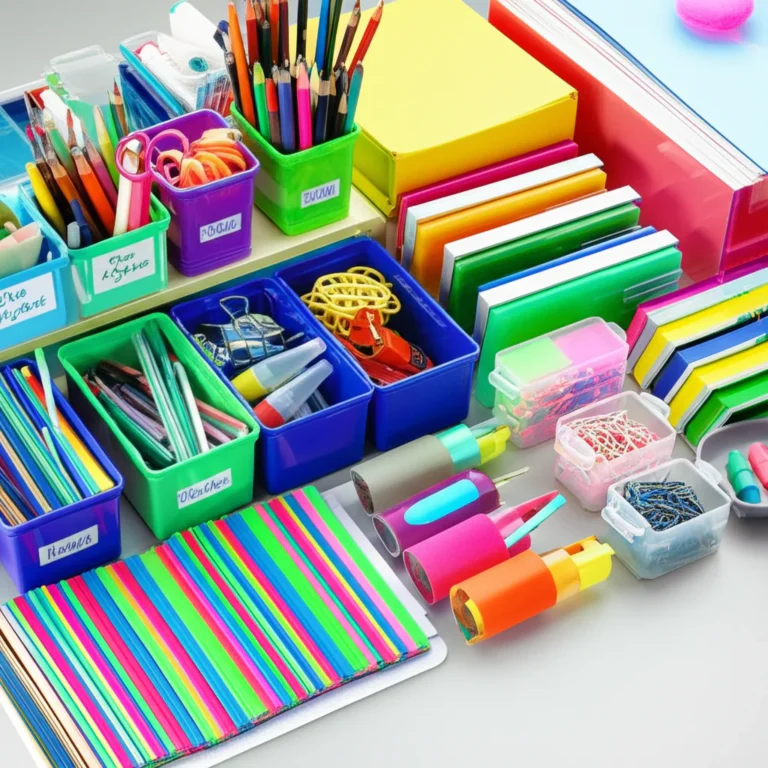
👉 CHECK PRICE on: Michaels | Amazon - Classroom Organization Bins:
👉 CHECK PRICE on: Amazon | The Container Store - Books for Teachers:
The First Days of School by Harry Wong: Amazon
Teach Like a Champion by Doug Lemov: Amazon
❓ FAQ

How can teachers maximize their classroom supply budget?
H4: Strategic Planning and Timing
To maximize your budget, start by categorizing your expenses into essentials, lesson materials, and decor. Timing your purchases is crucial; buy paper and pencils in July/August for back-to-school sales, and stock up on decor and prizes post-holidays. Stacking discounts (teacher discounts + sales + cash-back apps) can save you up to 30% on total costs. Additionally, collaborating with colleagues to buy in bulk can significantly reduce per-unit costs.
Read more about “15 Creative Ways Teachers Can Engage Students with Limited Resources 🎒 (2026)”
What are the best free resources for classroom supplies?
H4: Digital Platforms and Crowdfunding
The best free resources include DonorsChoose.org for funding specific projects, Teachers Pay Teachers for free downloadable lessons, and ReadWorks for reading comprehension materials. Google Classroom and Kahoot! offer free digital tools that reduce the need for physical supplies. Don’t forget local Facebook groups where teachers often swap or give away gently used items.
Read more about “🎨 12 Secret Spots for Affordable Classroom Decor (2026)”
Where can I find discounted bulk classroom materials?
H4: Warehouse Stores and Online Retailers
Costco and Sam’s Club are excellent for bulk paper, tissues, and basic art supplies. Michaels and Office Depot often have “buy one, get one 50% off” sales on art supplies. Amazon offers bulk pricing on many items, especially if you have Prime. Always check for tax-free weekends in your state to save an extra 6-10% on large purchases.
Read more about “🏆 15 Best Online Resources for Teachers to Buy Supplies (2026)”
How do I apply for grants to fund my classroom supplies?
H4: Grant Writing and Application Tips
Start by identifying your specific needs. Platforms like DonorsChoose and AdoptAClassroom allow you to create a project page that donors can fund. For larger grants, look into local community foundations or corporate sponsorships. When applying, be specific about what you need and how it will impact student learning. Include photos and a clear budget breakdown.
Read more about “🚀 75+ Creative Ways to Fundraise for Classroom Supplies (2026)”
📚 Reference Links
- National Education Association (NEA): Teacher Pay and Benefits Facts
- Bureau of Labor Statistics (BLS): Consumer Price Index (CPI)
- Internal Revenue Service (IRS): Publication 529: Miscellaneous Deductions
- DonorsChoose: DonorsChoose.org
- AdoptAClassroom: AdoptAClassroom.org
- Teachers Pay Teachers: TeachersPayTeachers.com
- ReadWorks: ReadWorks.org
- Google Classroom: Google Classroom
- Kahoot!: Kahoot.com
- Halm Investment Services: Stay Suplied – Classroom Budgeting Tips for Teachers
- Teacher Supply Store: Classroom Supplies
- Teacher Supply Store: Early Childhood Education Supplies
- Teacher Supply Store: How do teachers get supplies?