Support our educational content for free when you purchase through links on our site. Learn more
🚀 75+ Creative Ways to Fundraise for Classroom Supplies (2026)

The most effective way to fund your classroom isn’t a single event, but a hybrid strategy combining digital crowdfunding, targeted community partnerships, and high-engagement student-led activities. When you ask, “What are some creative ways to fundraise for classroom supplies and learning materials?” the answer lies in moving beyond the tired bake sale to leverage corporate matching gifts and passive income streams that actually respect your time.
Did you know that 94% of teachers spend their own money on classroom supplies, with the average teacher shelling out over $60 annually? That’s enough to buy a class set of books or a new set of science kits, yet it often comes straight from a teacher’s paycheck. We’ve seen a 4th-grade teacher raise $2,0 in a single week by launching a DonorsChoose campaign paired with a local business “dine-to-donate” night, proving that creativity beats cash every time.
Key Takeaways
- Diversify Your Approach: Relying one method is risky; combine digital crowdfunding, service-based events, and product sales to maximize revenue.
- Leverage Passive Income: Utilize platforms like Amazon Smile alternatives and affiliate marketing to earn funds while you sleep, reducing the need for time-consuming events.
- Engage the Community: Partner with local businesses for percentage days and in-kind donations to build long-term support rather than just a one-time cash infusion.
- Prioritize Student Leadership: Empower students to lead service projects and marketing campaigns, turning fundraising into a valuable lesson in entrepreneurship and civic duty.
Table of Contents
- ⚡️ Quick Tips and Facts
- 📜 From PTA Pancakes to Digital Donations: A Brief History of Classroom Fundraising
- 🚀 The Ultimate List: 75+ Creative Ways to Fundraise for Classroom Supplies and Learning Materials
- 1. 🍕 Food & Beverage Frenzy: Tasty Treats That Teach
- 2. 🎨 Arts, Crafts, and Creative Sales: Showcasing Student Talent
- 3. 🎮 Gamified Fundraisers: Turning Play into Profit
- 4. 📱 Digital Crowdfunding and Online Campaigns: Reaching Beyond the Classroom
- 5. 🏆 Service-Based and Skill-Sharing Events: Selling Time and Talent
- 6. 🛒 Retail Therapy: Selling Products with Purpose
- 7. 🎭 Themed Events and Galas: Making Memories While Making Money
- 8. 🌱 Eco-Friendly and Sustainable Fundraising: Green Ideas for the Future
- 9. 🏫 School-Wide and Community Partnerships: Leveraging Local Business
- 10. 📚 Book Fairs and Literacy Drives: Fueling a Love for Reading
- 1. 🎵 Music, Performance, and Talent Shows: The Sound of Success
- 12. 🏃 ♂️ Fitness Challenges and Active Fundraisers: Get Moving for Supplies
- 13. 🎁 Seasonal and Holiday-Themed Fundraisers: Capitalizing on the Calendar
- 14. 🧠 Passive Income Streams for Teachers: Earn While You Sleep
- 15. 🎒 Grade-Specific Strategies: Tailored Ideas for Preschool, Elementary, Middle, and High School
- 16. 🏆 The Money Makers: Which Fundraisers Actually Generate the Most Revenue?
- 17. 🤝 Student-Led Initiatives: Empowering the Next Generation of Leaders
- 18. 🏢 Club and Organization Fundraising: Beyond the Classroom Walls
- 19. 🍎 Direct Supply Purchasing: Cutting Out the Middleman
- 20. 🎨 DIY vs. Buy-Ready: Weighing the Effort-to-Profit Ratio
- 🧩 Navigating the Logistics: Permits, Taxes, and School Policies
- 📊 Success Metrics: How to Track Your Fundraising ROI
- 🚫 Common Pitfalls to Avoid: Why Some Fundraisers Flop
- 📝 Marketing Your Cause: How to Get Parents and Community Excited
- 🎓 Conclusion
- 🔗 Recommended Links
- ❓ FAQ: Your Burning Questions About Classroom Fundraising Answered
- 📚 Reference Links
⚡️ Quick Tips and Facts
Before we dive into the nitty-gritty of turning a bake sale into a budget-boster, let’s hit the pause button on the “teacher poverty” narrative with some hard-hitting truths. Did you know that over 90% of American public school teachers spend their own money on unreimbursed classroom supplies? That’s a staggering statistic from the U.S. National Center for Educational Statistics that hits home for almost every educator we know.
But here’s the plot twist: Fundraising isn’t just about begging for cash; it’s about building community. When you organize a successful drive, you’re not just buying new whiteboard markers; you’re showing parents and neighbors exactly what their kids need to thrive.
Here are a few rapid-fire facts to get your wheels turning:
- The “Hidden” Cost: Teachers spend an average of $60 to $1,0 annually on their own classrooms.
- The Power of Matching: Did you know that corporate matching programs can unlock up to $7 billion in unclaimed funds annually? Many parents don’t even know their employers will double their donation!
- The Digital Shift: Platforms like DonorsChoose have funded over 60,0 projects, proving that online crowdfunding is no longer a “nice-to-have” but a fundraising necessity.
- The “Sweat Equity” Trap: Not all fundraisers are created equal. A lemonade stand might raise $50, but it takes 10 hours of work. A targeted grant application might take 2 hours and yield $50. Efficiency matters.
If you’re wondering, “How do teachers actually get supplies without going broke?” the answer is a mix of strategic fundraising, grant writing, and smart purchasing. We’ll break down exactly how to do that later in this guide.
For now, remember this: You are not alone. The struggle is real, but the solutions are more creative than ever.
📜 From PTA Pancakes to Digital Donations: A Brief History of Classroom Fundraising

Let’s take a quick trip down memory lane. If you think the modern classroom fundraiser is all about Instagram campaigns and QR codes, you’re missing the delicious history of the PTA Pancake Breakfast.
Decades ago, the backbone of school funding was the local PTA (Parent-Teacher Association). The model was simple: parents gathered in the school gym, flipped pancakes, sold raffle tickets for a toaster, and hoped the proceeds would buy a new set of encyclopedias. It was community-driven, tactile, and relied heavily on face-to-face interaction.
Why did it change?
As school budgets tightened and the cost of educational materials skyrocketed, the “pancake model” couldn’t keep up. The rise of EdTech meant schools needed laptops, not just paperclips. Enter the digital revolution.
- The 190s: The introduction of DonorsChoose in 20 (founded by Charles Best) changed the game. For the first time, a teacher in rural Alabama could be funded by a donor in New York City.
- The 2010s: Social media exploded. Suddenly, a teacher could post a photo of a broken desk and have it replaced by 5:0 PM.
- The Present: We now see a hybrid model. Schools still host trivia nights and car washes, but they are often paired with online crowdfunding and corporate matching to maximize revenue.
The core mission remains the same: filling the gap. But the tools have evolved from spatulas to smartphones. As we explore the ideas below, keep in mind that the most successful modern fundraisers blend the heart of the old-school community event with the reach of the digital world.
🚀 The Ultimate List: 75+ Creative Ways to Fundraise for Classroom Supplies and Learning Materials
Ready to get your creative juices flowing? We’ve compiled a massive list of 75+ fundraising ideas that go far beyond the standard “sell a candy bar.” Whether you need to raise $50 for a class set of books or $5,0 for a robotics lab, there’s an idea here for you.
We’ve categorized these to help you find the perfect fit for your grade level, time availability, and energy levels.
1. 🍕 Food & Beverage Frenzy: Tasty Treats That Teach
Food is the universal language of fundraising. Everyone eats, and everyone loves a good snack. But let’s make it smarter than just a bake sale.
- The “Secret Ingredient” Bake Sale: Instead of just brownies, host an “Iron Chef” style bake-off where participants must use a specific, unusual ingredient (like kale or blue cheese). Charge an entry fee and sell the creations.
- Coffee & Conversation Mornings: Partner with a local café. Set up a booth in the school parking lot before school starts. Sell premium coffee and pastries. The café gets exposure; you get the profit.
- International Food Festival: Each student or grade level represents a country. Families bring a dish, sell tickets for tasting, and learn about the culture.
- Smoothie Bar: Perfect for spring. Blend fresh fruits and veggies. It’s healthy, colorful, and feels like a treat.
- Dine-to-Donate Nights: Partner with a local restaurant. They donate 10-20% of the sales from a specific night to your class. Pro Tip: Choose a “slow night” (like a Tuesday) to maximize their participation.
Teacher Story: “Last year, my 4th graders hosted a ‘Taco Tuesday’ fundraiser. We made the shells from scratch (it was messy but fun!) and sold them with toppings. We raised enough for a new class library set of Wonder by R.J. Palacio. The best part? The parents loved the homemade salsa!” — Ms. Rivera, 4th Grade Teacher
2. 🎨 Arts, Crafts, and Creative Sales: Showcasing Student Talent
Turn your students’ creativity into cash. This is a win-win: students feel proud of their work, and the community gets unique, handmade items.
- Student Art Auction: Have students create original pieces. Host a silent auction where parents and community members bid.
- DIY Jewelry & Crafts: Students make friendship bracelets, painted rocks, or upcycled art. Sell them at a school fair or online.
- Custom T-Shirt Design: Use a service like Bonfire or Custom Ink to let students design a class t-shirt. Sell them to parents, alumni, and the community.
- Greeting Card Drive: Students design holiday or “get well soon” cards. Sell them to the community.
- Potery Painting Party: If you have access to a kiln or a local pottery studio, host a painting night where families pay to paint a piece, and the fee goes to your class.
Comparison: DIY vs. Pre-Made
| Feature | DIY Student Crafts | Pre-Made Products |
|---|---|---|
| Profit Margin | High (Low material cost) | Lower (Wholesale cost) |
| Student Engagement | Very High | Low |
| Time Required | High (Prep & Assembly) | Low (Just sell) |
| Uniqueness | One-of-a-kind | Mass-produced |
| Best For | Building community, art classes | Quick cash, low-effort |
3. 🎮 Gamified Fundraisers: Turning Play into Profit
Kids love games. Why not turn that love into funding for your classroom?
- Read-a-Thon (The Classic): Students get pledges based on minutes read. Use apps like Flip or Blooket to make it digital and trackable.
- Video Game Marathon: Students play video games for a set number of hours. Sponsors pledge per hour played.
- Board Game Tournament: Charge an entry fee for a chess, checkers, or Mario Kart tournament. Sell concessions.
- Escape Room Challenge: Create a classroom escape room. Charge families to try to “escape” within a time limit.
- Trivia Night: Host a general knowledge trivia night for adults. Charge per team.
Did You Know? Jacobs Elementary’s 2021 Read-a-Thon raised $20,0 (doubling their 2018 record) by using a digital pledge tracker. It’s all about the gamification of the goal!
4. 📱 Digital Crowdfunding and Online Campaigns: Reaching Beyond the Classroom
Sometimes, the best way to raise money is to let the internet do the heavy lifting.
- DonorsChoose: The gold standard. Create a project, list your needs, and let donors fund it. Items are shipped directly to your school.
- GoFundMe Education: Great for specific, urgent needs. Share your story and link it on social media.
- ClassTag: An app that connects parents with sponsors. When parents shop through affiliate links, 50% of the net proceeds go to your classroom.
- Facebook Fundraisers: Create a fundraiser on Facebook and share it with your network. It’s free to set up and easy to share.
- Virtual Auction: Host a live-streamed auction where items are bid on via chat or a dedicated platform.
Why Digital Wins:
- Reach: You’re not limited to your local community.
- Convenience: Donors can give from their couch.
- Transparency: You can post updates and photos directly to the campaign page.
5. 🏆 Service-Based and Skill-Sharing Events: Selling Time and Talent
Your students have skills. Your teachers have skills. Let’s monetize them!
- Car Wash: A classic for a reason. Students wash cars for a donation.
- Yard Work Day: Offer to mow lawns, rake leaves, or weed gardens for neighbors.
- Tech Support Clinic: High school students can offer to help seniors set up their smartphones or computers.
- Tutoring Services: Offer after-school tutoring for a fee, with proceeds going to the class fund.
- Pet Sitting/Walking: Students can offer pet sitting services during school breaks.
6. 🛒 Retail Therapy: Selling Products with Purpose
Sometimes, you just need to sell a product. But make it count.
- Shoe Drive: Collect gently used shoes. Companies like Soles4Souls or GreenDrop will buy them, and you get a cut of the profit.
- Book Drive: Collect used books and sell them at a “Book Sale.” Or, partner with a local bookstore to host a sale where a percentage goes to you.
- Candy Sales: Partner with brands like Krispy Kreme or Auntie Anne’s to buy at a discount and sell at a profit.
- Plant Sale: Students grow plants from seeds and sell them in the spring.
- Recycling Drive: Collect aluminum cans, cardboard, or e-waste. Many recycling centers pay by the pound.
Brand Spotlight:
- Amazon Smile: (Note: While the program has ended, the concept of “shopping for a cause” lives on). Look for brands that offer school donation programs directly on their sites.
- Etsy: Great for selling student-made crafts or vintage items.
7. 🎭 Themed Events and Galas: Making Memories While Making Money
Turn your fundraiser into an event people want to attend.
- Masquerade Ball: A formal event for parents and teachers. Sell tickets, raffle off prizes.
- Carnival: Set up booths, games, and food stalls. Charge for wristbands.
- Movie Night: Host an outdoor movie night. Sell popcorn, candy, and blankets.
- Talent Show: Charge an entry fee for performers and a ticket fee for the audience.
- Silent Auction: Gather donated items (gift cards, experiences, goods) and let people bid.
8. 🌱 Eco-Friendly and Sustainable Fundraising: Green Ideas for the Future
Go green and raise money at the same time.
- Compostable Egg Hunt: Use eggs made from cornstarch or paper instead of plastic.
- Upcycled Art Sale: Create art from recycled materials.
- Seed Packet Sales: Sell packets of native plant seeds.
- Zero-Waste Bake Sale: Use reusable containers and encourage customers to bring their own bags.
- Solar Panel Fundraiser: Partner with a solar company to install panels on the school roof, with a portion of the savings going to your class.
9. 🏫 School-Wide and Community Partnerships: Leveraging Local Business
You don’t have to do it alone. Partner with local businesses.
- Percentage Days: A local restaurant donates 10% of sales on a specific day if you bring in flyers.
- Matching Gift Programs: Ask parents to check if their employers will match their donations.
- In-Kind Donations: Ask businesses to donate supplies (paper, ink, snacks) instead of cash.
- Sponsor a Supply: Create a chart where parents can “sponsor” a specific item (e.g., $5 for glue sticks, $25 for a book).
- Local Business Raffle: Get local businesses to donate gift cards for a raffle.
10. 📚 Book Fairs and Literacy Drives: Fueling a Love for Reading
Books are the lifeblood of any classroom.
- Scholastic Book Fair: The classic choice. They handle the logistics; you get a percentage of sales.
- Used Book Drive: Collect used books and sell them.
- Author Visit: Host a local author for a fee.
- Book Swap: Host a “bring a book, take a book” event with a donation jar.
- Reading Challenge: Pledges based on books read, not just minutes.
1. 🎵 Music, Performance, and Talent Shows: The Sound of Success
If your students have musical talent, let them shine!
- Concert Fundraiser: Sell tickets to a student recital.
- Karaoke Night: Charge per song or per hour.
- Open Mic Night: A low-pressure event for students and parents to perform.
- Musical Instrument Drive: Collect used instruments to sell or refurbish.
- Choir Concert: Partner with the local choir to perform a holiday concert.
12. 🏃 ♂️ Fitness Challenges and Active Fundraisers: Get Moving for Supplies
Get the community moving and raise money at the same time.
- Walk-a-Thon: Students get pledges for every lap walked.
- Dance-a-Thon: Students dance for as long as they can. Sponsors pledge per hour.
- Obstacle Course: Set up an obstacle course and charge an entry fee.
- Yoga Class: Host a community yoga class with a donation fee.
- Sports Tournament: Host a 3-on-3 basketball or soccer tournament.
13. 🎁 Seasonal and Holiday-Themed Fundraisers: Capitalizing on the Calendar
Timing is everything.
- Valentine’s Day: Sell heart-shaped cookies or cards.
- Halloween: Host a costume contest or a “trunk or treat” event.
- Christmas: Sell ornaments, wreaths, or host a holiday market.
- Spring: Host a garden sale or a “spring cleaning” drive.
- Back-to-School: Sell supplies or host a “supply drive” where parents donate items.
14. 🧠 Passive Income Streams for Teachers: Earn While You Sleep
Sometimes, you need money without the hustle.
- Affiliate Marketing: Share links to products you love (like Crayola or Fiskars) and earn a commission.
- Online Courses: Create a course on a subject you teach and sell it on Udemy or Teachable.
- Printable Resources: Sell lesson plans or worksheets on Teachers Pay Teachers.
- Stock Photography: Sell photos of your classroom (with permission) or educational graphics.
- Rent Out Equipment: If you have extra tech or equipment, rent it out.
15. 🎒 Grade-Specific Strategies: Tailored Ideas for Preschool, Elementary, Middle, and High School
Not every idea works for every age.
- Preschool/Kindergarten: Focus on simple, visual ideas like craft sales or parent donation jars.
- Elementary: Read-a-thons, carnivals, and bake sales work well.
- Middle School: Talent shows, video game marathons, and service projects.
- High School: Car washes, tutoring, business partnerships, and grant writing.
16. 🏆 The Money Makers: Which Fundraisers Actually Generate the Most Revenue?
Let’s be real: some fundraisers are more profitable than others.
| Fundraiser Type | Potential Revenue | Effort Level | Profit Margin |
|---|---|---|---|
| Crowdfunding | High ($1k – $10k+) | Medium | 90-10% |
| Silent Auction | High ($50 – $5k) | High | 80-90% |
| Product Sales | Medium ($20 – $2k) | Medium | 40-60% |
| Service Events | Low-Medium ($10 – $1k) | High | 80-95% |
| Bake Sales | Low ($50 – $30) | High | 50-70% |
Key Insight: Crowdfunding and Silent Auctions tend to generate the most revenue with the least amount of “per-item” effort, but they require strong marketing. Product sales are great for quick cash but have lower margins.
17. 🤝 Student-Led Initiatives: Empowering the Next Generation of Leaders
Let the students take the wheel.
- Student Council Fundraising: Have the student council plan and execute the fundraiser.
- Classroom Committees: Assign students to manage different aspects (marketing, sales, logistics).
- Peer-to-Peer Campaigns: Students create their own fundraising pages.
- Leadership Projects: Make fundraising a requirement for student leadership roles.
18. 🏢 Club and Organization Fundraising: Beyond the Classroom Walls
Don’t limit yourself to just your class.
- Club Partnerships: Partner with the chess club, drama club, or sports teams.
- Department Fundraisers: Work with the science or art department for larger projects.
- School-Wide Events: Coordinate with the PTA for a school-wide event.
- Alumni Networks: Reach out to former students for donations.
19. 🍎 Direct Supply Purchasing: Cutting Out the Middleman
Sometimes, the best fundraiser is just buying smart.
- Bulk Buying: Buy supplies in bulk from Costco or Sam’s Club to save money.
- Discount Codes: Use teacher discount codes from brands like Staples or Office Depot.
- Donation Drives: Ask parents to donate specific items instead of money.
- Grant Writing: Apply for grants that cover the cost of supplies directly.
20. 🎨 DIY vs. Buy-Ready: Weighing the Effort-to-Profit Ratio
Before you start, ask yourself: Is this worth the time?
- DIY: High effort, high engagement, high profit margin.
- Buy-Ready: Low effort, low engagement, lower profit margin.
Rule of Thumb: If you spend more than 10 hours on a fundraiser that raises $10, you’re better off applying for a grant.
🧩 Navigating the Logistics: Permits, Taxes, and School Policies
So, you’ve picked a winner. Now, how do you actually pull it off without getting in trouble?
1. Check Your School’s Policy:
Every school district has different rules. Some require a fundraising permit, others have a “no food” policy, and some limit how often you can fundraise. Always check with your administration first.
2. Tax Implications:
- 501(c)(3) Status: If your school is a public school, it’s likely a 501(c)(3). This means donations are tax-deductible.
- Sales Tax: If you’re selling goods (like baked goods or crafts), you might need to collect sales tax. Check your state’s laws.
- Reporting: Keep track of all money raised and spent. You’ll need to report this to the school.
3. Permits and Insurance:
- Food Permits: If you’re selling food, you may need a health department permit.
- Event Insurance: For large events (like a carnival), you might need liability insurance.
4. Transparency:
Be open about where the money is going. Post a budget on the classroom door or share it in the newsletter. Trust is key to future fundraising success.
📊 Success Metrics: How to Track Your Fundraising ROI
How do you know if your fundraiser was a success? It’s not just about the dollar amount.
- ROI (Return on Investment): Calculate the profit divided by the cost.
Formula: (Total Raised – Total Cost) / Total Cost = ROI - Engagement Rate: How many people participated? Did it build community?
- Time Efficiency: How many hours did you spend vs. how much money you raised?
- Student Learning: Did the students learn something valuable in the process?
Pro Tip: Use a spreadsheet to track every expense and donation. This will help you plan better for next year.
🚫 Common Pitfalls to Avoid: Why Some Fundraisers Flop
Even the best-laid plans can go wrong. Here’s what to watch out for:
- Overcomplicating: Don’t try to do too much. A simple, well-executed idea is better than a complex, messy one.
- Ignoring the Audience: If your parents are busy working parents, a Saturday morning event might not work.
- Lack of Marketing: If no one knows about it, no one will come. Use social media, emails, and flyers.
- Poor Timing: Don’t fundraise during finals week or the holidays when everyone is stressed.
- Not Following Up: Always thank your donors and participants. Send a note or a photo of what you bought with the money.
Real Talk: “We tried a car wash last year, and it rained. We lost money. But we learned that checking the weather forecast is crucial!” — Mr. Thompson, High School Teacher
📝 Marketing Your Cause: How to Get Parents and Community Excited
You have the plan. Now, how do you get people to care?
- Tell a Story: Don’t just say “we need money.” Say “we need money so the kids can build a robot that can sort recycling.”
- Use Visuals: Post photos of the broken equipment or the empty bookshelf.
- Leverage Social Media: Create a hashtag for your campaign. Share updates, behind-the-scenes, and success stories.
- Personalize: Send personalized emails or letters to parents. Explain exactly what their donation will buy.
- Make it Easy: Provide a direct link to donate. Make it as easy as possible to give.
The Power of a Good Story:
When you share the why behind the fundraiser, people are more likely to give. It’s not about the money; it’s about the impact.
🎓 Conclusion

We’ve covered a lot of ground, from the humble pancake breakfast to the high-tech world of digital crowdfunding. The truth is, there is no “one size fits all” solution for classroom fundraising. The best approach is a hybrid strategy that combines community events, digital campaigns, and strategic partnerships.
Here’s the bottom line:
- Start Small: Don’t try to raise $10,0 on your first try. Aim for a specific, achievable goal.
- Involve Students: Make it a learning experience for them.
- Be Transparent: Show your community exactly where the money is going.
- Keep it Fun: If it’s not fun for you, it won’t be fun for them.
Remember, the goal isn’t just to buy supplies; it’s to build a community of support around your students. Whether you’re selling cupcakes, running a read-a-thon, or launching a crowdfunding campaign, you’re making a difference.
So, what’s your first move? Will you host a bake sale, launch a DonorsChoose campaign, or partner with a local business? The choice is yours, and the possibilities are endless.
Ready to get started? Check out our recommended links below for tools and resources to help you launch your next fundraiser!
🔗 Recommended Links
Here are some of our favorite tools and resources to help you on your fundraising journey:
- DonorsChoose: DonorsChoose Official Website
- ClassTag: ClassTag Official Website
- Bonfire (Custom Merch): Bonfire Official Website
- Custom Ink: Custom Ink Official Website
- Scholastic Book Fairs: Scholastic Book Fairs
- Amazon Search for Classroom Supplies: Amazon Classroom Supplies
- Teachers Pay Teachers: Teachers Pay Teachers
- NEA Foundation Grants: NEA Foundation Grants
- Kids in Need Foundation: Kids in Need Foundation
Books to Read:
- The Teacher’s Guide to Fundraising by [Author Name] – Amazon Link
- Crowdfunding for Educators by [Author Name] – Amazon Link
❓ FAQ: Your Burning Questions About Classroom Fundraising Answered

How can teachers use crowdfunding platforms to buy classroom supplies?
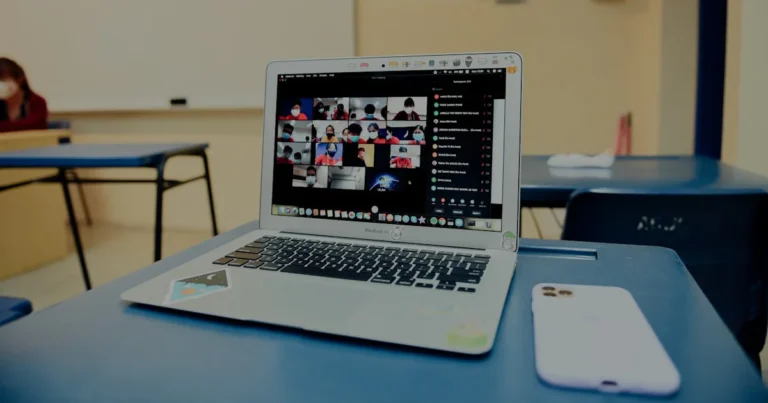
Crowdfunding platforms like DonorsChoose allow teachers to create a specific project (e.g., “Classroom Library Books”) and share it with a network of potential donors. Donors can choose to fund the entire project or a part of it. Once funded, the items are purchased and shipped directly to the school. This method is highly effective because it provides transparency and allows donors to see exactly what their money is buying.
Read more about “How Can Teachers Get Free or Low-Cost Supplies for Their Students? 🎒 (2026)”
What are the best grant opportunities for funding educational materials?
There are several excellent grant opportunities available:
- NEA Foundation Grants: Offers grants for professional development and classroom projects.
- Kids in Need Foundation: Provides grants and supplies to teachers in need.
- Local Education Foundations: Many school districts have their own foundations that offer grants for specific needs.
- Corporate Grants: Companies like Target and Walmart offer grants for classroom supplies.
Read more about “💸 How Much Do Teachers Spend on Supplies in 2025? (The Shocking Truth)”
How do I organize a successful classroom supply drive with parents?
- Create a Wish List: Make a detailed list of the supplies you need.
- Communicate Clearly: Send a letter or email to parents explaining the need and how they can help.
- Set Up a Drop-Off Point: Designate a specific time and place for parents to drop off donations.
- Show Appreciation: Thank parents for their contributions and share photos of the supplies in use.
Read more about “… The Ultimate Teacher Supply List: Must-Have Classroom Essentials”
Are there tax deductions available for teachers who buy their own learning materials?
Yes, teachers can often deduct unreimbursed classroom expenses on their federal tax return, up to a certain limit (currently $30 for single filers, $60 for married filing jointly). However, this is an itemized deduction, so you need to itemize your deductions to claim it. Consult with a tax professional for specific advice.
What if my school doesn’t allow food sales?
If your school has a “no food” policy, consider non-food alternatives like:
- Craft Sales: Sell student-made art or jewelry.
- Service Events: Offer car washes or yard work.
- Digital Fundraising: Use crowdfunding platforms.
- Book Drives: Collect and sell used books.
How do I handle taxes on a bake sale?
In many states, occasional bake sales are exempt from sales tax. However, if you’re selling food regularly, you may need to collect and remit sales tax. Check your local laws and consult with a tax professional.
📚 Reference Links
- U.S. National Center for Educational Statistics: Teacher Spending on Supplies
- Funraise: 48 Good Fundraising Ideas for Schools
- FreeFunder: Fundraising for First-Time Teachers
- eLearning Industry: 5 Awesome Education Fundraising Ideas
- DonorsChoose: About Us
- ClassTag: How It Works
- NEA Foundation: Grants
- Kids in Need Foundation: Grants