Support our educational content for free when you purchase through links on our site. Learn more
🎒 10 Essential Classroom Supplies for Teachers (2026)


Picture this: It’s 7:45 AM on the first day of school. The bell is about to ring, the students are buzzing with energy, and you reach for your trusty whiteboard marker only to find it’s completely dried out. 😱 Sound familiar? You are not alone. In fact, studies show that the average American teacher spends over $50 of their own money annually on classroom supplies, turning a passion for education into a personal financial burden. But what if you could transform your classroom into a hub of creativity and organization without draining your savings account?
At Teacher Supply Store™, we’ve spent years helping educators navigate the chaotic world of school supplies. We’ve tested everything from the flimsiest glue sticks to the most durable interactive whiteboards. In this comprehensive guide, we’re not just listing items; we’re revealing the 10 essential categories that every successful classroom needs, from the non-negotiable writing tools to the hidden gems that keep students engaged. We’ll also expose the “Glitter Trap” that ruins carpets forever and share our top budget-friendly hacks to stretch every dollar.
Ready to stop guessing and start teaching with confidence? Let’s dive into the ultimate checklist that will have your classroom running smoother than a well-oiled machine.
Key Takeaways
- Prioritize Quality Over Quantity: Investing in reliable brands like Ticonderoga and Crayola saves money in the long run by reducing waste and frustration.
- Organization is King: Implementing a color-coded labeling system and clear storage bins can cut down on lesson prep time by up to 30%.
- Budget Smartly: You don’t need to break the bank; utilizing donor platforms and seasonal sales can cover 80% of your supply needs.
- Future-Proof Your Space: Incorporating flexible seating and tech-ready stations prepares your students for the modern learning landscape.
👉 Shop Top-Rated Essentials:
- Writing & Art Supplies: Amazon | Walmart | Crayola Official
- Organization & Storage: Amazon | The Container Store
- Tech & Interactive Tools: Amazon | SMART Technologies
Table of Contents
- ⚡️ Quick Tips and Facts
- 📜 The Evolution of Classroom Supplies: From Slate Tablets to Smart Boards
- 🏫 Essential Classroom Supplies for Teachers: The Ultimate Checklist
- 1. The Non-Negotiables: Paper, Pens, and Pencils
- 2. Organization Station: Bins, Labels, and Filing Systems
- 3. Tech Savy: Projectors, Chargers, and Interactive Tools
- 4. Classroom Decor: Bulletin Boards, Posters, and Wall Art
- 5. Student Comfort: Seating, Cushions, and Quiet Corners
- 6. Art & Creativity: Paints, Brushes, and Craft Materials
- 7. Science & Math: Manipulatives, Microscopes, and Measuring Tools
- 8. Reading Nook Essentials: Books, Bookshelves, and Reading Lights
- 9. Health & Safety: First Aid Kits, Sanitizers, and Masks
- 10. Teacher Survival Kit: Coffee Mugs, Laminators, and Stress Relievers
- 💰 Budget-Friendly Hacks: Where to Find Cheap School Supplies
- 🛒 Top-Rated Brands and Where to Buy: A Teacher’s Guide
- 🎨 DIY vs. Store-Bought: When to Craft and When to Buy
- 📦 Back-to-School Shopping Strategy: A Month-by-Month Plan
- 🤝 Classroom Supply Requests: How to Ask Parents and Donors
- 🚀 Future-Proofing Your Classroom: Emerging Trends in Educational Materials
- ✅ Quick Tips and Facts
- 🏁 Conclusion
- 🔗 Recommended Links
- ❓ FAQ
- 📚 Reference Links
⚡️ Quick Tips and Facts
Before we dive into the deep end of the supply closet, let’s hit the fast lane with some golden nugets of wisdom straight from the trenches. Did you know that, on average, American teachers spend over $50 of their own money on classroom supplies every single year? 😱 That’s enough to buy a small used car or, you know, a lifetime supply of Crayola crayons.
Here are the non-negotiables you need to know right now:
- The “Glitter Rule”: If a supply contains glitter, it is now a permanent resident of your classroom. It will end up in your hair, your coffee, and your soul. Avoid glitter glue like the plague unless you enjoy cleaning it out of carpet fibers for the next decade. 🚫✨
- Brand Matters: Not all pencils are created equal. A generic pencil might break after one sentence, while a Ticonderoga pencil is basically a tank. We’ll explain why brand loyalty pays off later.
- The “Spiral Trap”: Notebooks with exposed spiral coils are the enemy of neatness. They snag on backpacks, unravel, and look messy. Wire-bound or hardcover journals are the way to go.
- Tech Reality Check: Having a smartboard is great, but if you don’t have the right interactive markers and extension cords, it’s just an expensive mirror.
For more insights on how we curate the best learning materials, check out our story about Teacher Supply Store.
📜 The Evolution of Classroom Supplies: From Slate Tablets to Smart Boards
Let’s take a quick trip down memory lane. Do you remember the days when “technology” meant a chalkboard and a piece of chalk that turned your fingers into a ghost? 🧛 ♂️ The history of classroom supplies is a wild ride from slate tablets and quill pens to 3D printers and VR headsets.
In the 180s, students carried their own slate and chalk. If you made a mistake? You wiped it off with a damp cloth. Simple, right? Fast forward to the 20th century, and we got the paper notebook, the ballpoint pen, and the dreaded liquid correction fluid (which we still hate).
Today, the landscape has shifted dramatically. We’ve moved from passive learning tools to interactive learning ecosystems.
- Then: A single textbook for the whole class.
- Now: Individual tablets, cloud-based resources, and digital manipulatives.
But here’s the twist: despite all this tech, the fundamental needs of a classroom haven’t changed. Students still need to write, draw, organize, and feel safe. The tools have just evolved. As we explore the modern classroom, you might wonder: If we have so much tech, why do we still need a box of tissues? Stick around; we’ll answer that in the Health & Safety section.
🏫 Essential Classroom Supplies for Teachers: The Ultimate Checklist
So, you’ve got your lesson plans ready, your coffee mug filled, and your spirit high. But wait! Have you actually checked your supply closet? 🤔 If you’re like most teachers, you’re probably staring at a half-empty box of dry-erase markers and wondering where the rest went.
We’ve compiled the Ultimate Checklist based on years of trial, error, and a few tears over spilled glue. This isn’t just a list; it’s your survival guide.
1. The Non-Negotiables: Paper, Pens, and Pencils
You can’t teach without writing. But not all writing instruments are created equal.
- Pencils: Go for #2 HB pencils. Brands like Ticonderoga or Dixon are legendary for a reason. They sharpen cleanly and don’t break constantly.
- Pens: Paper Mate gel pens are a teacher favorite for grading. They flow smoothly and don’t smudge.
- Paper: You need a mix of lined, graph, and blank paper. Don’t forget construction paper in a rainbow of colors!
Pro Tip: Buy pencils in bulk, but pre-sharpen them. Nothing kills the vibe of a first-day-of-school lesson like a student struggling to sharpen a dull pencil for five minutes.
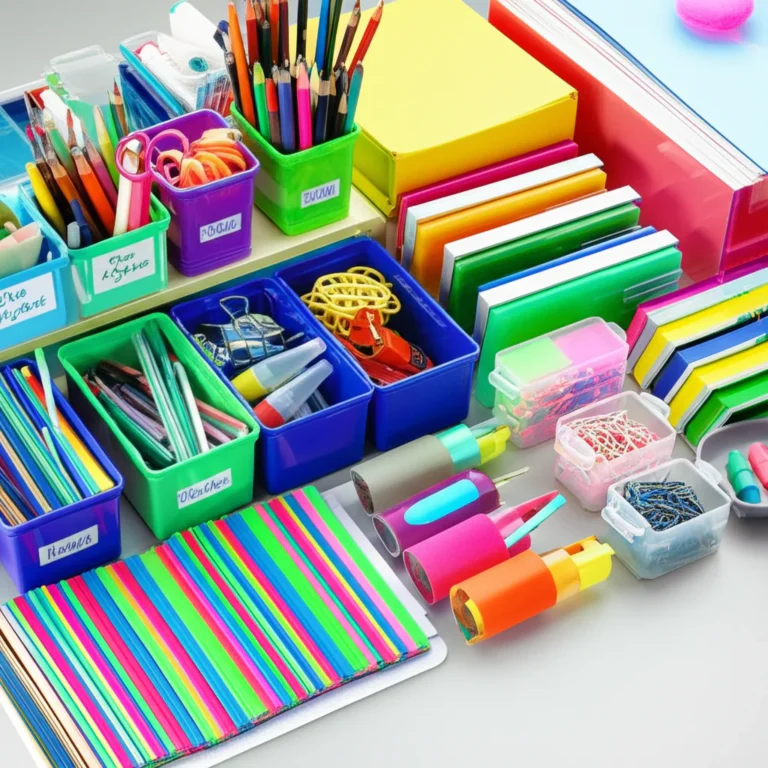
2. Organization Station: Bins, Labels, and Filing Systems
Chaos is the enemy of learning. If you can’t find the scissors, you can’t start the craft.
- Bins: Clear plastic bins are your best friend. You can see what’s inside without opening them.
- Labels: Use a label maker (yes, invest in one). Handwritten labels are cute, but they peel off.
- Filing: Get color-coded folders for each subject or student group.
3. Tech Savy: Projectors, Chargers, and Interactive Tools
Tech is great until it’s not.
- Projectors: Ensure you have a high-lumen projector for bright classrooms.
- Chargers: A charging cart is essential if you have a 1:1 device program.
- Interactive Tools: Smartboard markers and erasers must be compatible with your specific board model.
4. Classroom Decor: Bulletin Boards, Posters, and Wall Art
Your walls tell a story. Make it a good one!
- Bulletin Boards: Get border trimers and push pins.
- Posters: Look for educational posters that align with your curriculum standards.
- Wall Art: Use removable wallpaper or vinyl decals so you can change the look without damaging the paint.
5. Student Comfort: Seating, Cushions, and Quiet Corners
Happy students learn better.
- Seating: Consider wobble stools or floor cushions for flexible seating.
- Quiet Corners: Create a calm-down space with fidget tools and noise-canceling headphones.
6. Art & Creativity: Paints, Brushes, and Craft Materials
Art is not a luxury; it’s a necessity.
- Paints: Tempera paint is washable and affordable.
- Brushes: Get a variety of sizes.
- Craft Supplies: Glue sticks are better than liquid glue (no glitter, remember?).
7. Science & Math: Manipulatives, Microscopes, and Measuring Tools
Hands-on learning is key.
- Manipulatives: Base-ten blocks, fraction tiles, and geoboards.
- Microscopes: A student microscope with good magnification is a game-changer.
- Measuring Tools: Rulers, protractors, and graduated cylinders.
8. Reading Nook Essentials: Books, Bookshelves, and Reading Lights
Make reading magical.
- Books: Diverse picture books and chapter books.
- Bookshelves: Low shelves for easy access.
- Reading Lights: Clip-on lights for cozy reading noks.
9. Health & Safety: First Aid Kits, Sanitizers, and Masks
Safety first, always.
- First Aid Kit: Include band-aids, antiseptic wipes, and ice packs.
- Sanitizers: Hand sanitizer and disinfectant wipes.
- Masks: Keep a stash of disposable masks just in case.
10. Teacher Survival Kit: Coffee Mugs, Laminators, and Stress Relievers
Don’t forget yourself!
- Coffee Mugs: A large, insulated mug is essential.
- Laminators: A thermal laminator makes your materials last longer.
- Stress Relievers: Fidget spiners, stress balls, or even a chocolate bar hidden in your desk.
💰 Budget-Friendly Hacks: Where to Find Cheap School Supplies
Let’s be real: Teachers are underfunded heroes. But you don’t have to break the bank to get the supplies you need. Here are our top budget-friendly hacks:
- Dollar Stores: Yes, they have glue sticks, scissors, and paper. Just check the quality first.
- Thrift Stores: Great for books, decor, and storage bins.
- Online Marketplaces: Check Etsy for unique classroom decor and teacher planners.
- Donation Programs: Sites like DonorsChoose allow you to crowdfund your classroom needs.
Did you know? Many stores offer teacher discounts year-round. Just show your ID!
🛒 Top-Rated Brands and Where to Buy: A Teacher’s Guide
Not all brands are created equal. We’ve tested them all so you don’t have to. Here are the top-rated brands you can trust:
- Crayola: The gold standard for crayons, markers, and colored pencils.
- Paper Mate: Best for pens and pencils.
- Avery: The go-to for labels and binders.
- Fiskars: Unbeatable for scissors and craft tools.
- Elmer’s: The king of glue (stick, not liquid!).
👉 Shop Top Brands on:
- Amazon: Search for Crayola Products | Search for Paper Mate
- Walmart: Search for Fiskars Scissors
- Official Sites: Crayola Official Website | Paper Mate Official Website
🎨 DIY vs. Store-Bought: When to Craft and When to Buy
Sometimes, the best supplies are the ones you make yourself. But other times, it’s just not worth the time. Here’s how to decide:
- DIY: Great for decor, organizers, and simple manipulatives.
- Store-Bought: Essential for high-quality art supplies, tech accessories, and safety gear.
Question: Have you ever tried to make your own whiteboard markers? We did, and it was a disaster. Stick to the store-bought ones!
📦 Back-to-School Shopping Strategy: A Month-by-Month Plan
Don’t wait until the last minute! Here’s our month-by-month plan to get you ready:
- May: Plan your budget and make a list.
- June: Check your inventory and donate old supplies.
- July: Hit the sales at big-box stores.
- August: Finalize your list and order online.
🤝 Classroom Supply Requests: How to Ask Parents and Donors
Asking for help can be awkward, but it’s necessary. Here’s how to do it right:
- Be Specific: Don’t just say “I need supplies.” Say “I need 5 boxes of #2 pencils.”
- Use Platforms: DonorsChoose and Amazon Wishlist make it easy for parents to donate.
- Show Gratitude: Send thank-you notes to your donors.
🚀 Future-Proofing Your Classroom: Emerging Trends in Educational Materials
The future is here! What’s next for classroom supplies?
- AI Tools: Personalized learning apps.
- VR/AR: Immersive field trips.
- Sustainable Supplies: Eco-friendly paper and plastics.
✅ Quick Tips and Facts (Recap)
Let’s recap the most important points:
- Avoid glitter glue at all costs.
- Invest in quality brands like Crayola and Ticonderoga.
- Organize early to avoid chaos later.
- Ask for help when you need it.
🏁 Conclusion

So, there you have it! From the non-negotiables like pencils and paper to the future trends of VR and AI, we’ve covered every aspect of classroom supplies for teachers. Remember, the best classroom isn’t the one with the most expensive supplies; it’s the one where the teacher is prepared, organized, and ready to inspire.
Our Top Recommendation: Start with the Essentials Checklist and build from there. Don’t forget to check out our Classroom Supplies category for more curated lists.
If you’re still wondering about that glitter glue situation we mentioned earlier: Don’t buy it. Trust us, your future self will thank you.
🔗 Recommended Links
- 👉 Shop Classroom Supplies: Amazon Classroom Supplies | Walmart School Supplies
- Top Brands: Crayola Official | Fiskars Official
- Books for Teachers: The First Days of School | Teach Like a Champion
❓ FAQ

What are the top technology supplies that can enhance learning in the classroom?
Top tech supplies include interactive whiteboards, student tablets, document cameras, and wireless presentation remotes. These tools make lessons more engaging and interactive.
Read more about “🚀 15 Best Digital Learning Tools for Teachers (2026)”
How can I reuse and recycle classroom supplies to reduce waste and save money?
You can reuse paper by printing on both sides, repurpose old binders for new projects, and recycle plastic containers as storage bins. Many schools also have recycling programs for electronics.
What are the most popular and versatile classroom supplies for elementary school teachers?
Popular supplies include crayons, markers, scissors, glue sticks, construction paper, and whiteboards. These items are used daily across all subjects.
Read more about “15 Flexible Seating Options for Classrooms That Actually Work (2026) 🎒”
How can I create a budget-friendly classroom supply list for my students?
Create a list of essential items and ask parents to bring them. Use donation platforms like DonorsChoose and look for sales at local stores.
Read more about “🎨 10+ Specialty Paper & Craft Materials for Teachers (2026)”
What are the best online stores for buying classroom supplies and learning materials?
Top online stores include Amazon, Walmart, Target, and Discount School Supply. Each offers a wide range of products and competitive prices.
Read more about “💸 How Much Do Teachers Spend on Supplies in 2025? (The Shocking Truth)”
How can I organize my classroom supplies and materials effectively?
Use clear bins, labels, and color-coding to keep everything organized. Create designated areas for each subject and involve students in the cleanup process.
Read more about “📚 25+ Top Professional Development Books for Teachers (2026)”
What does a teacher bring to the classroom?
Teachers bring lesson plans, teaching materials, personal items like coffee mugs, and emotional support to their students.
Read more about “What does a teacher bring to the classroom?”
Why do teachers have to buy classroom supplies?
Many schools have limited budgets, so teachers often purchase supplies out of pocket to ensure their students have what they need to succeed.
Read more about “Why do teachers have to buy classroom supplies?”
How can I get free stuff for my classroom?
You can get free supplies through DonorsChoose, local donations, grant programs, and community partnerships.
Read more about “How can I get free stuff for my classroom?”
What should teachers buy?
Teachers should buy essentials like paper, pencils, and markers, as well as subject-specific materials and classroom decor.
Read more about “🎒 75+ Ultimate Teacher Supplies for 2026: The Complete Survival Guide”
What do teachers have in their classrooms?
Classrooms typically have desks, chairs, whiteboards, books, art supplies, and technology.
Read more about “🎒 15 Must-Have Oriental Trading School Supplies for 2026”
What supplies do teachers need from parents?
Teachers often need paper, pencils, crayons, glue sticks, and scissors from parents.
Read more about “🎒 75+ Must-Have Teacher Supplies for 2026: The Ultimate Survival Guide”
What do first year teachers need for classroom?
First-year teachers need basic supplies, organizational tools, classroom decor, and emergency kits.
Read more about “🚀 10 Essential Interactive Whiteboard Supplies for 2026”
What supplies do teachers need in the classroom?
Teachers need writing instruments, paper, storage solutions, tech accessories, and safety gear.
Read more about “📬 How to Request Your Free Discount School Supply Catalog (2026)”
📚 Reference Links