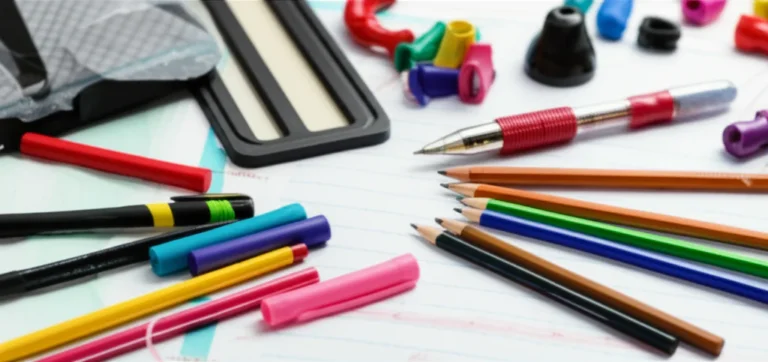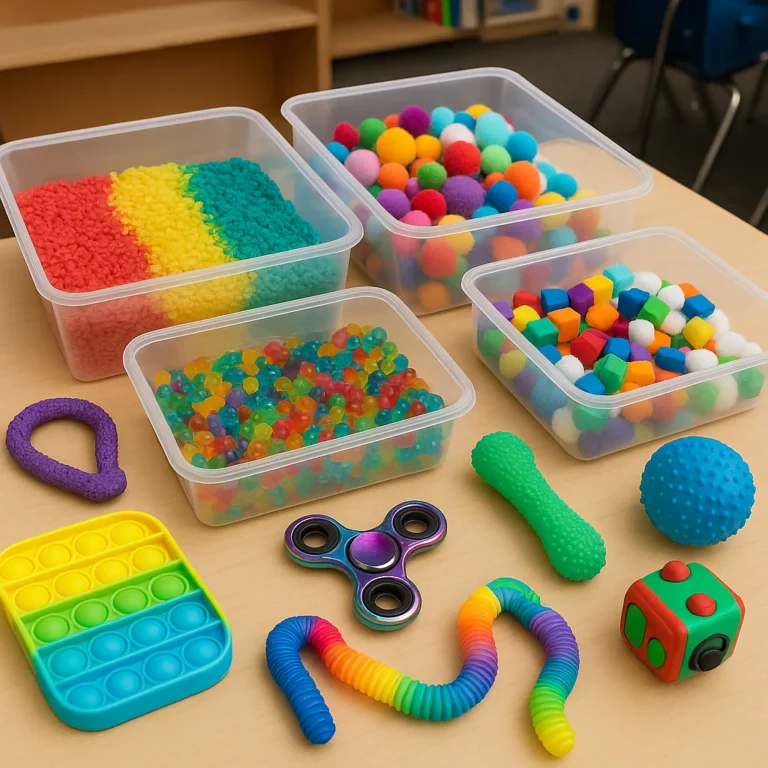
Support our educational content for free when you purchase through links on our site. Learn more
🌟 15 Top Sensory Learning Materials for Special Needs (2026)

Imagine a classroom where every child, regardless of their unique sensory profile, can find their rhythm, focus, and joy. For too long, educators and parents have struggled to bridge the gap between a child’s sensory needs and the tools available to support them. At Teacher Supply Store™, we’ve seen firsthand how the right sensory learning materials can transform a chaotic meltdown into a moment of calm, or turn a distracted student into an engaged learner. Whether you’re a special education teacher looking to revamp your classroom or a parent seeking strategies for home, this guide is your ultimate roadmap. We’ve curated a list of 15 must-have sensory tools, from weighted blankets to DIY sensory bins, that are proven to support neurodiverse learners. But here’s a little secret we’ll reveal later: the most effective tool isn’t always the most expensive one; sometimes, it’s about understanding the why behind the what.
Did you know that up to 90% of children with Autism Spectrum Disorder (ASD) experience sensory processing differences? That’s a staggering number, yet finding the right support can feel like searching for a needle in a haystack. This article dives deep into the science of sensory processing, breaks down the best products by age and need, and even shares real-life success stories of students who found their voice through these materials. We’ll also tackle the age-old debate: DIY vs. Store-Bought, giving you the insider scoop on when to craft your own and when to invest in professional-grade gear. By the end, you’ll have a clear, actionable plan to create a sensory-friendly environment that empowers every learner to thrive.
Key Takeaways
- Personalization is Paramount: There is no “one-size-fits-all” solution; effective sensory support requires observing individual sensory profiles (seekers vs. avoiders) to select the right tools.
- Proactive Over Reactive: Implementing a customizable sensory diet helps prevent meltdowns by meeting sensory needs before they escalate, rather than just reacting to dysregulation.
- Environment Matters: Creating a sensory-friendly space with controlled lighting, reduced noise, and designated calm zones is just as critical as the tools themselves.
- Safety First: Always prioritize non-toxic, durable, and age-appropriate materials, especially for items that may be mouthed or used for deep pressure.
- Hybrid Approach Works Best: Combining cost-effective DIY projects with high-quality, specialized store-bought items often yields the most comprehensive and sustainable results.
👉 Shop Essential Sensory Categories:
- 👉 Shop Weighted Products: Weighted Blankets & Lap Pads on Amazon | Weighted Products at Fun and Function
- 👉 Shop Fidgets & Tactile Tools: Fidget Toys on Amazon | Therapeutic Fidgets at Therapro
- 👉 Shop Sensory Bins & Tables: Sensory Bins on Amazon | Sensory Tables at Lakeshore Learning
- 👉 Shop Oral Motor Tools: Chewelry & Oral Tools at ARK Therapeutic | Chewelry on Amazon
Table of Contents
- ⚡️ Quick Tips and Facts
- 🧠 The Evolution of Sensory Learning: From History to Modern Special Needs Education
- 🔍 Understanding Sensory Processing: Why Materials Matter for Neurodiverse Learners
- 🏆 Top 15 Must-Have Sensory Learning Materials for Special Needs Classrooms and Homes
- 👶 Sensory Learning Materials by Age Group: Tailoring Tools for Every Stage
- Infants and Todlers: Building Foundations Through Touch and Sound
- Preschoolers: Exploring the World with Structured Play
- Elementary Students: Balancing Focus and Movement in the Classroom
- Tens and Young Adults: Advanced Tools for Independence and Self-Regulation
- 🏫 Creating a Sensory-Friendly Environment: Setup, Safety, and Success
- 🧩 DIY vs. Store-Bought: When to Craft Your Own Sensory Tools
- 👩 🏫 How Teachers and Parents Can Integrate Sensory Materials into Daily Routines
- 🚫 Common Mistakes to Avoid When Selecting Sensory Learning Materials
- 💡 Real-Life Success Stories: How Sensory Tools Transformed Learning
- ❓ Frequently Asked Questions About Sensory Learning Materials
- 🔗 Recommended Links and Trusted Resources
- 📚 Reference Links and Scientific Studies
- 🏁 Conclusion: Empowering Every Learner Through Sensory Support
⚡️ Quick Tips and Facts
Welcome to Teacher Supply Store™! We’re thrilled to share our expert insights on a topic near and dear to our hearts: sensory learning materials for special needs. As educators who’ve spent years in classrooms and working
with families, we know firsthand the transformative power of the right sensory tools. Here are some quick, impactful facts and tips to get you started on your journey to creating a more inclusive and engaging learning environment!
- Sensory input
isn’t just for play; it’s vital for learning! Many neurodiverse learners, including those with Autism Spectrum Disorder (ASD) or Sensory Processing Disorder (SPD), rely on specific sensory input to regulate their bodies and minds,
making them more receptive to academic instruction. - Every child is unique. What works wonders for one student might be overwhelming for another. Observation is your superpower! Pay close attention to how a
child responds to different textures, sounds, lights, and movements. - A “sensory diet” isn’t food-related! It’s a personalized plan of sensory activities designed to help an individual regulate their sensory needs
throughout the day. Think of it as a balanced meal plan for the senses! - Don’t underestimate the power of proprioceptive and vestibular input. These often-overlooked senses (body awareness and balance/movement) are crucial
for grounding, focus, and motor skill development. - Safety first, always! When selecting sensory materials, prioritize non-toxic, durable, and age-appropriate items. Always supervise children, especially with smaller components or items that could
be chewed. - DIY is your friend! While many fantastic commercial products exist, some of the most effective sensory tools can be made with everyday items. We’ll explore this more later!
- Consistency is
key. Integrating sensory breaks and tools into daily routines, both at school and at home, yields the best results. - Collaboration is crucial. Teachers, parents, occupational therapists, and other specialists working together create the most comprehensive and
supportive plan for a child.
🧠 The Evolution of Sensory Learning:
From History to Modern Special Needs Education
Ever wonder where the idea of “sensory learning” even came from? It might seem like a modern buzzword, but the roots of understanding how our senses impact learning stretch back centuries! We,
as educators, find this historical journey fascinating because it truly underscores why these materials are so vital today.
Historically, early educators like Maria Montessori (early 20th century) were pioneers in recognizing the importance of hands-on, sensory
-rich experiences for all children. She believed that children learn best by doing, touching, and exploring their environment, developing materials like sandpaper letters and geometric solids to engage multiple senses simultaneously. Her philosophy, revolutionary at the time, laid foundational groundwork for what
we now understand as sensory integration.
Fast forward to the mid-20th century, and we see the emergence of Sensory Integration Theory, primarily developed by occupational therapist **Dr. A. Jean Ayres
**. Dr. Ayres observed that some children struggled to process and organize sensory information from their bodies and the environment, leading to challenges in learning, behavior, and social interaction. She theorized that providing specific, controlled sensory experiences could help the
brain better organize this input, improving overall function. This was a game-changer, shifting the focus from just treating symptoms to addressing the underlying sensory processing challenges.
In the decades since, our understanding of the brain and neurodiversity has exploded
. We’ve moved from a one-size-fits-all educational model to one that increasingly values individualized learning and inclusive practices. For students with special needs, particularly those with Autism Spectrum Disorder, ADHD, or Sensory Processing Disorder, sensory
learning materials are no longer just “nice-to-haves” – they are essential tools for accessing the curriculum, managing self-regulation, and fostering independence.
Today, modern special needs education embraces a holistic approach, recognizing that a
child’s sensory world profoundly impacts their ability to learn, communicate, and thrive. From specialized sensory rooms to everyday classroom fidgets, the evolution of sensory learning has brought us to a point where we can truly tailor educational experiences to meet the unique
sensory profiles of every learner. It’s an exciting time to be an educator, armed with so many effective tools!
🔍 Understanding Sensory Processing: Why Materials Matter for Neurodiverse Learners
Alright, let’s get down to brass tacks: what exactly is sensory processing, and why does it feel like such a big deal for
our neurodiverse learners? Think of your brain as a super-efficient air traffic controller, constantly taking in information from all your senses, organizing it, and then telling your body how to respond. That’s sensory processing in a nutshell!
For most of us, this happens seamlessly, almost without thought. But for many children with special needs, that air traffic control tower can get a little… chaotic.
Neurodiverse learners, such as those with Autism Spectrum Disorder (ASD),
ADHD, or Sensory Processing Disorder (SPD), often experience sensory input in ways that differ significantly from their neurotypical peers. This isn’t a choice; it’s how their brains are wired! They might be:
- Hypersensitive (over-responsive): Imagine a tag in your shirt feeling like sandpaper, or a normal classroom hum sounding like a roaring jet engine. These children can be easily overwhelmed by sensory input that others barely notice.
Hyposensitive (under-responsive): On the flip side, some children might need more intense sensory input to even register it. They might constantly seek out strong flavors, loud noises, or intense pressure.
Sensory Seekers:** These learners actively look for specific types of sensory input, often appearing restless or constantly moving.
- Sensory Avoiders: These individuals try to minimize or escape certain sensory experiences that they find overwhelming or uncomfortable
.
When a child’s sensory system isn’t processing information efficiently, it can lead to a cascade of challenges: difficulty focusing, emotional meltdowns, coordination issues, communication barriers, and even safety concerns. This is where **
sensory learning materials** become absolute superheroes!
Why do these materials matter so much?
- Regulation: They provide the specific input a child needs to feel calm, focused, or alert. A weighted lap pad might
offer grounding pressure, while a fidget toy can channel restless energy. - Engagement: By appealing to a child’s preferred sensory channels, these materials can make learning more accessible and enjoyable. “Sensory exploration is a blast with our sand
and water tables, hands-on sensory materials, and colorful light tables and manipulatives!” - Skill Development: Many sensory tools are cleverly designed to simultaneously develop fine motor skills, gross motor skills,
problem-solving, and even social-emotional understanding. - Communication: For non-verbal or minimally verbal students, sensory materials can offer a pathway for interaction and expression.
- Independence: Learning to identify and meet
their own sensory needs with appropriate tools empowers children to self-regulate and advocate for themselves.
At Teacher Supply Store™, we’ve seen countless times how a simple change in materials can unlock a child’s potential. It’s not about
curing a condition; it’s about providing the right support to help every single learner thrive in their unique way.
🏆 Top 15 Must-Have Sensory Learning Materials for Special Needs Classrooms and Homes
Alright, buckle up, fellow educators and parents! We’ve talked about the ”
why” behind sensory learning, and now it’s time for the “what.” Drawing from our team’s extensive experience and countless conversations with families, we’ve curated a list of 15 absolute must-have sensory learning materials that
can make a monumental difference in both classrooms and homes. These aren’t just toys; they’re powerful tools for regulation, engagement, and development.
1. <a id=”1-weighted-blankets-and-
lap-pads-for-dep-pressure-therapy”>Weighted Blankets and Lap Pads for Deep Pressure Therapy
Oh, the magic of a good weighted blanket or lap pad! These are often the first thing we recommend when a child needs a
little extra help feeling grounded and calm. The concept is simple: deep pressure touch provides proprioceptive input, which can be incredibly organizing and soothing for many individuals, especially those with anxiety, ADHD, or ASD.
| Aspect | Rating (1-10) |
|---|---|
| Design | 8 |
| Functionality | 10 |
| Durability | 9 |
| Engagement | 7 |
| Versatility | 8 |
What They Are
Weighted blankets are exactly what they sound like – blankets filled with plastic pellets or glass beads to provide evenly distributed weight. Weighted lap pads
are smaller, portable versions perfect for classroom desks or car rides.
Why We Love Them
We’ve witnessed firsthand how a weighted lap pad can transform a wiggly, distracted student into one who can sit and focus for longer periods. It
‘s like a gentle, comforting hug that tells the nervous system, “It’s okay, you’re safe.” For children who are sensory seekers, this deep pressure can satisfy an intense need, reducing fidgeting and increasing attention.
For those who are overwhelmed, it offers a sense of security.
Tips for Use
- Start slow: Introduce weighted items gradually. A lap pad is a great starting point.
- Weight matters: The general
guideline is 10% of the child’s body weight plus one pound for blankets, but always consult with an occupational therapist for personalized recommendations. - Not for sleep only: While great for bedtime, they are also fantastic
for quiet time, reading, or during tasks requiring concentration. - Brand Recommendation: Harkla Weighted Blankets are known for their quality and range of options. For lap pads, Fun and Function offers a
great selection.
Potential Drawbacks
❌ Can be heavy and cumbersome for younger children to manage independently.
❌ Incorrect weight can be ineffective or even uncomfortable. Always check with a professional.
👉 Shop Weighted Blankets and Lap Pads on:
- Harkla: Harkla Official Website
- Fun and Function: Fun and Function Official Website
- Amazon: Weighted Blankets on Amazon | Weighted Lap Pads on Amazon
2. <a id=”2-tactile-fidgets-and
-stress-balls-for-focus-and-anxiety-relief”>Tactile Fidgets and Stress Balls for Focus and Anxiety Relief
Who among us hasn’t squeezed a stress ball during a particularly intense meeting? F
idgets aren’t just for kids! For many neurodiverse learners, especially those with ADHD or anxiety, having something to manipulate with their hands can be a game-changer for focus and self-regulation.
| Aspect | Rating (1-10) |
|---|---|
| Design | 9 |
| Functionality | 10 |
| Durability | 8 |
| Engagement | 9 |
| Versatility | 10 |
What They Are
Tactile fidgets encompass a huge range of small, handheld objects designed for discreet manipulation. This includes everything from classic stress balls and squ
ishies to more complex items like fidget cubes, pop-its, and textured rings.
Why We Love Them
We’ve seen students who struggle to sit still suddenly become attentive when given a discreet fidget. It provides an outlet for excess
energy, allowing their brains to better process auditory and visual information. For anxious students, the repetitive motion can be incredibly calming. Plus, they’re portable and relatively inexpensive, making them accessible tools for almost any setting.
Tips for Use
Discreet is best: Choose fidgets that are quiet and won’t distract others.
- Variety is key: Offer a range of textures, shapes, and resistance levels. Some kids prefer smooth, others bumpy; some like
soft, others firm. - Establish rules: Teach children when and how to use fidgets appropriately (e.g., “This is for your hands, not for throwing”).
- Brand Recommendation: **
Therapro** has an excellent selection of therapeutic fidgets. We also love the variety from Speks and classic Tangle Jr. fidgets.
Potential Drawbacks
❌ Can become a distraction if not used appropriately or if
the item itself is too stimulating.
❌ Durability can vary greatly between brands and types of fidgets.
👉 Shop Fidgets and Stress Balls on:
- Therapro: Therapro Fidgets
- Speks: Speks Official Website
- Amazon: Fidget Toys on Amazon | Stress Balls on Amazon
While not “tactile” in the traditional sense, visual supports
are crucial sensory learning materials for many neurodiverse learners, particularly those with ASD. They provide a sense of predictability and structure that can significantly reduce anxiety and improve transitions.
| Aspect | Rating (1-10) |
|---|---|
| Design | 9 |
| Functionality | 10 |
| Durability | 8 |
| Engagement | 9 |
| Versatility | |
| 10 |
What They Are
Visual schedules use pictures or symbols to represent a sequence of activities or events. They can be daily, weekly, or for a specific task. Social stories, developed by Carol
Gray, are short, descriptive narratives that explain social situations, cues, and appropriate responses in a way that is understandable for individuals with ASD.
Why We Love Them
“The TEA coordinates with the American Printing House for the Blind (APH) to
provide instructional materials for qualifying students.” While APH focuses on visual impairments, the principle of providing accessible instructional materials is universal. For many of our students, verbal instructions can be fleeting and abstract. Visual schedules provide
concrete, tangible representations of what’s coming next, reducing uncertainty and allowing for smoother transitions. Social stories help demystify social interactions, building confidence and reducing anxiety in new situations. We’ve seen meltdowns averted simply by pointing
to a “first/then” board!
Tips for Use
-
Keep it simple: Use clear, unambiguous pictures or photos.
-
Be consistent: Use schedules regularly so children learn to rely on them.
-
Involve the child: Let them help create or manipulate the schedule when appropriate.
-
Personalize social stories: Tailor them to specific situations and the child’s individual needs.
-
Brand Recommendation
: While many teachers create their own, resources like Boardmaker software provide extensive symbol libraries. Lakeshore Learning also offers ready-made visual schedule components.
Potential Drawbacks
❌ Requires consistent updating and maintenance.
❌ May need to be highly individualized, which can be time-consuming.
👉 Shop Visual Schedule Resources on:
- Boardmaker: Boardmaker Official Website
- Lakes
hore Learning: Lakeshore Learning Visual Schedules - Amazon: Visual Schedules for Kids on Amazon | Social Stories Books on Amazon
4. Noise-Canceling Headphones and Sound Dampening Tools
Imagine trying to learn when every
cough, chair scrape, and whispered conversation sounds like a blaring siren. For auditory-sensitive learners, this is their reality. Noise-canceling headphones and sound dampening tools are unsung heroes in creating a more accessible learning environment.
| Aspect | Rating (1-10) |
|---|---|
| Design | 7 |
| Functionality | 10 |
| Durability | 8 |
| Engagement | 6 |
| Versatility | 9 |
What They Are
Noise-canceling headphones actively reduce ambient noise, while sound dampening tools (like acoustic panels, quiet corners, or even simple earplugs) passively absorb or block sound.
Why We Love Them
We’ve seen the sheer relief on a child’s face when they put on a pair of noise-canceling headphones in
a busy classroom. It’s not about shutting out the world entirely, but about creating a personal “bubble” where they can process information without being overwhelmed by auditory distractions. This allows them to focus on the teacher’s voice, a reading
assignment, or an independent task. The Texas Education Agency (TEA) emphasizes creating supportive environments for students with sensory impairments, and managing auditory input is a huge part of that.
Tips for Use
- Introduce
gently: Some children might initially resist headphones. Start with short periods in a quiet environment. - Offer choices: Let the child choose their headphones if possible, as comfort is key.
- Teach appropriate use: Explain
that they are for focus, not for tuning out instructions. - Consider quiet corners: Combine headphones with a designated quiet space for maximum effect.
- Brand Recommendation: Bose QuietComfort or Sony WH
-1000XM series are top-tier for active noise cancellation. For more budget-friendly and child-specific options, Peltor Kid Earmuffs are excellent passive noise reducers.
Potential Drawbacks
❌ Can sometimes isolate children if overused or not integrated properly.
❌ Battery life can be an issue with active noise-canceling models.
👉 Shop Noise-Canceling Headphones and Earmuffs on:
- Bose: Bose QuietComfort Headphones
- Peltor: Peltor Kid Earmuffs on Amazon
- Amazon: Noise Canceling Headphones for Kids on Amazon
5. <a id=”5-sensory
-bins-and-tactile-play-kits-for-exploration”>Sensory Bins and Tactile Play Kits for Exploration
Get ready for some messy, magnificent fun! Sensory bins and tactile play kits are powerhouses for exploration,
fine motor development, and imaginative play. They’re a staple in early childhood education, but their benefits extend to learners of all ages with sensory needs.
| Aspect | Rating (1-10) |
|---|---|
| :— | :— |
| Design | 9 |
| Functionality | 10 |
| Durability | 8 |
| Engagement | 10 |
| Versatility | |
| 10 |
What They Are
A sensory bin is typically a container filled with a base material (rice, beans, pasta, water beads, sand, water) and small objects for scooping, pouring
, and manipulating. Tactile play kits often come with various textured items, doughs, or slime for hands-on exploration. “Sensory exploration is a blast with our sand and water tables, hands-on sensory materials, and
colorful light tables and manipulatives!”
Why We Love Them
These are fantastic for tactile seekers who crave different textures. They also provide a wonderful opportunity for developing fine motor skills (pinching, grasping, pouring), imaginative
play, and language development as children describe what they’re doing and feeling. For children who are easily overwhelmed, a sensory bin can provide a calming, focused activity. We’ve seen children spend hours engrossed in a well-cur
ated sensory bin, completely regulated and engaged.
Tips for Use
- Theme them: Change the contents seasonally or to match learning themes (e.g., ocean bin, fall harvest bin).
- Add tools: Include
scoops, cups, tongs, small toys, and cookie cutters. - Set boundaries: Establish clear rules about keeping materials in the bin.
- Supervise: Especially with younger children or those who mouth objects.
Brand Recommendation: Lakeshore Learning offers excellent pre-made sensory bins and materials. For DIY, look for craft supplies at your local store or on Amazon.
Potential Drawbacks
❌ Can be messy! (But that’s part of the fun, right?)
❌ Requires supervision, especially with small parts.
👉 Shop Sensory Bins and Materials on:
- Lakeshore Learning: Lakeshore Learning Sensory Bins
- Amazon: Sensory Bin Fillers on Amazon | Sensory Table Accessories on Amazon
Sometimes, the
best way to get a child to sit still is to let them move! This might sound counterintuitive, but for children who need proprioceptive (body awareness) and vestibular (balance and movement) input, tools like balance boards and wobble cushions are
incredibly effective.
| Aspect | Rating (1-10) |
|---|---|
| Design | 7 |
| Functionality | 9 |
| Durability | 9 |
| Engagement | 8 |
| Versatility | 8 |
What They Are
Balance boards are platforms that challenge balance and coordination. Wobble cushions (also known as disc cushions or stability discs) are inflatable, air-filled cushions that add instability to a chair, engaging core muscles and providing subtle movement.
Why We Love Them
We often see students who struggle with sustained attention because their bodies are craving
movement. A wobble cushion allows them to get that subtle, organizing movement while remaining seated at their desk. Balance boards are fantastic for active breaks, improving core strength, coordination, and body awareness. “Gross Motor & Coordination: Trikes, playground balls
, and active play products… Aids in developing balance, coordination, and gross motor skills.” These tools help channel that need for movement productively.
Tips for Use
- Integrate breaks: Use balance
boards for short, structured movement breaks. - Classroom seating: Wobble cushions can be used on chairs for students who need to fidget or move subtly.
- Safety first: Ensure children use balance boards in a safe, open
space. - Brand Recommendation: Bintiva and Dynair offer good quality wobble cushions. For balance boards, brands like Indo Board (for older kids/adults) or simple wooden rocker
boards are effective.
Potential Drawbacks
❌ Balance boards require space and supervision.
❌ Some children might find wobble cushions distracting if they overuse the movement.
👉 Shop Balance Boards and Wobble Cushions on:
-
Bintiva
: Bintiva Wobble Cushions on Amazon -
Amazon: Balance Boards for Kids on Amazon | Wobble Cushions on Amazon
7. <a id=”7-light-up-toys-and-
fiber-optic-cables-for-visual-stimulation”>Light-Up Toys and Fiber Optic Cables for Visual Stimulation
Visual input is a powerful sensory channel, and for some learners, calming or stimulating visual experiences can be incredibly regulating
. Light-up toys and fiber optic cables create captivating visual displays that can draw attention, soothe, or even encourage tracking skills.
| Aspect | Rating (1-10) |
|---|---|
| Design | 9 |
| Functionality | 8 |
| Durability | 7 |
| Engagement | 9 |
| Versatility | 7 |
What They Are
This category includes a wide array of items: light-up sensory balls, bubble tubes with changing colors, fiber optic lamps, and even LED light strips that can create a calming glow.
Why We Love Them
For
visually-seeking students, these materials can be incredibly engaging and motivating. They can provide a focal point for attention, reduce anxiety in a darkened room, or simply offer a mesmerizing, calming visual experience. We’ve used bubble tubes in calm
-down corners to great effect, and fiber optic lamps can be wonderfully soothing for children who are easily overstimulated. “Sensory Exploration Stations: Light tables come with specific ‘manipulatives’ to enhance visual and tactile engagement.”
Tips for Use
- Create a sensory corner: Designate a specific area for visual sensory exploration.
- Vary intensity: Offer options from subtle glows to more dynamic light shows.
- Combine
with other senses: Pair visual lights with calming music or soft textures. - Brand Recommendation: Playlearn is a popular brand for sensory room equipment like bubble tubes and fiber optic lights. For simpler light-up toys, many
novelty stores and online retailers offer a wide selection.
Potential Drawbacks
❌ Can be overstimulating for some children, especially those with visual sensitivities.
❌ Some items can be fragile or require careful handling.
👉 Shop Light-Up
Sensory Items on:
- Playlearn: Playlearn Official Website
- Amazon: Light Up Sensory Toys on Amazon | Fiber Optic Lamps on Amazon
8. Textured Wall Panels and Sensory Walks for Gross
Motor Skills
Sometimes, learning needs to be a full-body experience! Textured wall panels and sensory walks are fantastic for engaging gross motor skills, providing tactile input, and encouraging exploration in a dynamic way.
| Aspect | Rating (1-10) |
|---|---|
| Design | 8 |
| Functionality | 9 |
| Durability | 9 |
| Engagement | 9 |
| Versatility | 7 |
What They Are
Textured wall panels are surfaces with various tactile elements (rough, smooth, bumpy, soft) that children can touch and explore. Sensory walks are
pathways or mats with different textures underfoot, encouraging barefoot exploration and proprioceptive input.
Why We Love Them
These are brilliant for children who are tactile seekers or who benefit from gross motor movement to regulate. Walking on different textures can be
incredibly grounding and stimulating, improving body awareness and balance. Wall panels offer a contained way to explore textures, which can be calming for some and stimulating for others. “Gross Motor & Coordination: Trikes, playground balls, and active play products…
Aids in developing balance, coordination, and gross motor skills.” We’ve seen these transform bland hallways into engaging sensory experiences!
Tips for Use
- Create a circuit: Design a sensory walk with multiple stations
or textures. - Incorporate learning: Add letters, numbers, or shapes to the panels for interactive learning.
- Barefoot is best: Encourage children to walk barefoot on sensory paths for maximum input.
Brand Recommendation: Lakeshore Learning has some excellent textured floor tiles and wall panels. For DIY, consider using carpet samples, bubble wrap, or sandpaper.
Potential Drawbacks
❌ Requires dedicated space.
❌ Installation
of wall panels can be a project.
👉 Shop Textured Sensory Materials on:
-
Lakeshore Learning: Lakeshore Learning Sensory Paths
-
Amazon: Textured Sensory Tiles on Amazon | Sensory Wall Panels on Amazon
9. <a id=”9-smell-o-vision-kits-and-scented-markers-for-
olfactory-engagement”>Smell-O-Vision Kits and Scented Markers for Olfactory Engagement
The sense of smell is incredibly powerful, directly linked to memory and emotion. For some special needs learners, engaging the olfactory system can be
a potent tool for regulation, memory recall, and even communication.
| Aspect | Rating (1-10) |
|---|---|
| Design | 7 |
| Functionality | |
| 8 | |
| Durability | 7 |
| Engagement | 8 |
| Versatility | 6 |
What They Are
Smell-O-Vision kits (or scent exploration kits) typically include various small containers with different, distinct scents (e.g., peppermint, lavender, vanilla, lemon). Scented markers and scented play-doh offer a fun, integrated
way to incorporate smell into learning activities.
Why We Love Them
We’ve observed that certain scents can be incredibly calming (like lavender) or alerting (like peppermint) for different students. Using scented markers during a writing task can help
a child focus or even aid in memory recall. For students with limited communication, expressing a preference for a scent can be a powerful way to engage. It’s a subtle but impactful way to add another layer of sensory richness to the learning environment.
Tips for Use
- Be mindful of sensitivities: Always introduce scents gently and be aware that some children might be highly sensitive or have allergies.
- Pair with emotions: Discuss how different smells make them feel.
Integrate into activities: Use scented play-doh for fine motor work or scented stickers as rewards.
- Brand Recommendation: Mr. Sketch Scented Markers are a classic. For therapeutic essential oils and
diffusers, brands like doTERRA or Young Living are popular, but always use with caution and professional guidance.
Potential Drawbacks
❌ Strong scents can be overwhelming or trigger allergies in some individuals.
❌ Requires careful monitoring
to ensure positive responses.
👉 Shop Scented Learning Materials on:
- Mr. Sketch: Mr. Sketch Scented Markers on Amazon
- Amazon: Scented Play-Doh on Amazon | Sensory Scent Jars on Amazon
Do
you have a student who constantly chews on their shirt collar, pencils, or even their own hands? This is often a sign of an oral sensory seeker! Providing safe, appropriate chewelry and oral motor tools can meet this need, redirect
ing potentially harmful behaviors and improving focus.
| Aspect | Rating (1-10) |
|---|---|
| Design | 9 |
| Functionality | 10 |
| Durability | 9 |
| Engagement | 8 |
| Versatility | 9 |
What They Are
Chewelry refers to safe, non-toxic chewable
jewelry (necklaces, bracelets) or pencil toppers designed for oral input. Oral motor tools include a wider range of items like chewy tubes, vibratory tools, or even specific textured spoons designed to stimulate the mouth and jaw.
Why
We Love Them
We’ve seen countless times how providing a safe chewing outlet can dramatically reduce destructive chewing behaviors and help students regulate. The act of chewing provides organizing proprioceptive input to the jaw, which can be very calming and help improve
focus. It’s a discreet way to meet a significant sensory need without drawing undue attention.
Tips for Use
- Safety first: Ensure all chewelry is made from food-grade silicone, BPA-free, and
designed for chewing. - Offer variety: Different textures and resistances appeal to different oral seekers.
- Clean regularly: Hygiene is important for these items.
- Brand Recommendation: ARK Therapeutic is a leader
in oral motor tools and chewelry, offering a wide range of shapes, textures, and resistances. Chewigem is another popular brand for stylish and durable chewelry.
Potential Drawbacks
❌ Needs to be cleaned frequently
.
❌ Some children might still prefer non-approved items if not given a suitable alternative.
👉 Shop Chewelry and Oral Motor Tools on:
- ARK Therapeutic: ARK Therapeutic Official Website
- Chewigem: Chewigem Official Website
- Amazon: Chewelry for Kids on Amazon | Oral Motor Chewy Tubes on Amazon
11. Therapy Putty and Hand
Strengtheners for Fine Motor Development
Fine motor skills are the bedrock of so many academic tasks – writing, cutting, manipulating small objects. For students who struggle with hand strength, dexterity, or proprioceptive input in their hands, therapy putty and hand
strengtheners are invaluable tools.
| Aspect | Rating (1-10) |
|---|---|
| Design | 7 |
| Functionality | 10 |
| Durability | 9 |
| Engagement | 9 |
| Versatility | 10 |
What They Are
Therapy putty is a non-toxic, non-drying
putty that comes in various resistances, from super soft to extra firm. Hand strengtheners include items like squeeze balls, spring-loaded grippers, or even simple rubber bands.
Why We Love Them
We’ve seen therapy
putty work wonders for improving hand strength, dexterity, and proprioceptive awareness in the hands. It’s a fantastic tool for warm-up exercises before writing, for calming fidgeting hands, or for strengthening muscles needed for tasks like cutting or button
ing. The different resistances allow for individualized challenges, making it versatile for a wide range of needs. “Tactile & Fine Motor Development: Blocks, manipulatives, puzzles, and building sets… Designed to strengthen fine motor skills and spatial awareness.”
Tips for Use
-
Incorporate into routines: Use for short bursts during transitions or before fine motor tasks.
-
Creative play: Encourage squeezing, pinching, rolling, and shaping the putty.
-
Vary resistance: Start with softer putty and gradually move to firmer options as strength improves.
-
Brand Recommendation: Theraputty is the gold standard in therapy putty, available in various colors indicating
resistance levels. For hand strengtheners, look for brands like Grip Strengthener or TheraBand.
Potential Drawbacks
❌ Can sometimes get stuck in hair or fabric if not used carefully.
❌ Requires supervision to ensure
proper use and prevent ingestion.
👉 Shop Therapy Putty and Hand Strengtheners on:
- Theraputty: Theraputty on Amazon
- Amazon: Hand Strengtheners for Kids on Amazon | Therapy Putty on Amazon
12. <a id=”12-calming-
canopy-tents-and-quiet-corners-for-overstimulation”>Calming Canopy Tents and Quiet Corners for Overstimulation
Sometimes, the best sensory input is less input! For students who are easily overwhelmed by busy
environments, a designated calming space can be a sanctuary. Calming canopy tents and quiet corners provide a safe haven for self-regulation.
| Aspect | Rating (1-10) |
|---|---|
| Design | |
| 9 | |
| Functionality | 10 |
| Durability | 8 |
| Engagement | 9 |
| Versatility | 9 |
What They Are
Calming canopy tents are small, enclosed spaces (often pop-up tents or fabric canopies) that offer a visual and sometimes auditory barrier. Quiet corners are designated areas in a classroom or home, often equipped with soft seating,
dim lighting, and sensory tools, designed for de-escalation and self-regulation.
Why We Love Them
We’ve seen these spaces work miracles! When a child is feeling overstimulated, anxious, or simply needs a break, having
a quiet, predictable space to retreat to can prevent meltdowns and help them regain control. It’s not a punishment; it’s a proactive tool for self-management. These spaces can be equipped with weighted blankets, fidgets
, soft pillows, and calming books.
Tips for Use
-
Establish clear rules: Teach children when and how to use the quiet corner (e.g., “This is for calming down, not for playing”).
-
Make it inviting: Include comfortable seating, soft lighting, and a few preferred sensory tools.
-
Limit time: Encourage children to use the space for a set amount of time before rejoining the group.
-
Brand Recommendation: Many affordable pop-up play tents can be adapted. For more robust sensory room equipment, Snoezelen (Multi-Sensory Environment) products are top-tier, though often a larger investment.
Potential Drawbacks
❌ Requires dedicated space within a classroom or home.
❌ Can be misused if rules aren’t clearly established and enforced.
👉 Shop Calming Spaces on:
- Snoezelen: Snoezelen Official Website
- Amazon: Pop Up Play Tents for Kids on Amazon | Sensory Room Furniture on Amazon
13. Interactive Whiteboards and Digital Sensory Apps
In our increasingly digital world, technology
offers incredible opportunities for sensory learning! Interactive whiteboards and specialized sensory apps can provide engaging visual, auditory, and even interactive tactile experiences.
| Aspect | Rating (1-10) |
|---|---|
| Design | |
| 9 | |
| Functionality | 9 |
| Durability | 7 |
| Engagement | 10 |
| Versatility | 10 |
What
They Are
Interactive whiteboards (like Smart Boards) allow for touch-based interaction, drawing, and manipulation of digital content. Digital sensory apps (available on tablets or smartphones) offer a range of calming visualizers
, interactive textures, soundscapes, and cause-and-effect activities.
Why We Love Them
These tools are fantastic for engaging tech-savvy learners! Interactive whiteboards can make lessons dynamic and tactile, allowing students to drag-
and-drop, draw, and explore with their hands. Sensory apps can provide on-demand regulation, offering a quick calm-down tool or a stimulating activity. We’ve seen apps with swirling colors and calming music help students transition or
de-escalate.
Tips for Use
- Curate apps carefully: Choose apps designed for therapeutic or educational purposes, not just entertainment.
- Integrate into lessons: Use interactive whiteboards for collaborative sensory
activities. - Limit screen time: Balance digital sensory experiences with hands-on, tangible materials.
- Brand Recommendation: Smart Technologies (for Smart Boards) is a leading brand. For apps, explore options like Fluid
Simulation, Calm, or specialized apps from occupational therapy developers.
Potential Drawbacks
❌ Can be overstimulating if not used thoughtfully.
❌ Requires access to technology and internet.
👉 Shop Interactive Whiteboards and Sensory Apps
on:
- Smart Technologies: Smart Technologies Official Website
- Apple App Store: Sensory Apps on Apple App Store
- Google Play Store: Sensory Apps on Google Play Store
14. Resistance Bands and Therapy Balls for Movement Breaks
Sometimes
, a child just needs to move! For those who crave heavy work or proprioceptive input through muscle engagement, resistance bands and therapy balls are simple yet incredibly effective tools for movement breaks and self-regulation.
| Aspect | Rating |
|---|---|
| (1-10) | |
| Design | 7 |
| Functionality | 10 |
| Durability | 9 |
| Engagement | |
| 8 | |
| Versatility | 10 |
What They Are
Resistance bands are elastic bands used for strengthening exercises or providing proprioceptive input. Therapy balls (also known as exercise balls or stability balls) can be used for active seating, balancing, or heavy work activities.
Why We Love Them
We’ve seen how a quick “heavy work” break with a resistance band can help a child reset
their nervous system and return to a task with renewed focus. Sitting on a therapy ball can provide subtle movement and engage core muscles, which can be regulating for students who struggle with sustained sitting. “Gross Motor & Coordination: Trikes, playground balls, and
active play products… Aids in developing balance, coordination, and gross motor skills.” These are fantastic for channeling restless energy productively.
Tips for Use
- Attach to chairs: Loop resistance bands around chair
legs for discreet foot pushing. - Structured breaks: Incorporate therapy balls into short, supervised movement breaks.
- Teach proper form: Ensure children use these tools safely and effectively.
- Brand Recommendation: **
TheraBand** is a well-known brand for resistance bands. For therapy balls, look for brands like Gaiam or Dynapro.
Potential Drawbacks
❌ Therapy balls require space and can roll away.
❌ Resistance
bands can snap if not used properly or if they are old.
👉 Shop Resistance Bands and Therapy Balls on:
- TheraBand: TheraBand Resistance Bands on Amazon
- Gaiam: Gaiam Exercise Balls on Amazon
- Amazon: Resistance Bands for Kids on Amazon | Therapy Balls for Kids on Amazon
15. <a
id=”15-customizable-sensory-diets-and-planning-tools”>Customizable Sensory Diets and Planning Tools
Our final “must-have” isn’t a single product, but rather a crucial
approach: the customizable sensory diet and the tools to plan it. Remember our “air traffic controller” analogy for sensory processing? A sensory diet is like providing the air traffic controller with a clear flight plan!
| Aspect
| Rating (1-10) |
| :———— | :———— |
| Design | N/A |
| Functionality | 10 |
| Durability | N/A |
|
Engagement | 10 |
| Versatility | 10 |
What They Are
A sensory diet is a personalized schedule of sensory activities designed to help an individual regulate their sensory needs throughout the day
. Planning tools can be simple checklists, visual schedules (like those discussed earlier), or specialized apps that help track and implement these activities.
Why We Love Them
This is where all the individual sensory materials come together! A well-designed
sensory diet, often created in collaboration with an occupational therapist, ensures that a child receives the right type and amount of sensory input at the right time. It’s proactive, not reactive, helping to prevent meltdowns
and improve overall functioning. We’ve seen children thrive when their sensory needs are consistently met through a structured plan. It empowers both the child and their caregivers to understand and manage their sensory profile.
Tips for Use
- Collabor
ate with an OT: This is paramount for creating an effective and safe sensory diet. - Observe and adjust: What works one day might need tweaking the next. Be flexible!
- Involve the child: As
they get older, teach them to recognize their own sensory needs and participate in planning their “diet.” - Use visual aids: Pictures, timers, and checklists can help children understand and follow their sensory schedule.
- Brand Recommendation:
While there isn’t a single “brand” for a sensory diet, resources from The Sensory Processing Disorder Foundation or books by Carol Kranowitz (e.g., The Out-of-Sync Child) are excellent
starting points.
Potential Drawbacks
❌ Requires ongoing commitment and observation.
❌ Can be complex to develop without professional guidance.
Recommended Resources for Sensory Diet Planning:
- The Sensory Processing Disorder Foundation: SPD Foundation Official Website
- Amazon: The Out-of-Sync Child by Carol Kranowitz on Amazon
👶
Sensory Learning Materials by Age Group: Tailoring Tools for Every Stage
Just like a tiny seedling needs different care than a towering oak, children at various developmental stages have unique sensory needs. What captivates an infant might bore a teenager, and what
calms a preschooler might not cut it for an elementary student. As your trusted team at Teacher Supply Store™, we firmly believe in tailoring sensory tools to meet learners exactly where they are. Let’s explore how!
<
a id=”infants-and-todlers-building-foundations-through-touch-and-sound”>Infants and Toddlers: Building Foundations Through Touch and Sound
Ah, the early years! This is a period
of incredible sensory exploration, where every new texture, sound, and sight is a learning opportunity. For our littlest learners, sensory materials are all about building foundational connections and understanding their world.
- Focus: Gentle tactile input, cause
-and-effect, auditory exploration, visual tracking. - Recommended Materials:
- Soft, textured books: Think crinkly pages, fuzzy patches, and lift-the-flaps. Brands like Melissa
& Doug offer great options. - Rattles and shakers: Simple, easy-to-grasp instruments that make gentle sounds. “Auditory & Rhythm: Top-quality musical instruments… Helps children explore sound and rhythm
.” - Teethers with varied textures: Excellent for oral motor exploration and soothing gums.
- Discovery bottles: Clear plastic bottles filled with water, glitter, beads, or small
toys for visual tracking and calming. - Play mats with sensory elements: Mats that offer different textures, mirrors, and dangling toys.
- Why they work: These materials encourage natural curiosity, stimulate developing senses without
overwhelming them, and support early fine and gross motor skills. They’re all about safe, guided exploration. - Internal Link: Don’t forget to check out our Early Childhood Education Supplies for more age-appropriate ideas!
Preschoolers
: Exploring the World with Structured Play
Preschoolers are bursting with energy and a desire to explore! Sensory materials for this age group should encourage active engagement, imaginative play, and the development of early academic skills.
- Focus:
Tactile exploration, fine motor development, gross motor activities, early social-emotional learning, and language development. - Recommended Materials:
- Sensory bins (with supervision!): Filled with rice, beans
, water beads, or sand, along with scoops, cups, and small toys. - Play-Doh or modeling clay: Fantastic for hand strengthening, creativity, and imaginative play.
- Water tables and sand
tables: “Sensory exploration is a blast with our sand and water tables, hands-on sensory materials, and colorful light tables and manipulatives!” These are classic for a reason, offering rich tactile experiences.
Building blocks (large and small): Lakeshore Learning offers “soft and safe building sets” that are perfect for developing fine motor skills and spatial awareness.
- Dress
-up clothes and pretend play sets: These boost social-emotional development and allow for dramatic play. - Why they work: At this age, children are learning through play. Sensory materials provide the rich input they need to stay
regulated while engaging in activities that build crucial pre-academic and social skills. - Internal Link: Explore our wide range of Educational Toys perfect for preschoolers
!
Elementary Students: Balancing Focus and Movement in the Classroom
As children enter elementary school, the demands for sustained attention and sitting still
increase. Sensory materials here often focus on discreet self-regulation tools that can be used in a classroom setting, alongside opportunities for movement breaks.
-
Focus: Self-regulation, focus, fine motor refinement, proprioceptive input, and
managing sensory input in a busy environment. -
Recommended Materials:
-
Fidget toys (discreet!): Fidget cubes, textured rings, or quiet stress balls that can be used at a desk without
distracting others. -
Weighted lap pads: Provides calming deep pressure during lessons or independent work.
-
Wobble cushions: Allows for subtle movement while seated, engaging core muscles and providing vestibular input.
-
Chewelry: Safe, discreet options for oral sensory seekers.
-
Resistance bands (around chair legs): Offers proprioceptive input for restless feet.
-
Noise-canceling headphones: For students
sensitive to auditory distractions. -
Why they work: These tools help students meet their sensory needs in a way that supports their ability to participate in academic tasks. They provide outlets for excess energy or calming input when the environment becomes overwhelming.
-
Internal Link: Our Classroom Supplies section has many items suitable for elementary sensory needs.
<a id=”tens-and-
young-adults-advanced-tools-for-independence-and-self-regulation”>Teens and Young Adults: Advanced Tools for Independence and Self-Regulation
It’s a common misconception that sensory needs disappear as children grow older
. For teens and young adults with special needs, sensory materials evolve into sophisticated tools for self-advocacy, stress management, and maintaining focus in more complex environments like high school, college, or even early employment.
Focus: Discreet self-regulation, stress reduction, anxiety management, focus for academic and vocational tasks, and self-advocacy.
- Recommended Materials:
- Stylish chewelry: Options that look like
regular jewelry but provide oral input. - High-quality noise-canceling headphones: For study, work, or navigating noisy public spaces.
- Weighted blankets (for home): For calming and improving
sleep quality. - Tactile fidgets (professional-looking): Smooth stones, metal fidgets, or discreet stress balls that don’t stand out.
- Aromatherapy diffusers (for personal space): With calming essential oils like lavender or peppermint (with caution and awareness of sensitivities).
- Sensory “kits” for on-the-go: Small bags with a few preferred sensory items for managing stress in new
situations. - Why they work: These tools empower older students to take ownership of their sensory needs, allowing them to participate more fully in their education and transition into adulthood with greater confidence and self-awareness. It’s about providing dignity
and effective strategies.
🏫 Creating a Sensory-Friendly Environment: Setup, Safety, and Success
Building
a sensory-friendly environment isn’t just about having the right materials; it’s about intentionally designing a space that supports regulation, fosters learning, and feels safe for every child. Whether it’s a classroom, a therapy room, or a
corner of your home, a thoughtful setup makes all the difference. We, at Teacher Supply Store™, have seen the profound impact a well-designed space can have. So, where do you begin?
🌟 Thoughtful Setup: More
Than Just Pretty Colors!
Creating a sensory-friendly space goes beyond aesthetics. It’s about understanding the diverse sensory profiles of the individuals who will use it.
-
Zone It Out!
-
Active
Zone: This area is for gross motor activities, heavy work, and movement. Think balance boards, therapy balls, and space for jumping or stretching. -
Calm Zone (Quiet Corner): A designated retreat for de
-escalation and self-regulation. This is where those calming canopy tents, weighted blankets, and soft seating shine. Ensure it’s visually and audibly less stimulating. -
Focus Zone: Areas for academic work or tasks
requiring concentration. Here, discreet fidgets, wobble cushions, and noise-canceling headphones are key. -
Exploration Zone: Where sensory bins, tactile panels, and various textures can be safely explored.
-
Lighting
Matters: -
Avoid harsh fluorescents where possible. They can be incredibly jarring for light-sensitive individuals.
-
Opt for natural light whenever you can.
-
Use dimmer switches,
lamps with soft bulbs, or even string lights to create a warmer, more inviting glow. -
Fiber optic lights or bubble tubes can add calming visual stimulation without being overwhelming.
-
Sound Scapes:
-
Minimize ambient noise: Use rugs, curtains, and acoustic panels to absorb sound.
-
Offer noise-canceling options: Have headphones readily available.
-
Consider calming music: Gentle instrumental
music or nature sounds can be regulating for some. -
Visual Clutter Control:
-
Too many posters, bright colors, and busy displays can be overstimulating.
-
Organize materials in clear bins or
on shelves. -
Use neutral wall colors with pops of calming colors.
-
Visual schedules help provide predictability amidst potential visual stimuli.
-
Movement Opportunities:
-
Integrate opportunities
for movement breaks throughout the day. -
Consider alternative seating options like wobble stools or therapy balls for students who need to move to focus.
-
The Texas Education Agency (TEA) emphasizes comprehensive plans for students with sensory impairments, which includes considering environmental factors and providing “communication supports” and “related services for a free appropriate public education (FAPE).”
🚨 Safety First,
Always!
When creating any environment for special needs learners, safety is paramount. Our team can’t stress this enough!
- Material Selection:
- Non-toxic: Ensure all materials are safe for mou
thing or accidental ingestion. Look for BPA-free, lead-free, and phthalate-free certifications. - Durable: Sensory materials often endure heavy use. Choose robust items that won’t easily break into small
, sharp pieces. - Age-appropriate: Always consider the developmental age and specific needs of the child. Small parts are a choking hazard for young children.
- Supervision:
- Constant vigilance
: Especially with sensory bins, water play, or any item that could be misused. - Teach safe use: Explicitly instruct children on how to use materials correctly.
- Accessibility:
- Ensure the
space and materials are accessible to all children, regardless of mobility or other physical challenges. - Consider the placement of items and ease of reach.
- Hygiene:
- Regularly clean and sanitize sensory
materials, especially shared items. - Replace worn or damaged items promptly.
✅ Success Strategies: Making It Work!
A sensory-friendly environment is a dynamic space that requires ongoing attention and adaptation.
Observe and Adapt:** Continuously observe how children interact with the environment and materials. What’s working? What needs adjusting?
- Involve the Learners: As children get older, involve them in the design and maintenance of their sensory spaces
. This fosters ownership and self-advocacy. - Collaborate with Professionals: Work closely with occupational therapists, special education teachers, and parents. Their insights are invaluable. The TEA highlights the importance of “Interveners” for
deafblind children, who “facilitate access to environmental information”, underscoring the need for specialized support in understanding and adapting environments. - Flexibility is Key: What works one day might not work
the next. Be prepared to be flexible and offer alternatives. - Educate Others: Help other staff, family members, and peers understand the purpose and benefits of sensory-friendly spaces and materials.
Creating a truly sensory-friendly environment is
an ongoing journey of learning and adaptation, but the rewards—calmer, more engaged, and happier learners—are immeasurable!
🧩 DIY vs. Store-Bought: When to Craft Your Own Sensory Tools
Ah, the age-old question for every educator and parent: should I buy it, or can I make it myself
? When it comes to sensory learning materials, there’s a fantastic place for both DIY creations and expertly designed store-bought products. At Teacher Supply Store™, we’ve rolled up our sleeves for countless DIY projects and also invested in premium
tools, so we understand the pros and cons of each. Let’s weigh them out!
🛠️ The Joys of DIY Sensory Creations
There’s a special kind of satisfaction that comes from crafting something with your own hands
, especially when it directly benefits a child’s learning.
✅ Pros of DIY:
- Cost-Effective: This is often the biggest driver! Many DIY projects can be made with inexpensive household items or craft supplies, saving your
budget for other essentials. - Customization: You can tailor DIY materials exactly to a child’s specific sensory preferences, favorite colors, or current learning themes. Need a sensory bin with a specific type of filler? You
got it! - Involvement: Making sensory tools with children can be a sensory experience in itself, fostering engagement and ownership.
- Accessibility: You can often whip up a DIY solution much faster than waiting for
a delivery. - Sustainability: Reusing and repurposing materials is great for the planet!
❌ Cons of DIY:
- Durability: DIY items might not withstand the same wear and tear as professionally
manufactured products. - Safety Concerns: Ensuring materials are non-toxic, free of choking hazards, and properly constructed requires careful attention. You might not have the same safety certifications as commercial products.
- Time Commitment: Craft
ing takes time, which is often a precious commodity for busy teachers and parents. - Limited Scope: Some complex sensory tools (like weighted blankets with precise weight distribution or advanced oral motor tools) are difficult or impossible to replicate safely
and effectively at home.
Our Favorite DIY Ideas:
-
Sensory Bottles: Clear plastic bottles filled with water, glitter, oil, food coloring, small toys, or beads. Seal them tightly!
-
Text
ured Boards/Pads: Glue various materials (sandpaper, fabric scraps, sponges, bubble wrap) onto cardboard or wood. -
Homemade Play-Doh: Easy to make, and you can add different scents or textures.
-
Rice/Bean Bins: Simple plastic tubs filled with dry rice, beans, pasta, or corn kernels, plus scoops and small toys.
-
DIY Fidgets: Tie knots in elastic bands, use pipe
cleaners, or create simple bead mazes.
💰 The Power of Store-Bought Sensory Solutions
While DIY is wonderful, there’s a reason why companies like Lakeshore Learning and Fun and Function exist! They specialize in creating high-
quality, safe, and effective sensory learning materials.
✅ Pros of Store-Bought:
- Safety & Quality: Reputable brands adhere to strict safety standards, using non-toxic materials and durable construction. This peace of mind is invaluable
. - Expert Design: These products are often designed by experts in child development, occupational therapy, and education, ensuring they are therapeutically effective.
- Durability: Built to last, even with frequent use in
busy classrooms. - Convenience: Ready to use right out of the box, saving you precious time.
- Specialized Items: For complex needs (e.g., specific oral motor tools, advanced weighted items, or professional sensory room equipment), store-bought is usually the only safe and effective option.
❌ Cons of Store-Bought:
- Cost: Quality products often come with a higher price tag.
- Less
Customization: While there’s a wide variety, you might not find something exactly tailored to a hyper-specific need. - Shipping Time: You have to wait for delivery!
When to Invest in Store
-Bought:
- Safety is paramount: For items that go in the mouth (chewelry, oral motor tools) or items with specific weight requirements (weighted blankets), always prioritize certified, store-bought options.
High-use items: If an item will be used frequently by many children (e.g., classroom fidgets, therapy balls), investing in durable, high-quality products will save money in the long run.
- Special
ized therapeutic needs: When an occupational therapist recommends a specific tool, it’s usually best to purchase the professional version. - Time is short: If you simply don’t have the time to craft, store-bought is a lif
esaver!
Our confident recommendation? Embrace a hybrid approach! Start with accessible DIY projects to explore preferences and fill gaps, and then strategically invest in high-quality, store-bought items for safety, durability, and specialized needs
. Your classroom and home will be richer for it!
👩 🏫 How
Teachers and Parents Can Integrate Sensory Materials into Daily Routines
Okay, you’ve got your fantastic sensory materials, you’ve set up a welcoming environment – now what? The real magic happens when these tools aren’t just isolated activities
but are seamlessly woven into the fabric of daily routines, both at school and at home. As a team of educators and parents, we know that consistency and thoughtful integration are what truly unlock a child’s potential. Let’s make sensory
support a natural part of every day!
🍎 In the Classroom: A Symphony of Sensory Support
For teachers, integrating sensory materials isn’t about adding more to an already packed schedule; it’s about making existing
activities more accessible and effective.
- Morning Warm-Up (Alerting/Organizing):
-
Movement Circuit: Start the day with a quick “heavy work” circuit. Think pushing against a wall, carrying
a stack of books, or a few minutes on a balance board. “Gross Motor & Coordination: Trikes, playground balls, and active play products… Aids in developing balance, coordination, and gross motor skills.” -
Hand Warm-Up: Before writing tasks, have students squeeze therapy putty or a stress ball for a minute to activate hand muscles.
-
Visual Schedule Review: Go over the day’s visual schedule together, using
pictures to preview transitions and activities.
- During Academic Blocks (Focus/Regulation):
-
Flexible Seating: Offer wobble cushions or therapy balls as alternative seating options for students who need movement to focus.
-
Discreet Fidgets: Provide quiet fidgets (like a textured ring or a small squishy) for students to use at their desks during independent work or listening activities.
-
Weighted Lap Pads: Offer
these to students who benefit from deep pressure for sustained attention during reading or writing. -
Noise-Canceling Headphones: Have these available in a designated spot for students who are sensitive to auditory distractions during noisy tasks or independent work
.
- Transition Times (Predictability/Calming):
- Visual Cues: Use visual timers or a “first/then” board to signal upcoming transitions.
- Sensory Walk
: If you have one, use a sensory walk to move between areas. - Deep Breaths: Lead the class in a few deep breaths before moving to the next activity.
- Movement Breaks (Energy Release/Re-regulation):
- Scheduled Breaks: Integrate short, structured movement breaks every 20-30 minutes. This could be a quick stretch, jumping jacks, or pushing chairs back in.
Sensory Path: Utilize a sensory path in the hallway for a quick burst of organizing input.
- “Brain Break” Videos: Short, guided movement videos can be a fun way to re-energize.
- Calm-Down Corner/Quiet Time (De-escalation/Recharge):
- Designated Space: Ensure your calming corner is always accessible and well-stocked with calming tools (weighted blanket, soft pillows, sensory bottles).
- Teacher Check-in: Teach students to recognize when they need a break and how to request access to the quiet corner.
- Sensory Bottles/Books: Offer these for
quiet, independent regulation.
🏡 At Home: Weaving Sensory Support into Family Life
Parents are a child’s first and most important teachers! Integrating sensory materials at home can create a more harmonious environment and support learning beyond the classroom.
- Morning Routine (Alerting/Proprioceptive):
- “Heavy Work” Chores: Have your child help carry laundry, push a vacuum, or help with gardening.
Proprioceptive Input:** A few minutes of jumping on a mini-trampoline or pushing against a wall can help wake up the body.
- Visual Schedule: Use a visual schedule for the morning routine (get dressed, eat breakfast, brush teeth) to promote independence and reduce anxiety.
- Meal Times (Oral/Tactile/Olfactory):
- Chewelry: Offer chewelry if your child is an oral seeker.
Textured Foods: Introduce a variety of textures (crunchy, chewy, smooth) to expand their palate and provide oral input.
- Scent Exploration: Talk about the smells of food, engaging the olfactory sense.
- Homework/Learning Time (Focus/Regulation):
- Wobble Cushion/Fidget: Allow use of a wobble cushion or a discreet fidget at the homework station.
- Weighted
Lap Pad: Offer a lap pad for focus during reading or writing tasks. - Movement Breaks: Encourage short movement breaks every 15-20 minutes.
- Playtime (Exploration/Development):
- Sensory Bins: Set up a themed sensory bin for independent or guided play.
- Outdoor Play: Encourage active outdoor play for vestibular and proprioceptive input (swinging, climbing, running). “Gross Motor & Coordination: Trikes, playground balls, and active play products… Aids in developing balance, coordination, and gross motor skills.”
- Play-Doh/Sl
ime: Great for fine motor and tactile exploration.
- Bedtime Routine (Calming/Deep Pressure):
- Warm Bath: A warm bath can be very calming.
- Weighted
Blanket: Use a weighted blanket to help with relaxation and sleep. - Deep Pressure Massage: A gentle, firm massage can be incredibly soothing.
- Calming Scents: A diffuser with lavender essential oil (used safely and sparingly) can promote relaxation.
Key takeaway for both teachers and parents: Observe, adapt, and communicate! What works one day might not work the next. Stay flexible, talk to your child (if appropriate), and collaborate with other professionals (like occupational therapists) to ensure a truly supportive sensory journey. The Texas Deafblind Project, for instance, provides “information and training on deafblindness to families and professionals”, highlighting
the importance of shared knowledge in supporting diverse needs. It’s a continuous process, and you’re doing amazing work!
🚫 Common Mistakes to Avoid When Selecting Sensory Learning Materials
We’ve all been there: excited to try something new, only to find it doesn’t quite hit the mark. When it comes to sensory learning materials, a
few common missteps can lead to frustration, wasted resources, or even unintended negative outcomes. As your experienced team at Teacher Supply Store™, we’ve made our share of learning discoveries, and we want to help you avoid the pitfalls!
❌ Mistake 1: One-Size-Fits-All Mentality
The Pitfall: Believing that a popular sensory tool will work for every child with special needs.
Why it’s a mistake: Sensory processing
is highly individualized. What calms one child might overstimulate another. A fidget that helps one student focus might become a distracting toy for another.
Expert Advice: Observe, observe, observe! Pay close attention to a child
‘s unique sensory profile. Are they a seeker or an avoider? Which senses do they prefer to engage? What are their triggers? Start with a variety of options and let the child’s response guide your choices. Remember, “Every child
is unique.”
❌ Mistake 2: Prioritizing Novelty Over Functionality
The Pitfall: Getting swept up in the latest sensory trends or buying flashy, complex items without considering their actual therapeutic purpose.
Why
it’s a mistake: Just because something lights up or makes noise doesn’t mean it’s effective for regulation. Some “sensory toys” are designed purely for entertainment, not for providing organizing input or promoting self-regulation.
**
Expert Advice:** Always ask: What sensory need does this address? Is it providing deep pressure, tactile input, visual calming, or oral motor stimulation? Choose items with a clear therapeutic goal in mind. Sometimes, the simplest tools are the most effective
.
❌ Mistake 3: Ignoring Safety and Durability
The Pitfall: Purchasing inexpensive or poorly made sensory items that break easily, contain toxic materials, or pose choking hazards.
Why it’s a mistake:
This is a huge one! Broken items can create sharp edges or small parts, becoming dangerous. Non-food-grade materials can be harmful if mouthed. Investing in cheap, flimsy items also means you’ll be replacing them constantly, costing
more in the long run.
Expert Advice: Prioritize safety certifications (e.g., BPA-free, lead-free, ASTM certified). Read reviews for durability. For items that go in the mouth (chewelry), always
choose reputable brands like ARK Therapeutic that specialize in therapeutic-grade materials. “Safety first, always!”
❌ Mistake 4: Lack of Clear Expectations and Boundaries
The Pitfall: Introducing sensory tools without clear
rules or teaching children how and when to use them appropriately.
Why it’s a mistake: A fidget toy can quickly become a distraction or a projectile if a child isn’t taught its purpose. A quiet
corner can become a play space if boundaries aren’t established.
Expert Advice: Teach, model, and reinforce! Explain the purpose of each tool. “This fidget is for your hands to help your brain listen.” Establish clear rules
(e.g., “Fidgets stay at your desk,” “Quiet corner is for calming down”). Consistency is key here.
❌ Mistake 5: Neglecting the “Sensory Diet” Approach
The
Pitfall: Using sensory materials in isolation or only reactively (e.g., only giving a fidget when a child is already escalating).
Why it’s a mistake: Sensory needs are ongoing. Waiting until a child is dys
regulated to offer support is like waiting until they’re starving to offer food. A proactive approach is far more effective.
Expert Advice: Think proactively! Work with an occupational therapist to develop a personalized “sensory diet” –
a schedule of sensory activities throughout the day that helps maintain regulation. Integrate sensory breaks and tools before challenges arise. “Consistency is key.”
❌ Mistake 6: Forgetting About the Environment
The Pitfall:
Focusing solely on individual materials while ignoring the overall sensory environment of the classroom or home.
Why it’s a mistake: A child might have the perfect fidget, but if the lighting is harsh, the room is too noisy, or there’
s too much visual clutter, that fidget’s effectiveness will be severely diminished.
Expert Advice: Take a holistic view! Consider lighting, sound, visual stimuli, and opportunities for movement in the entire space. Creating a truly
sensory-friendly environment amplifies the positive impact of individual sensory tools.
By being mindful of these common pitfalls, you can make more informed choices, create more effective support systems, and ultimately, foster a more successful and joyful learning journey for every child.
💡 Real-Life Success Stories: How Sensory Tools Transformed Learning
We, the team at Teacher
Supply Store™, have been privileged to witness countless “aha!” moments and profound transformations thanks to the thoughtful integration of sensory learning materials. These aren’t just theoretical benefits; they’re real stories of children finding their footing, unlocking their potential, and
thriving. Let us share a few anecdotes that still warm our educator hearts!
The Case of Leo: From Constant Wiggle to Focused Learner
Leo was a bright, curious second-grader, but his energy was boundless – almost
to his detriment. He’d constantly tap his pencil, shift in his seat, and often blurt out answers, not out of disrespect, but because his body just had to move. His teachers were wonderful, but they were at
their wits’ end trying to help him focus during independent work.
One of our team members, a former special education teacher, suggested a simple intervention: a wobble cushion for his chair and a discreet textured fidget (a smooth, rubbery ring) for his hands. At first, Leo was skeptical, but after a week, the change was remarkable. The wobble cushion allowed him to get that subtle, organizing vestibular input he craved, keeping his core engaged
and his body from feeling “stuck.” The fidget gave his hands something to do, channeling his restless energy away from tapping and into a quiet, repetitive motion.
The outcome? Leo’s on-task behavior improved significantly. He
started completing assignments with fewer prompts and his outbursts decreased. He even began to self-advocate, quietly reaching for his fidget when he felt his focus wavering. It wasn’t a magic cure, but it was the key to
unlocking his ability to self-regulate in the classroom. His teacher later told us, “It’s like he finally found his ‘off-ramp’ for all that extra energy, allowing his brain to stay on the main highway of learning!”
Maya’s Journey: Finding Her Voice Through Sensory Bins
Maya, a preschooler with a communication delay and sensory sensitivities, often struggled with transitions and engaging in group play. She preferred to sit alone, observing, and would sometimes
become overwhelmed by loud noises or unexpected touches. Her parents and teachers were eager to find ways to draw her out and encourage interaction.
Our early childhood specialist recommended introducing sensory bins as a low-pressure way to engage her senses and encourage exploration
. We started with a simple bin of dry rice, small scoops, and plastic animals. Maya was hesitant at first, only touching the rice with a single finger. But slowly, over several weeks, she began to explore more. The calming
, repetitive motion of scooping and pouring was incredibly regulating for her.
Then came the breakthrough: we introduced a “farm animal” themed bin. Maya, who rarely spoke, pointed to a plastic cow and made a soft “moo” sound
. Her teacher, delighted, responded with a “moo” back. This simple interaction sparked something. Soon, Maya was using the sensory bin to act out simple stories, making animal sounds, and even initiating short exchanges with her peers.
“Sensory exploration is a blast with our sand and water tables, hands-on sensory materials, and colorful light tables and manipulatives!”
The outcome? The sensory bin became her safe space for communication
and imaginative play. It provided a predictable, engaging context for her to practice new sounds and social interactions. Maya’s confidence blossomed, and she started initiating play outside of the sensory bin, too. It was a beautiful reminder that sometimes, the most
profound learning happens through the simplest, most tactile experiences.
Ethan’s Story: The Comfort of a Weighted Blanket
Ethan, a fifth-grader with anxiety and difficulty sleeping, often arrived at school tired and irritable. His anxiety would
spike during tests or when faced with unexpected changes in routine. His parents were struggling to find anything that truly helped him calm down at night or during stressful moments.
After consulting with an occupational therapist, our team suggested a weighted blanket for
home use and a weighted lap pad for school. Ethan’s parents were initially skeptical, but they were desperate to help him. They introduced the weighted blanket at bedtime, and within a few nights, Ethan reported feeling “snugg
led and safe.” The deep pressure provided by the blanket helped his nervous system settle, allowing him to fall asleep faster and stay asleep longer.
At school, the weighted lap pad became his secret weapon during tests. He’d place it
on his lap, and the comforting pressure helped ground him, reducing his fidgeting and allowing him to focus on the questions.
The outcome? Ethan’s sleep improved dramatically, leading to better mood and focus at school. His
anxiety during tests became more manageable, and he felt empowered knowing he had a tool to help himself. His mom tearfully told us, “It’s not just a blanket; it’s peace of mind. For him, and for
us.”
These stories, and countless others, are why we are so passionate about sensory learning materials. They are not just products; they are pathways to connection, regulation, and ultimately, to a child’s fullest potential.
❓ Frequently Asked Questions About Sensory Learning Materials
We hear a lot of great questions about sensory learning materials from teachers, parents, and caregivers just
like you! It’s a vast and sometimes overwhelming topic, so we’ve compiled some of the most common inquiries and our expert answers to help you navigate this exciting world.
What are the top sensory learning kits recommended by special education teachers?
Special education teachers often prioritize kits that offer a variety of textures, provide opportunities for fine motor development, and support self-regulation. Based on our experience and feedback, here are some top recommendations:
- Lakeshore Learning Sensory B
ins & Kits: “Lakeshore emphasizes ‘hands-on stimulation’ and ‘sensory exploration’ to support the youngest learners and those with special needs.” Their pre-made bins often include diverse fillers, scoops,
and themed manipulatives, making them ready to use and highly engaging. - Fun and Function Sensory Kits: These kits are often curated by occupational therapists and focus on specific sensory needs, such as fine motor, oral motor, or calming
. They frequently include items like therapy putty, fidgets, and chewelry. - DIY Sensory Kits: Many teachers swear by creating their own kits! These allow for ultimate customization based on student needs and budget. A basic kit might include various
textured fabrics, stress balls, scented play-doh, and visual schedules. - Therapro Fine Motor Kits: These kits often contain a range of therapy putty, hand exercisers, and small manipulatives designed to strengthen hand muscles and
improve dexterity, which are crucial for academic tasks.
Which sensory tools are most effective for children with sensory processing disorder?
For children with Sensory Processing Disorder (SPD), the most effective tools are those that provide the specific type of input their system
craves or needs to avoid, helping them to regulate.
For Sensory Seekers:
- Proprioceptive Seekers (deep pressure/heavy work): Weighted blankets, weighted lap pads, resistance bands, therapy balls
, crash pads, pushing/pulling activities. - Tactile Seekers (touch): Sensory bins with various fillers (rice, beans, water beads), textured fidgets, tactile wall panels, rough/smooth fabrics.
Vestibular Seekers (movement): Swings, balance boards, wobble cushions, spinning toys, active gross motor play.
- Oral Seekers (mouth input): Chewelry, chewy tubes, vibrating oral motor tools, crunchy
snacks.
For Sensory Avoiders (hypersensitive):
- Auditory Avoiders: Noise-canceling headphones, quiet corners, sound-dampening materials.
- Visual Avoiders: Dim lighting, calming
canopy tents, sunglasses, reducing visual clutter. - Tactile Avoiders: Soft clothing, gentle textures, deep pressure (paradoxically, deep pressure can be organizing even for tactile avoiders if introduced carefully).
Olfactory Avoiders: Avoiding strong scents, using unscented products, air purifiers.
The key is a personalized “sensory diet,” developed with an occupational therapist, that proactively addresses their unique profile.
How
can I create DIY sensory learning materials for my special education class?
Creating DIY sensory materials is a fantastic way to customize resources and save money! Here’s a step-by-step guide:
- Identify the Sensory
Need: What type of input are you trying to provide? (e.g., tactile, visual, proprioceptive). - Gather Materials: Look around your classroom or home for everyday items.
-
Tact
ile: Fabric scraps (velvet, satin, corduroy, sandpaper), sponges, cotton balls, bubble wrap, pasta, rice, beans, kinetic sand, slime ingredients. -
Visual: Clear plastic bottles, glitter,
food coloring, oil, water, small toys, LED fairy lights. -
Proprioceptive/Heavy Work: Old backpacks (fill with books), resistance bands (old tights), weighted items (rice in socks).
-
Oral Motor: Cut up rubber tubing (ensure it’s food-grade and safe).
- Design and Construct Safely:
- Sensory Bottles: Fill clear plastic bottles (ensure lids are securely glued shut!) with water, glitter, oil, and small objects.
- Textured Boards/Pads: Glue different textured materials onto sturdy cardboard or wood.
- Homemade Play-Doh: Use
flour, salt, water, oil, and cream of tartar. Add food coloring and essential oils (sparingly!) for scent. - Weighted Lap Pads: Sew small pockets into a fabric rectangle and fill with rice or dried
beans. Ensure weight is evenly distributed and securely sewn.
- Test and Refine: Try out the materials yourself. Are they safe? Durable? Do they provide the intended sensory input?
- Establish Rules
: Clearly teach students how to use the DIY materials appropriately and safely.
What types of sensory toys help improve focus in special needs students?
For special needs students, sensory toys that improve focus often provide a calming, organizing input that allows the brain
to filter out distractions and attend to tasks.
- Fidget Toys: Quiet, discreet fidgets like fidget cubes, textured rings, stress balls, or Tangle Jr. can provide an outlet for restless energy, allowing the brain to
focus on auditory or visual input. - Weighted Lap Pads: The deep pressure from a lap pad can be incredibly grounding and help students stay seated and attentive.
- Wobble Cushions: These allow for subtle movement while
seated, engaging core muscles and providing vestibular input that can aid focus without being distracting. - Chewelry: For oral sensory seekers, chewelry provides organizing input to the jaw, which can help reduce anxiety and improve concentration.
Noise-Canceling Headphones: By reducing auditory distractions, these allow students to better focus on the teacher’s voice or their own work.
- Therapy Putty: Squeezing and manipulating putty can be a calming
and organizing activity for hands, improving focus during quiet work.
Where can I buy affordable sensory learning supplies for my classroom?
Affordable sensory learning supplies are definitely within reach! Here are some of our favorite places to find great deals:
- Teacher Supply Store™ (of course!): We pride ourselves on offering a wide range of quality, affordable classroom supplies, including many sensory items. Check out our Classroom Supplies and Educational Toys sections.
- Amazon: An incredible resource for variety. Search for “sensory toys
bulk,” “fidget toys classroom pack,” or specific items like “therapy putty” or “weighted lap pads.” - Discount Retailers: Stores like Target, Walmart, or Five Below often have seasonal or clearance items that can be adapted
for sensory use (e.g., textured balls, small squishies). - Craft Stores: Michael’s, Hobby Lobby, or Joann Fabrics are excellent for DIY supplies like fabric scraps, beads, glitter, and play
-doh ingredients. - Etsy: Many small businesses on Etsy create unique, handmade sensory items, often at competitive prices. Search for “sensory bin fillers,” “custom chewelry,” or “sensory play kits
.” - Dollar Stores: You can find surprising gems here for sensory bins, such as plastic scoops, small toys, or even textured sponges.
- School Supply Catalogs: While sometimes pricier, look for sales
and clearance sections in catalogs from companies like Lakeshore Learning or Discount School Supply.
How do sensory learning materials benefit students with autism?
Sensory learning materials are profoundly beneficial for students with Autism Spectrum Disorder (ASD) because many individuals with autism
experience sensory input differently. These materials can:
- Aid in Regulation: Many autistic individuals are either hypersensitive (overwhelmed by sensory input) or hyposensitive (seeking more intense input). Sensory tools provide a way to manage
this, helping them feel calm, organized, or alert. - Reduce Anxiety: Predictable sensory input (e.g., deep pressure from a weighted blanket, the calming motion of a sensory bottle) can significantly reduce anxiety and help
prevent meltdowns. - Improve Focus and Attention: By providing an appropriate outlet for sensory seeking or by reducing overwhelming input, students can better attend to academic tasks.
- Enhance Communication: For non-verbal or
minimally verbal students, sensory materials can be a pathway for interaction, choice-making, and expressing preferences. - Develop Fine and Gross Motor Skills: Manipulating sensory materials helps build hand strength, coordination, and body awareness. ”
Tactile & Fine Motor Development: Blocks, manipulatives, puzzles, and building sets… Designed to strengthen fine motor skills and spatial awareness.” - Support Social-Emotional Learning: Engaging in sensory play
, especially with peers, can help develop social skills, turn-taking, and emotional expression. - Provide Predictability: Visual schedules, which are a type of sensory support, offer concrete representations of routines, reducing anxiety related to transitions
or unexpected changes.
What are the best sensory learning materials for children with special needs?
The “best” materials are always those that are tailored to the individual child’s specific needs and preferences. However, based on broad effectiveness across
various special needs, here’s a list of highly recommended categories:
- Weighted Items: Blankets, lap pads, and vests for deep pressure input.
- Fidget Toys: A variety of textures and resistances for tactile
and proprioceptive input. - Sensory Bins/Tables: For tactile exploration, fine motor development, and imaginative play.
- Oral Motor Tools/Chewelry: For oral sensory seekers.
Noise-Canceling Headphones: For auditory sensitivities.
-
Visual Schedules/Social Stories: For predictability and understanding social cues.
-
Therapy Putty/Hand Strengtheners: For fine motor development and hand strength.
-
Movement-Based Tools: Balance boards, wobble cushions, therapy balls, resistance bands for proprioceptive and vestibular input.
-
Calming Spaces: Canopy tents, quiet corners for de-escalation and regulation.
Light-Up/Visual Stimulation: Bubble tubes, fiber optic lights for visual seekers or calming.
How do sensory bins support special needs students in the classroom?
Sensory bins are incredibly versatile and supportive tools for special needs students in the classroom
, offering a multitude of benefits:
- Tactile Exploration: They provide a safe and contained way for students to explore various textures (e.g., smooth rice, bumpy beans, squishy water beads), which is crucial for tactile seekers or
for desensitizing tactile avoiders. - Fine Motor Development: Scooping, pouring, grasping small objects, and manipulating tools within the bin strengthen hand muscles, improve pincer grasp, and enhance hand-eye coordination.
Self-Regulation and Calming:** The repetitive, rhythmic actions of sifting, pouring, and exploring can be very calming and organizing for many students, helping them to regulate their nervous system.
- Language and Communication: Sensory bins provide a
rich context for vocabulary development (describing textures, actions, colors), asking and answering questions, and engaging in imaginative play that stimulates communication. - Imaginative and Pretend Play: Adding small toys (animals, cars, figures) encourages imaginative scenarios, storytelling, and social interaction if used in small groups.
- Academic Skill Integration: Teachers can easily integrate academic concepts by adding letters, numbers, sight words, or counting objects into the bins.
Cause and Effect: Students learn about cause and effect through actions like pouring water or burying objects.
- Safe Exploration: For students who put non-food items in their mouth, a sensory bin with edible or taste-safe fillers
can provide a safe alternative for oral exploration (with supervision).
What sensory materials are safe for students with sensory processing disorder?
Safety is paramount when selecting sensory materials for students with SPD. Here’s what to look for and some
examples of safe options:
- Non-Toxic and Food-Grade: Essential for any item that might be mouthed. Look for labels like “BPA-free,” “phthalate-free,” “food-grade silicone
,” or “non-toxic.” - Examples: ARK Therapeutic chewelry, Theraputty, homemade play-doh with edible ingredients, dry pasta/rice for sensory bins.
- Durable and Well
-Constructed: Materials should withstand heavy use without breaking into small, sharp, or ingestible pieces. - Examples: High-quality wooden blocks, sturdy plastic sensory bins, well-stitched weighted blankets.
Age-Appropriate:** Always consider the child’s developmental age and any mouthing behaviors. Avoid small parts for children under three or those who still mouth objects.
- Examples: Large, soft blocks for toddlers; smaller
fidgets for older children who no longer mouth. - Allergy-Aware: Be mindful of potential allergies, especially with scented items or natural fillers.
- Examples: Use unscented play-doh if
there are scent sensitivities; check for nut allergies if using certain natural fillers. - Supervised Use: Even with safe materials, supervision is always recommended, especially with sensory bins or items that could be misused.
What are the latest trends
in sensory learning supplies for 2024?
The world of sensory learning is constantly evolving, and 2024 is seeing some exciting trends!
-
Increased Integration of Technology: More sophisticated sensory apps, interactive
floor/wall projectors, and virtual reality (VR) experiences designed for calming or stimulating sensory input. -
Focus on Neuro-Inclusive Design: A shift towards creating products and environments that are inherently sensory-friendly, rather than just adding
on “special” items. This includes furniture, lighting, and acoustic solutions. -
Sustainable and Natural Materials: A growing demand for sensory materials made from natural, eco-friendly, and sustainable resources, moving away from excessive plastic. Think
wooden fidgets, natural fiber weighted blankets, and plant-based play-doh. -
Personalized Sensory Kits and Subscriptions: More services offering curated sensory boxes tailored to individual sensory profiles and age groups, often on a subscription basis.
-
Discreet and Stylish Sensory Aids for Older Students: Products that blend seamlessly into everyday life, allowing teens and young adults to self-regulate without drawing attention (e.g., chewelry that looks like regular jewelry, sleek fidgets).
-
Emphasis on Proprioceptive and Vestibular Input: A continued recognition of the importance of “heavy work” and movement for regulation, leading to more innovative designs for balance boards, resistance tools, and active seating.
DIY and Open-Ended Play: A resurgence of interest in simple, open-ended materials that encourage creativity and allow children to explore their senses in unstructured ways, often inspired by Montessori and Reggio Emilia philosophies.
- Tra
uma-Informed Sensory Support: A greater understanding of how trauma impacts sensory processing, leading to the development of sensory tools and strategies specifically designed to support children who have experienced trauma.