Support our educational content for free when you purchase through links on our site. Learn more
15 Must-Have Organizational Tools for Teachers (2026) 🏫

Remember the first time you walked into your classroom on Day One, only to find a sea of unopened boxes, a mountain of handouts, and a distinct lack of order? You aren’t alone. In fact, studies suggest that visual clutter can increase cortisol levels, turning a potential learning haven into a stress zone for both you and your students. But here is the secret weapon that transforms chaos into calm: intentional organization.
In this comprehensive guide, we aren’t just listing seven tools; we are unveiling 15 game-changing organizational tools that have saved countless teachers from the brink of burnout. From the humble over-the-door shoe organizer (a true unsung hero) to high-tech digital asset management systems, we’ve tested, rated, and curated the ultimate arsenal for a tidy classroom. We’ll even reveal the “Single Sock Hack” that actually works and the specific brand of label maker that will make your room look like a museum exhibit. Ready to reclaim your sanity and your space? Let’s dive in.
Key Takeaways
- Organization is Pedagogy: A tidy environment directly reduces cognitive load, allowing students to focus on learning rather than navigating chaos.
- The Power of 15: Unlike other lists, we cover 15 essential tools, ranging from heavy-duty Sterilite bins and Brother label makers to rolling utility carts and digital planners.
- Student Ownership: The most effective systems teach students to organize themselves through color-coded bins, labeled pouches, and assigned classroom jobs.
- Vertical is Vital: Maximize every square inch by utilizing over-the-door organizers, magnetic whiteboard racks, and stackable trays.
- Invest in Durability: While DIY hacks have their place, store-bought solutions from brands like IRIS USA and IKEA offer the longevity needed for a busy school year.
👉 Shop the Essentials:
- Storage Bins: Amazon | Walmart
- Label Makers: Amazon | Brother Official
- Rolling Carts: Amazon | IKEA Official
Table of Contents
- ⚡️ Quick Tips and Facts
- 📜 The Evolution of Classroom Chaos: A Brief History of Teacher Organization
- 🧠 Why a Tidy Room Means a Sharp Mind: The Science Behind Classroom Organization
- 🏆 The Ultimate List of 15 Must-Have Organizational Tools for Teachers
- 🛠️ DIY Hacks vs. Store-Bought Solutions: What Actually Works?
- 🎨 Color Coding 101: How to Use Visual Cues to Tame the Tangle
- 👩 🏫 Student-Centered Systems: Teaching Kids to Organize Themselves
- 📄 Taming the Paper Avalanche: Strategies for Handouts and Grading
- 💻 The Digital Desk: Organizing Your Virtual Classroom and Files
- 🚪 Closet and Corner Optimization: Maximizing Every Square Inch
- 🔄 Seasonal Swaps: Preparing Your Storage for Back-to-School and Beyond
- 🛒 Top Brand Recommendations: Where to Buy the Best Teacher Organizers
- ❓ Frequently Asked Questions About Classroom Organization
- Conclusion
- Recommended Links
- Reference Links
⚡️ Quick Tips and Facts
Before we dive into the deep end of the organizational ocean, let’s hit the surface with some game-changing truths that every teacher needs to know. Did you know that a cluttered environment can actually spike cortisol levels (the stress hormone) in both you and your students? 📉 Research from the University of California, Los Angeles (UCLA) suggests that visual clutter competes for your attention, making it harder to focus on the lesson at hand.
Here are the non-negotiables for a tidy classroom:
- The 5-Minute Rule: If a task takes less than five minutes (like filing a sheet or wiping a table), do it imediately. Don’t let it pile up!
- Label Everything: If it doesn’t have a label, it doesn’t have a home. And if it has no home, it ends up in the dreaded “Miscellaneous Pile” that eventually gains sentience and starts eating your lesson plans. 📚👻
- Vertical is Vital: Your walls and the backs of doors are prime real estate. Stop letting them go to waste!
- Visibility Wins: Use clear storage whenever possible. It prevents the “I bought three more boxes of glue because I forgot I already had four” syndrome.
For more insights on how we at Teacher Supply Store™ curate the best learning materials, check out our story here.
📜 The Evolution of Classroom Chaos: A Brief History of Teacher Organization

Let’s take a trip down memory lane, shall we? 🚌 In the 1950s, a teacher’s desk was a fortress of leather-bound books and a single, heavy-duty pencil sharpener. Organization was simple: stack it high and hope for the best. Fast forward to the 190s, and were drowning in manila folders, photocopies, and the infamous “shoebox of miscellaneous supplies.”
But the real revolution happened when we realized that organization isn’t just about aesthetics; it’s about pedagogy. As noted by Teach Starter, “Organization for school teachers isn’t just about making your life easier. It’s about helping students find what they need, when they need it.”
Today, we’ve moved from the “hoarder” era to the minimalist, student-centered approach. We don’t just store supplies; we create systems that empower students to take ownership. From the days of the single sock eraser hack to modern digital asset management, the journey has been wild. But why does this matter now? Because a chaotic room leads to a chaotic mind, and we need our students (and ourselves) to be sharp! 🧠✨
🧠 Why a Tidy Room Means a Sharp Mind: The Science Behind Classroom Organization
You might be wondering, “Can’t I just organize my desk and leave the rest for later?” The answer is a resounding NO. 🚫
Studies indicate that environmental design directly impacts cognitive load. When a student walks into a room where supplies are scattered, their brain has to work overtime to filter out the noise. Conversely, a structured environment signals safety and predictability.
- Reduced Cognitive Load: Clear labels and designated spots mean students spend less time asking, “Where do I put this?” and more time learning.
- Behavioral Benefits: A tidy room reduces anxiety, which often manifests as disruptive behavior.
- Efficiency: As Britany Collins, a 13-year teaching veteran, puts it, “Solid systems prevent wasted lesson time hunting for supplies like clipboards or headphones.”
Imagine starting a lesson, only to realize you can’t find the scissors. The momentum is lost, the students get restless, and you’re stressed. Organization is the invisible hand that guides the flow of the day.
🏆 The Ultimate List of 15 Must-Have Organizational Tools for Teachers
Okay, buckle up! We aren’t just giving you a list of seven tools like some other blogs (looking at you, Seds for Teachers). We are giving you the comprehensive arsenal you need to conquer chaos. We’ve rated these based on design, functionality, and durability on a 1-10 scale.
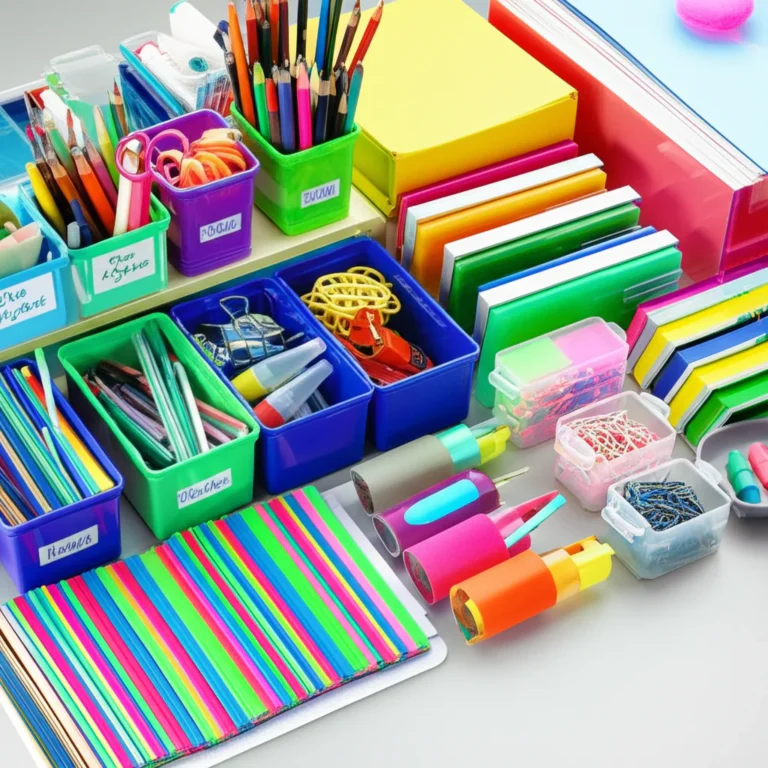
1. Heavy-Duty Plastic Storage Bins and Cubies
These are the workhorses of the classroom. Whether you need them for student supplies, center activities, or bulk storage, they are essential.
| Feature | Rating (1-10) | Notes |
|---|---|---|
| Design | 9 | Slek, stackable, and fits standard shelving. |
| Functionality | 10 | Perfect for everything from crayons to textbooks. |
| Durability | 9 | Resistant to cracks and spills. |
| Cost-Effectiveness | 10 | Long-lasting investment. |
Why we love them: They turn a messy pile of papers into a neat, labeled stack. Brands like Sterilite and IRIS USA are industry standards.
- Pro Tip: Use clear bins for items you need to see quickly, and opaque bins for things you want to hide (like that broken stapler).
👉 Shop Heavy-Duty Bins on:
- Amazon: Sterilite Storage Bins | Walmart: Sterilite Storage Bins | IRIS USA Official: IRIS Storage Solutions
2. Color-Coded Label Makers and Systems
“If it doesn’t have a label, it doesn’t have a home.” This isn’t just a catchy slogan; it’s a lifestyle.
| Feature | Rating (1-10) | Notes |
|---|---|---|
| Design | 9 | Compact and user-friendly. |
| Functionality | 10 | Instantly creates professional, durable labels. |
| Durability | 9 | Tape lasts for years without peling. |
| Ease of Use | 10 | Battery-operated and intuitive. |
Why we love them: A Brother P-touch or Dymo LabelWriter transforms your classroom from “messy” to “museum-quality” in minutes.
- The Hack: Use color-coded tape for different subjects (e.g., Blue for Math, Red for Reading). It helps visual learners instantly identify where things belong.
👉 Shop Label Makers on:
- Amazon: Brother P-touch Label Maker | Staples: Dymo Label Makers | Brother Official: Brother P-touch
3. Stackable Document Trays and Sorters
The paper avalanche is real. Without a system, your desk becomes a mountain of “to-do” and “to-grade.”
| Feature | Rating (1-10) | Notes |
|---|---|---|
| Design | 8 | Professional look, fits on most desks. |
| Functionality | 9 | Keeps papers separated by status (To Do, Done, To File). |
| Durability | 8 | Plastic versions hold up well; metal can dent. |
| Space Saving | 9 | Vertical stacking saves desk real estate. |
Why we love them: They force you to triage. You can’t ignore a stack of papers when they are neatly sorted into “Urgent,” “Later,” and “File.”
- Teacher Supply Store™ Tip: Pair these with cascading organizers for even more vertical space.
👉 Shop Document Trays on:
- Amazon: Stackable Document Trays | Office Depot: Desk Organizers
4. Clear Acrylic Desk Organizers
For the teacher who loves a minimalist aesthetic. Acrylic organizers are invisible yet effective.
| Feature | Rating (1-10) | Notes |
|---|---|---|
| Design | 10 | Slek, modern, and unobtrusive. |
| Functionality | 8 | Great for small items, less for bulk. |
| Durability | 7 | Can scratch if not handled carefully. |
| Visibility | 10 | You can see exactly what’s inside. |
Why we love them: They keep your daily essentials (pens, sticky notes, paperclips) within arm’s reach without cluttering the visual field.
👉 Shop Acrylic Organizers on:
- Amazon: Clear Acrylic Desk Organizer | Etsy: Custom Acrylic Organizers
5. Rolling Utility Carts for Mobile Teaching
Why walk to the supply closet when the supply closet can come to you? 🛒
| Feature | Rating (1-10) | Notes |
|---|---|---|
| Design | 9 | Slek, often with multiple tiers. |
| Functionality | 10 | Perfect for small group work or rotating centers. |
| Durability | 9 | Wheels lock in place for stability. |
| Mobility | 10 | Effortless movement across the room. |
Why we love them: They are the ultimate flexible storage. Use one for art supplies, another for tech, and a third for grading.
- Real Story: One of our teachers uses a rolling cart as a “Mobile Grading Station” that she parks next to her desk during lunch. Genius!
👉 Shop Rolling Carts on:
- Amazon: Rolling Utility Carts | Walmart: Rolling Carts | IKEA Official: Råskog Cart
6. Pencil and Supply Dispensers with Compartments
Stop the “Who has a sharp pencil?” chorus. 🎺
| Feature | Rating (1-10) | Notes |
|---|---|---|
| Design | 8 | Functional, often colorful. |
| Functionality | 9 | Separates sharp, dull, and erasers. |
| Durability | 8 | Plastic can crack if dropped. |
| Student Access | 10 | Easy for students to self-serve. |
Why we love them: They teach responsibility. Students learn to check the “Dull” bin before asking for a new pencil.
- The Hack: Use two bins: one labeled “Sharp” and one “Dull.” Students swap their dull pencil for a sharp one and drop the dull one in the other bin.
👉 Shop Pencil Dispensers on:
- Amazon: Pencil Dispensers | Target: Classroom Supplies
7. Hanging File Folders and Accordion Expanders
For the paperwork warrior. These are essential for managing lesson plans, IEPs, and parent communications.
| Feature | Rating (1-10) | Notes |
|---|---|---|
| Design | 7 | Functional but bulky. |
| Functionality | 10 | Keeps documents flat and organized. |
| Durability | 9 | Heavy-duty cardboard or plastic. |
| Portability | 8 | Easy to carry in a tote. |
Why we love them: They allow you to categorize by month, subject, or student. No more digging through a stack of loose papers!
👉 Shop Hanging Files on:
- Amazon: Hanging File Folders | Staples: Accordion Files
8. Magnetic Whiteboard Storage Racks
Turn your whiteboard into a command center.
| Feature | Rating (1-10) | Notes |
|---|---|---|
| Design | 9 | Slek, attaches directly to the board. |
| Functionality | 9 | Holds markers, erasers, and small notes. |
| Durability | 8 | Magnets can lose strength over time. |
| Space Saving | 10 | Fres up desk space. |
Why we love them: They keep your daily tools right where you need them. No more hunting for the eraser!
👉 Shop Magnetic Racks on:
- Amazon: Magnetic Whiteboard Racks | Etsy: Custom Whiteboard Organizers
9. Over-the-Door Shoe Organizers for Small Items
The ultimate hack for small supplies. Don’t let that door go to waste!
| Feature | Rating (1-10) | Notes |
|---|---|---|
| Design | 7 | Utilitarian, but effective. |
| Functionality | 10 | Holds dozens of small items. |
| Durability | 8 | Clear pockets are durable. |
| Cost | 10 | Incredibly affordable. |
Why we love them: Perfect for math manipulatives, craft supplies, or even student folders. It’s a vertical storage solution that costs pennies.
👉 Shop Shoe Organizers on:
- Amazon: Over the Door Shoe Organizers | Walmart: Shoe Organizers
10. Labeled Zipered Pouches for Student Kits
Give every student their own personal supply kit.
| Feature | Rating (1-10) | Notes |
|---|---|---|
| Design | 8 | Compact and portable. |
| Functionality | 9 | Keeps individual supplies together. |
| Durability | 9 | Zipered closure prevents spills. |
| Customization | 10 | Easy to label with names. |
Why we love them: Students take them home, reducing the “I forgot my pencil” excuse.
- Pro Tip: Use color-coded pouches for different groups.
👉 Shop Zipered Pouches on:
- Amazon: Zipered Pouches | Etsy: Custom Student Kits
1. Vertical Magazine Files for Lesson Plans
Keep your lesson plans upright and accessible.
| Feature | Rating (1-10) | Notes |
|---|---|---|
| Design | 8 | Professional look. |
| Functionality | 9 | Easy to flip through. |
| Durability | 8 | Sturdy cardboard or plastic. |
| Space Saving | 9 | Fits in tight spaces. |
Why we love them: They are perfect for storing weekly plans or unit guides.
👉 Shop Magazine Files on:
- Amazon: Vertical Magazine Files | Office Depot: Magazine Files
12. Cable Management Boxes for Tech Hubs
Tame the tech jungle.
| Feature | Rating (1-10) | Notes |
|---|---|---|
| Design | 9 | Hides messy cords. |
| Functionality | 10 | Protects devices and cords. |
| Durability | 9 | Sturdy plastic. |
| Safety | 10 | Reduces tripping hazards. |
Why we love them: They make your tech station look professional and safe.
👉 Shop Cable Management on:
- Amazon: Cable Management Boxes | Best Buy: Cable Organizers
13. Dry-Erase Board Mats and Tray Systems
Reusable worksheets are the future.
| Feature | Rating (1-10) | Notes |
|---|---|---|
| Design | 8 | Simple and effective. |
| Functionality | 10 | Reduces paper waste. |
| Durability | 9 | Lasts for years. |
| Cost Saving | 10 | Saves money on paper. |
Why we love them: Students can write, erase, and reuse. It’s eco-friendly and budget-friendly!
👉 Shop Dry-Erase Mats on:
- Amazon: Dry Erase Mats | Etsy: Custom Dry Erase Mats
14. Modular Shelving Units for Flexible Spaces
Create a custom storage solution that fits your room.
| Feature | Rating (1-10) | Notes |
|---|---|---|
| Design | 9 | Versatile and modern. |
| Functionality | 10 | Adapts to changing needs. |
| Durability | 9 | Sturdy construction. |
| Assembly | 7 | Can be time-consuming. |
Why we love them: You can rearrange them as your classroom needs change.
👉 Shop Modular Shelving on:
- Amazon: Modular Shelving Units | IKEA Official: Kallax Shelving
15. Digital Asset Management Tools for Virtual Organization
Don’t forget the digital desk!
| Feature | Rating (1-10) | Notes |
|---|---|---|
| Design | 9 | Intuitive interfaces. |
| Functionality | 10 | Organizes files, photos, and plans. |
| Durability | 10 | Cloud-based, no physical wear. |
| Accessibility | 10 | Access from anywhere. |
Why we love them: Tools like Google Drive, Trello, and Notion keep your digital life in order.
- Pro Tip: Use Google Classroom for assignment management and Trello for task tracking.
👉 Shop Digital Tools on:
- Google: Google Workspace | Trello: Trello | Notion: Notion
🛠️ DIY Hacks vs. Store-Bought Solutions: What Actually Works?
We’ve all been there: You see a Pinterest hack for a “DIY Supply Station” made from a shoebox and duct tape, and you think, “I can do that!” 🛠️ But then you realize you have 30 students, and the shoebox collapses on day three.
The Verdict:
- DIY is great for: One-off projects, temporary solutions, or when you have a specific, unique need.
- Store-Bought is better for: Durability, consistency, and time-saving.
As the video summary mentioned, the wireless doorbell is a “voice saver,” and the teacher toolbox is a “10 out of 10” recommendation. Sometimes, you just need to invest in quality tools that will last.
The Single Sock Hack:
One of the most famous DIY hacks is the single sock eraser. You put a dry-erase marker inside a single sock, and students wear it on their non-dominant hand to use as an eraser. It’s cute, but does it work?
- Pros: Cheap, fun, reduces lost erasers.
- Cons: Can be distracting, socks get dirty, markers can leak.
- Our Take: It’s a great temporary fix or for a specific activity, but for daily use, a magnetic eraser or a whiteboard eraser is more reliable.
The “No Name” Area:
Another hack is creating a “No Name” area for anonymous papers.
- Pros: Encourages student responsibility.
- Cons: Can lead to confusion if not managed well.
- Our Take: Combine this with a “No Name Detective” job to make it a learning opportunity.
🎨 Color Coding 101: How to Use Visual Cues to Tame the Tangle
Color coding isn’t just pretty; it’s psychological. It helps students (and you) process information faster.
How to Implement:
- Assign Colors to Subjects: Blue for Math, Green for Science, Red for Reading.
- Use Color-Coded Bins: Store all Math supplies in blue bins, Science in green.
- Label with Color: Use colored tape or labels to match the subject.
The Science:
Research shows that color coding reduces cognitive load by helping the brain categorize information instantly. It’s like giving your brain a shortcut! 🚀
Pro Tip: Don’t overdo it. Too many colors can be overwhelming. Stick to a consistent palette of 4-5 colors.
👩 🏫 Student-Centered Systems: Teaching Kids to Organize Themselves
The goal of organization isn’t just to make your life easier; it’s to teach students how to manage their own space.
Strategies:
- Classroom Jobs: Assign jobs like “Supply Monitor,” “Paper Passer,” and “Clean-Up Crew.”
- Student-Centered Work Bins: Give students their own bins for supplies. They are responsible for keeping them tidy.
- Visual Cues: Use pictures and labels so even the youngest students can find their way.
The “No Name Detective” Job:
As mentioned in the Seds for Teachers summary, assign a student to be the “No Name Detective” to identify owners of anonymous papers. It’s a fun way to build responsibility!
Why it works:
When students feel ownership of their space, they are more likely to respect it. It also frees up your time to focus on teaching!
📄 Taming the Paper Avalanche: Strategies for Handouts and Grading
The paper avalanche is the nemesis of every teacher. Here’s how to stop it in its tracks.
The System:
- Monthly Binders: File a copy of every handout in a binder labeled by month. Use page protectors to prevent damage.
- Binder Clip Labels: Use printable fold-back binder clip labels to categorize papers on your desk.
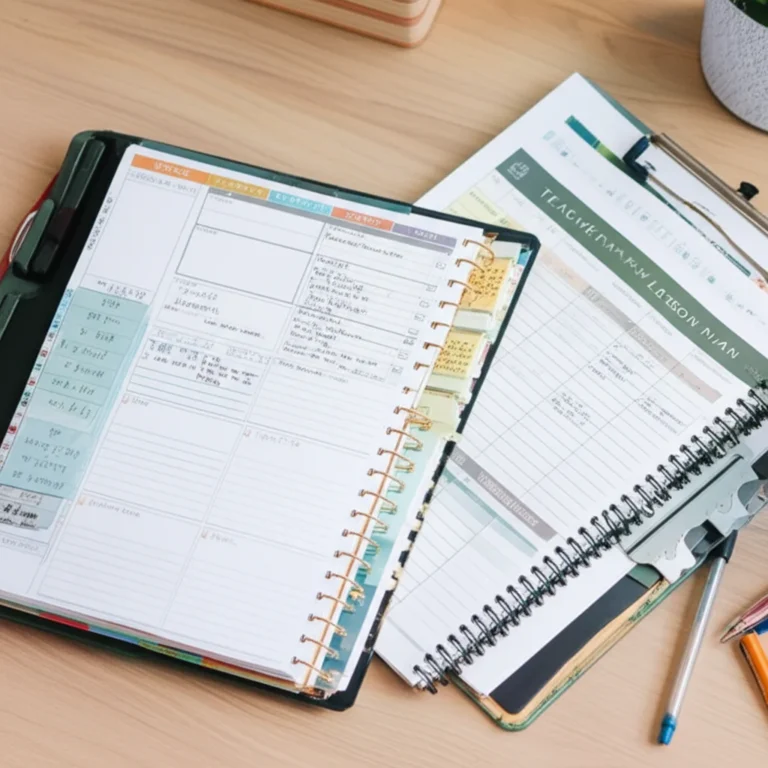
- Digital Planning: Switch to a Digital Teacher Planner (like Google Sheets) to reduce paper clutter.
The “To Do” Tray:
Use a stackable tray system with three sections:
- To Do: Papers that need grading or action.
- In Progress: Papers you are currently working on.
- Done: Papers that are graded and ready to return.
Pro Tip: Don’t let papers pile up! Use the 5-Minute Rule to tackle small tasks immediately.
💻 The Digital Desk: Organizing Your Virtual Classroom and Files
In today’s world, your digital desk is just as important as your physical one.
Tools:
- Google Classroom: For assignment management and feedback.
- Trello: For task management and project tracking.
- ClassDojo: For student behavior tracking and communication.
- Password Managers: Tools like LastPass or 1Password for secure digital access.
The System:
- Folder Structure: Create a clear folder structure (e.g., Year > Month > Subject).
- Naming Conventions: Use consistent naming conventions (e.g., “2024-09-Math-Worksheet1”).
- Backup: Always have a cloud backup of your important files.
Why it matters:
A disorganized digital desk can lead to lost lesson plans and missed deadlines. Keep it tidy!
🚪 Closet and Corner Optimization: Maximizing Every Square Inch
Your closet and corners are hidden gems waiting to be discovered.
Strategies:
- Over-the-Door Organizers: Use them for small supplies, not just shoes.
- Vertical Storage: Use hangers and clothespins to display laminated resources.
- Modular Shelving: Use modular units to fit your specific space.
The “Closet Makeover”:
- Purge: Remove broken, outdated, or unnecessary items.
- Categorize: Group similar items together.
- Label: Clearly identify contents.
- Optimize: Use vertical space and clear bins.
Pro Tip: Don’t forget the back of the door! It’s prime real estate for hanging supplies.
🔄 Seasonal Swaps: Preparing Your Storage for Back-to-School and Beyond
Your classroom needs change with the seasons. A system that works in September might not work in May.
The Swap:
- End of Year: Purge old supplies, organize lesson plans for next year, and label everything.
- Summer: Plan your new layout, order new supplies, and set up your systems.
- Start of Year: Implement your new systems and teach students how to use them.
Pro Tip: Keep a “Next Year” bin with your best lesson plans and resources. It will save you time next year!
🛒 Top Brand Recommendations: Where to Buy the Best Teacher Organizers
We’ve tested hundreds of products, and these are the standouts:
- Sterilite: For durable, stackable bins.
- IRIS USA: For project cases and storage solutions.
- Brother: For label makers.
- Dymo: For label makers.
- IKEA: For modular shelving.
- Target: For affordable, stylish organizers.
Where to Buy:
- Amazon: Search for Teacher Organizers
- Walmart: Search for Teacher Organizers
- Target: Search for Teacher Organizers
- Staples: Search for Teacher Organizers
❓ Frequently Asked Questions About Classroom Organization
How can teachers create a clutter-free learning environment?
Creating a clutter-free environment starts with purging old items, categorizing supplies, and labeling everything. Use the 5-Minute Rule to tackle small tasks immediately. Also, involve students in the process by assigning classroom jobs and teaching them how to organize their own spaces.
What are top-rated classroom filing systems for teachers?
Top-rated systems include hanging file folders, accordion expanders, and monthly binders. For digital files, Google Drive and Trello are excellent choices. The key is to have a system that is easy to maintain and accessible for both you and your students.
How do magnetic organizers benefit classroom management?
Magnetic organizers, like whiteboard racks and hooks, keep supplies within reach and off the desk. This reduces clutter and makes it easier for students to access what they need without interrupting the lesson. They also maximize vertical space, which is crucial in small classrooms.
Which labeling tools help keep classrooms organized?
Label makers like the Brother P-touch and Dymo LabelWriter are essential. They create professional, durable labels that last. Color-coded tape and printable labels are also great for visual learners.
What are essential desk organizers for teachers?
Essential desk organizers include stackable document trays, clear acrylic organizers, and rolling utility carts. These tools help keep your desk tidy and your supplies organized.
How can teachers organize student materials efficiently?
Use student-centered work bins, labeled zipered pouches, and color-coded systems. Assign classroom jobs to help students maintain their own spaces. Also, implement a turn-in tub system for assignments.
What are the best storage solutions for classroom supplies?
Heavy-duty plastic bins, modular shelving units, and over-the-door organizers are excellent solutions. They are durable, stackable, and maximize space.
What are the top organizational tools and apps that teachers can use to streamline their workflow and reduce stress?
Top tools include Google Classroom, Trello, ClassDojo, and Notion. These apps help manage assignments, track tasks, and communicate with students and parents.
What are some creative ways to use labels and signage in the classroom to promote organization and visual learning?
Use color-coded labels, picture labels for younger students, and signage to indicate where items belong. You can also use labels to teach vocabulary and concepts.
How can I create a functional and organized classroom library that encourages students to read?
Organize books by genre, reading level, or author. Use clear bins and labels to make it easy for students to find books. Create a cozy reading nok with comfortable seating and good lighting.
What are the benefits of using a lesson plan binder or planner to keep track of assignments and due dates?
A lesson plan binder or planner helps you stay organized, track assignments, and plan ahead. It also serves as a record of your teaching for future reference.
What are some essential supplies for a teacher to have in their classroom to stay organized?
Essential supplies include label makers, storage bins, document trays, rolling carts, and magnetic organizers. These tools help keep your classroom tidy and your workflow efficient.
How can I use storage bins and baskets to keep my classroom tidy and clutter-free?
Use clear bins for visibility, labeled bins for organization, and stackable bins for space-saving. Assign a home for every item and teach students to return items to their designated spots.
What are the best ways to organize a teacher’s desk and workspace to maximize productivity?
Use stackable trays for papers, acrylic organizers for small items, and rolling carts for mobile storage. Keep your desk clutter-free by using the 5-Minute Rule and purging unnecessary items.
Conclusion

So, there you have it! From the heavy-duty bins to the digital asset management tools, we’ve covered every angle of classroom organization. Remember, the goal isn’t perfection; it’s progress. Start small, implement one system at a time, and watch your classroom transform into a sanctuary of learning.
Our Top Recommendation:
If you could only choose one tool, we’d say go with a label maker. It’s the foundation of any organized classroom. Without labels, nothing has a home, and chaos reigns supreme!
Final Thought:
As we mentioned earlier, a tidy room equals a calm mind. So, take a deep breath, grab your label maker, and let’s get organized! 🎉
Recommended Links
👉 Shop Top Brands:
- Sterilite Storage Bins: Amazon | Walmart
- Brother P-touch Label Maker: Amazon | Brother Official
- IRIS Project Cases: Amazon | IRIS USA Official
- Rolling Utility Carts: Amazon | IKEA Official
Recommended Books:
- The Organized Teacher by Steve Springer & Brandy Alexander: Amazon
- The Classroom Management Book by Harry K. Wong: Amazon
Reference Links
- UCLA Research on Clutter: University of California, Los Angeles
- Teach Starter Blog: Classroom Organization Ideas for Teachers
- Seds for Teachers: Top 7 Tools You Need To Organize Your Classroom
- Teacher Supply Store™: Classroom Supplies | Educational Toys | Early Childhood Education Supplies
- Brother Official Website: P-touch Label Makers
- Dymo Official Website: Label Makers
- IRIS USA Official Website: Storage Solutions
- Google Workspace: Google Classroom
- Trello: Task Management
- Notion: Productivity Tool