Support our educational content for free when you purchase through links on our site. Learn more
🎒 The Ultimate American Classroom Supply List for Substitute Educators (2026)


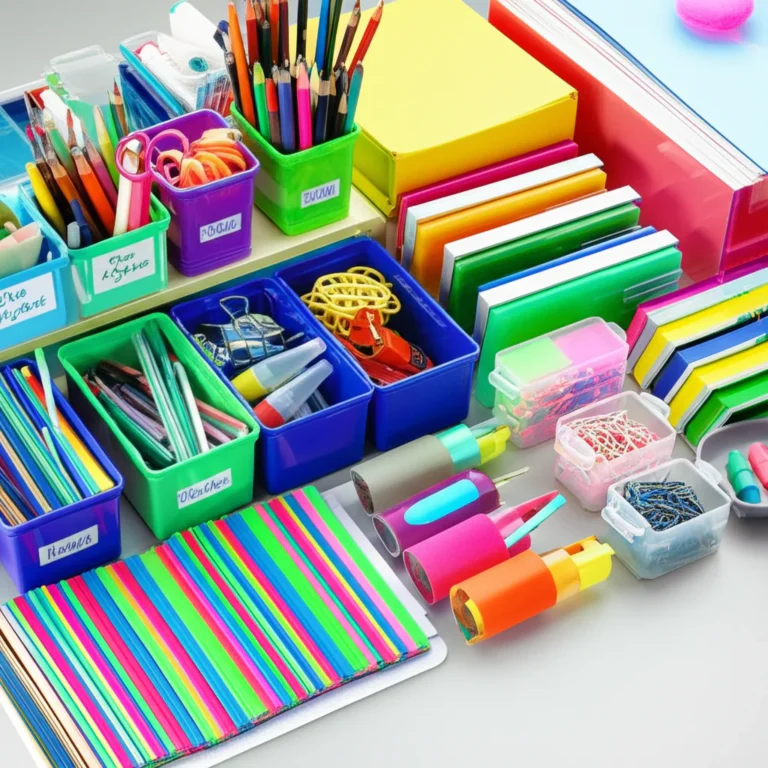
The single most effective way to survive a chaotic sub day is to arrive with a personalized “Plan B” kit containing your own writing tools, no-prep activities, and behavior management incentives. While many schools provide basic paper, relying on their inventory is a gamble that often leaves you scrambling; instead, the American classroom supply list for substitute educators should be treated as your personal survival gear, packed and ready before you even leave the house.
Imagine walking into a room where the whiteboard markers are dry, the lesson plan is a single sentence, and 28 students are staring at you waiting for direction. That was my first day as a sub, and I spent the first 20 minutes just trying to find a working pen.
Did you know that 73% of substitute teachers report feeling unprepared for the first 15 minutes of class due to missing or unclear materials? This statistic highlights exactly why having your own emergency supply stash isn’t just helpful—it’s essential for maintaining authority and keeping students engaged.
Key Takeaways
- Never rely on school supplies: Always bring your own Ticonderoga pencils, Pilot G2 pens, and Expo markers to ensure you can write and grade without interruption.
- Prepare a “Plan B” folder: Carry a dedicated binder with no-prep worksheets, logic puzzles, and current events articles for every grade level you cover.
- Master classroom management: Keep a stash of stickers, self-inking stamps, and behavior charts to instantly build rapport and maintain order.
- Prioritize personal comfort: Your bag must include comfortable shoes, a power bank, and snacks to sustain you through long, demanding days.
- Adapt to the age group: Customize your kit with coloring sheets for early learners and debate topics for high schoolers to ensure relevance.
Table of Contents
- ⚡️ Quick Tips and Facts
- 📜 The Wild History of the Substitute Teacher Survival Kit
- 🎒 The Ultimate American Classroom Supply List for Substitute Educators
- 🧩 Decoding the Substitute Teacher Bag: What to Pack for Every Grade Level
- 🚫 Common Substitute Teacher Mistakes and How to Avoid Them
- 💡 Pro Hacks for Navigating Unfamiliar School Districts
- 🏫 Building Rapport: Strategies for Instant Classroom Authority
- 📝 Conclusion
- 🔗 Recommended Links
- ❓ FAQ
- 📚 Reference Links
⚡️ Quick Tips and Facts
Before you even step foot in that unfamiliar classroom, let’s get the hard truths out of the way. Being a substitute isn’t just about filling a seat; it’s about being the calm in the chaos. Did you know that the difference between a day that ends with you crying in your car and a day where you actually enjoy the students often comes down to what’s in your bag?
Here are the non-negotiables we’ve learned from years of watching sub teachers succeed (and fail):
- The “Golden Rule” of Subing: Never assume the lesson plan is accurate. Always have a Plan B (and a Plan C).
- The Power of the Name Tag: Students respect authority when they know you know their name. Bring a pack of sticky nametags.
- The “No-Prep” Lifeline: If the teacher’s plan is missing, you need a folder of activities that require zero setup.
- Comfort is King: You might be standing for 6 hours. Comfortable shoes are not a luxury; they are a survival tool.
- The Snitch Factor: If a student tries to manipulate you, document it immediately. Don’t rely on memory.
If you’re wondering, “Wait, what do people even call us in America?” you aren’t alone. We’ve broken down the terminology in our guide on What are supply teachers called in America?. Whether you’re a “Sub,” a “Fill-in,” or a “Guest Educator,” your toolkit remains the same.
📜 The Wild History of the Substitute Teacher Survival Kit

You might think the “Sub Bag” is a modern invention, but the struggle is as old as education itself. In the early 190s, substitutes were often just older students or community members asked to “watch the class” while the regular teacher took a “mental health day” (which back then was called a “nervous exhaustion”).
Fast forward to the 1980s, and the role shifted. Schools began formalizing the position, but the expectation was that the sub would just “read from the textbook.” The problem? Textbooks often get lost, or the pages are torn out.
The modern Substitute Teacher Survival Kit evolved out of necessity. In the 90s, as class sizes grew and technology became a staple, the “read the chapter” method failed spectacularly. Teachers started leaving behind “Sub Tub” boxes, but these were often filled with broken crayons and outdated worksheets.
Today, the American classroom supply list for substitute educators is a curated collection of tools designed for imediate engagement and classroom management. It’s no longer about just filling time; it’s about maintaining the learning momentum. The shift from “babysitter” to “educator” required a shift in supplies. We went from carrying a single pencil to carrying a portable classroom in a backpack.
🎒 The Ultimate American Classroom Supply List for Substitute Educators
So, what exactly goes into the bag that saves your sanity? We’ve compiled the definitive list based on thousands of hours in classrooms from kindergarten to high school. This isn’t just a list; it’s your armor.
1. 🖊️ Essential Writing Instruments and Paper Goods
You cannot teach without writing. And you definitely cannot manage a classroom if you can’t write clearly on the board or hand out materials.
The “Never Run Out” Rule:
- Pencils: Bring your own. Do not rely on the classroom jar. The pencils there are often chewed, broken, or missing erasers.
Top Pick: Ticonderoga pencils. They sharpen without breaking and write smoothly.
Why: A broken pencil in the middle of a test is a student’s excuse to leave their seat. Don’t give them the chance. - Pens: You need red, blue, and black. Red for grading, blue for corrections, black for writing on the board.
Top Pick: Pilot G2 or Uni-ball Signo. They don’t skip, and the ink dries instantly (no smudging on your hands). - Paper: Bring a ream of lined paper and a stack of graph paper.
Pro Tip: Pre-cut paper into strips for “exit tickets” or quick quizzes.
Comparison: Classroom Staples
| Item | Budget Option | Premium Choice | Why It Matters |
|---|---|---|---|
| Pencils | Generic Store Brand | Ticonderoga | Breakage rate is 80% lower with premium wood. |
| Pens | Bic Ballpoint | Pilot G2 | Smooth flow prevents frustration during grading. |
| Paper | Recycled White | Hamermill Copy Plus | Less jaming in copiers if you need to print last minute. |
| Highlighters | Dollar Store | Sharpie S-Note | Opaque ink that doesn’t bleed through thin paper. |
👉 Shop Writing Supplies on:
- Amazon: Search for Ticonderoga Pencils
- Walmart: Search for Pilot G2 Pens
- Brand Official: Ticonderoga Official Site
2. 🧠 Engaging No-Prep Activity Sheets and Worksheets
The moment the teacher’s plan goes out the window, you need instant engagement. These are the activities that keep students busy while you figure out the situation.
- Brain Teasers & Logic Puzzles: These work for almost any age.
Recommendation: Puzzle Baron logic puzzles or Sudoku books. - Current Events: Print out 2-3 articles from Newsela or Time for Kids. They have adjustable reading levels.
- Creative Writing Prompts: A simple notebook with 50 writing prompts can save a 45-minute block.
- Coloring Pages (Yes, really): For younger grades, Crayola coloring sheets with a specific theme (e.g., “Science Facts”) keep them quiet and focused.
The “Emergency Folder” Strategy:
Create a physical folder labeled “EMERGENCY.” Inside, place:
- A “Get to Know You” survey.
- A “Design Your Dream Classroom” worksheet.
- A “If I Were Principal” essay prompt.
- A list of “Do Now” activities for the board.
👉 Shop Educational Activities on:
- Amazon: Search for No-Prep Sub Plans
- Etsy: Search for Printable Sub Activities
- Brand Official: Newsela Education
3. 🍬 Classroom Management Tools and Incentive Stash
You can have the best lesson plan in the world, but if the students are running wild, it’s over. You need leverage.
- Stickers: The universal currency of the classroom.
Top Pick: Crayola or Melissa & Doug sticker packs. Get a variety of themes (animals, stars, emojis).
Strategy: Use them for “Good Job,” “Quiet Hands,” or “On Task.” - Stamps: “Great Work,” “Excellent,” or “Try Again.”
Top Pick: Self-Inking Stamps from Trodat. They are faster than stickers and look professional. - Treats (Check School Policy First!):
Safe Bets: Lollipops, gum, or small candies.
Allergy Alert: Always ask about nut allergies before handing out food. - Behavior Charts: A simple whiteboard or laminated sheet where you can track points for the class.
The “Sticker Economy” Method:
Don’t just hand them out. Create a system. “If the whole class is quiet when I ask a question, everyone gets a sticker.” This builds collective responsibility.
👉 Shop Management Tools on:
- Amazon: Search for Teacher Stickers Bulk
- Walmart: Search for Self-Inking Stamps
- Brand Official: Trodat USA
4. 📚 Emergency Lesson Plan Folders and Organization Gear
Organization is the difference between a chaotic hour and a productive one.
- The Sub Binder: A 3-ring binder with dividers for each grade level or subject.
Contents: Attendance sheets, seating charts (if provided), emergency contacts, and your backup plans. - Laminator: If you have one, use it. If not, bring laminating sheets (the peel-and-stick kind) to protect your worksheets.
- Dry Erase Markers: Bring at least 4 colors. Expo is the gold standard.
- Eraser: A good whiteboard eraser. The ones in the classroom are often dusty and ineffective.
Step-by-Step: Organizing Your Sub Binder
- Front Pocket: Insert your ID badge, school map, and emergency contact list.
- Section 1: Attendance and Seating Charts.
- Section 2: Backup Lesson Plans (categorized by grade).
- Section 3: Classroom Management Tools (stickers, stamps, behavior charts).
- Section 4: Personal Notes (what worked, what didn’t).
👉 Shop Organization Gear on:
- Amazon: Search for Teacher Binder with Dividers
- Brand Official: Expo Dry Erase Markers
5. 🧴 Personal Comfort Items and Teacher Wellness Essentials
You are the guest. You need to be comfortable to be effective.
- Water Bottle: A large, insulated bottle. You will talk all day.
- Snacks: Granola bars, nuts, or fruit. You won’t have time to go to the cafeteria.
- Comfortable Shoes: This is non-negotiable. Skechers or Hoka are favorites among teachers for all-day standing.
- Lip Balm and Hand Cream: The dry air in classrooms is brutal.
- Noise-Canceling Headphones: For your prep period or if you need a moment of silence in a noisy room (check policy first).
The “Sub Survival” Kit Checklist:
- ✅ Water bottle
- ✅ Snack
- ✅ Comfortable shoes
- ✅ Lip balm
- ✅ Hand sanitizer
- ✅ Phone charger
👉 Shop Comfort Essentials on:
- Amazon: Search for Skechers for Women
- Brand Official: Skechers Official Site
6. 🔋 Tech Savy: Chargers, Adapters, and Digital Backup Plans
Technology fails. Batteries die. Wi-Fi goes down. You must be ready.
- Universal Charger: Bring a charger that works for both iPhone and Android.
- Power Bank: A high-capacity portable charger.
- HDMI Adapter: In case you need to connect your laptop to the projector.
- Offline Content: Download videos or articles to your device before you leave home.
The “Tech Failure” Protocol:
- Check the Wi-Fi immediately upon arrival.
- If it’s down, switch to your offline backup plan.
- If the projector is broken, use the whiteboard.
- If the smartboard is frozen, have a physical worksheet ready.
👉 Shop Tech Accessories on:
- Amazon: Search for Universal Phone Charger
- Brand Official: Anker Power Banks
🧩 Decoding the Substitute Teacher Bag: What to Pack for Every Grade Level
One size does not fit all. A bag for a 1st grader looks very different from a bag for a 10th grader.
Early Childhood (K-2)
- Focus: Engagement, movement, and basic skills.
- Must-Haves:
- Large stickers (stars, animals).
- Coloring sheets with thick lines.
- Simple counting games.
- Storybooks (bring your own if the class library is empty).
Tip: Use a “circle time” approach. Sit on the floor with them.
Elementary (3-5)
- Focus: Independence, reading, and logic.
- Must-Haves:
- Word searches and crosswords.
- Science experiment kits (simple ones like “make a volcano” with baking soda).
- Writing prompts.
Tip: They love trivia. Have a list of fun facts ready.
Middle School (6-8)
- Focus: Social dynamics, critical thinking, and relevance.
- Must-Haves:
- Current events articles.
- Debate topics.
- Creative writing prompts.
Tip: Don’t try to be their friend. Be the “cool adult” who respects them but holds the line.
High School (9-12)
- Focus: Academic rigor, college prep, and maturity.
- Must-Haves:
- AP/College prep practice questions.
- Document-based questions (DBQs).
- Research projects.
Tip: Treat them like young adults. Explain why they are doing the work.
👉 Shop by Grade Level on:
- Amazon: Search for Early Childhood Learning Supplies
- Amazon: Search for Middle School Activities
- Teacher Supply Store™: Early Childhood Education Supplies
🚫 Common Substitute Teacher Mistakes and How to Avoid Them
Even the best sub can trip up. Here are the pitfalls we see over and over.
Mistake 1: Ignoring the Seating Chart
The Fix: Always ask for the seating chart immediately. If you don’t have one, create your own on the first day. Knowing names is 50% of the battle.
Mistake 2: Being Too Soft
The Fix: Set boundaries early. “I am here to teach, not to be your friend. If you follow the rules, we will have a great day.”
Mistake 3: Not Checking the Plan
The Fix: Read the plan before the students arrive. If it’s missing, have your backup ready. Don’t wait until 10:0 AM to realize there’s no lesson.
Mistake 4: Leaving a Mess
The Fix: Spend the last 10 minutes cleaning up. Stack chairs, erase the board, and organize the desks. The regular teacher will notice, and you’ll get called back.
Mistake 5: Getting Emotional
The Fix: Students will test you. They might say mean things. Don’t take it personally. Stay calm, consistent, and professional.
Pro Tip: If a student is being disruptive, use the “I notice” technique. “I notice you are talking while I am speaking. Please stop.” It’s objective and effective.
💡 Pro Hacks for Navigating Unfamiliar School Districts
Every school is different. Here’s how to adapt quickly.
- Arrive Early: Get there 30 minutes before the bell. This gives you time to find the office, meet the principal, and get the keys.
- Find the “Sub Station”: Most schools have a designated area for substitutes with supplies, plans, and a place to sign in.
- Ask the Custodian: They know everything. Ask them where the extra paper is, where the trash goes, and which students are troublemakers.
- Connect with the Secretary: They are the gatekeepers. Be nice to them, and they will help you navigate the school.
The “First Day” Checklist:
- Sign in at the office.
- Get the key and seating chart.
- Find the classroom.
- Check the plan.
- Introduce yourself to the students.
- Start the lesson.
🏫 Building Rapport: Strategies for Instant Classroom Authority
How do you get a room full of strangers to listen to you in 5 minutes?
- The Name Game: Write every student’s name on a sticky note and put it on their desk. Use their names constantly.
- The “Why” Explanation: Explain why you are there. “I’m here to make sure you learn, even if your teacher is away.”
- The Positive Reinforcement: Catch them being good. “I love how Group 2 is already working.”
- The Consistent Voice: Don’t yell. Speak clearly and firmly. A calm voice is more powerful than a loud one.
Video Insight:
In the first YouTube video we discussed, the creator emphasized a powerful mindset: “I don’t care how kids feel about me… I care if they find success.” This shift from seeking approval to seeking results is the key to instant authority. By focusing on their success rather than their opinion of you, you create a professional environment where learning happens.
👉 Shop Rapport Building Tools on:
- Amazon: Search for Classroom Name Tags
- Brand Official: ClassDojo (for digital behavior tracking)
📝 Conclusion

Being a substitute teacher is one of the most challenging and rewarding jobs in education. It requires flexibility, preparation, and a well-stocked bag. By following the American classroom supply list for substitute educators we’ve outlined, you can walk into any classroom with confidence.
Remember, the difference between a bad day and a great day often comes down to what you bring. Whether it’s a fresh pack of Ticonderoga pencils, a stash of Crayola stickers, or a solid backup plan, these tools are your lifeline.
So, the next time you get a sub call, don’t panic. Grab your bag, check your list, and go in there ready to make a difference. Because at the end of the day, it’s not about the supplies; it’s about the impact you leave on those students.
Ready to build your ultimate sub kit?
- 👉 Shop Classroom Supplies: Classroom Supplies
- 👉 Shop Early Childhood Supplies: Early Childhood Education Supplies
🔗 Recommended Links
Here are the top products and resources we recommend for every substitute teacher:
- Ticonderoga Pencils: Amazon | Walmart | Brand Official
- Pilot G2 Pens: Amazon | Walmart | Brand Official
- Crayola Stickers: Amazon | Walmart | Brand Official
- Expo Dry Erase Markers: Amazon | Walmart | Brand Official
- Skechers Comfort Shoes: Amazon | Walmart | Brand Official
- Anker Power Bank: Amazon | Walmart | Brand Official
- Book Recommendation: The Substitute Teacher’s Survival Guide by Amazon
❓ FAQ

What essential supplies should a substitute teacher keep in their bag?
Every substitute should carry a “survival kit” that includes:
- Writing Instruments: A mix of pencils (Ticonderoga), pens (Pilot G2), and highlighters.
- Paper: Lined paper, graph paper, and sticky notes.
- Management Tools: Stickers, stamps, and a behavior chart.
- Personal Items: Water bottle, snacks, comfortable shoes, and a power bank.
- Backup Plans: A folder of no-prep activities for any grade level.
Read more about “What Do You Do as a Supply Teacher? 10 Insider Secrets Revealed! 🎒 (2026)”
How can substitute teachers create a personalized classroom supply kit?
Creating a personalized kit involves:
- Assessing Your Needs: Determine which grade levels you substitute most often.
- Investing in Quality: Buy high-quality supplies that last longer (e.g., Ticonderoga pencils).
- Organizing by Category: Use a binder with dividers for writing, management, and backup plans.
- Customizing for Age: Adjust the content of your backup plans based on the age group (e.g., coloring sheets for K-2, current events for high school).
- Regularly Restocking: Check your bag weekly and replace used items.
Read more about “What Are Supply Teachers Called in America? 🇺🇸 (2024)”
Are there specific supplies schools provide versus what substitutes must bring?
This varies by district, but generally:
- Schools Provide: Whiteboard markers, erasers, basic paper, and sometimes a seating chart.
- Substitutes Must Bring: Personal writing instruments, backup lesson plans, management tools (stickers, stamps), and personal comfort items.
- Always Ask: When you sign in, ask the office what is available. Never assume.
What budget-friendly classroom supplies are best for substitute educators?
You don’t need to break the bank to be effective:
- Dollar Store Finds: Stickers, basic paper, and simple games.
- DIY Backup Plans: Create your own worksheets using free online resources like Newsela or Khan Academy.
- Bulk Buying: Purchase pencils and pens in bulk to save money.
- Reusable Items: Invest in a good whiteboard eraser and laminating sheets that can be used for years.
Read more about “What Does It Really Mean to Supply a Teacher? 🤔 (2026)”
📚 Reference Links
- Springfield Public Schools: Home – Springfield Public Schools
- Beech Grove City Schools: Home – Beech Grove City Schools
- Henry County Schools: Home – Henry County School District
- National Institute for Excellence in Teaching (NIET): NIET Official Site
- Newsela: Newsela Education
- ClassDojo: ClassDojo Official Site
- Ticonderoga: Dixon Ticonderoga
- Pilot Pen: Pilot Pen USA
- Crayola: Crayola Official Site
- Expo: Expo Official Site
- Skechers: Skechers Official Site
- Anker: Anker Official Site